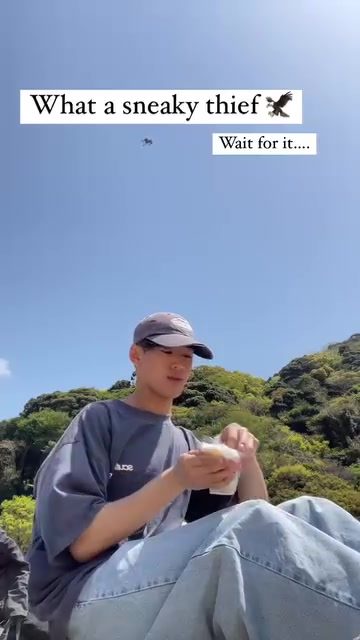
Bird Strikes in the Backcountry
Bird strikes, especially those involving opportunistic birds stealing food, are a common experience for backpackers and outdoor enthusiasts. These incidents, while humorous, highlight the importance of understanding wildlife behavior and taking necessary precautions in natural environments. Having a good understanding of bird behavior can prevent losing your food and potentially turning a delightful journey into a moment of panic.
Why This Matters
Wildlife encounters, whether anticipated or not, are an inevitable part of outdoor adventures. Knowing how to interact with wildlife safely and respectfully is crucial for both the safety of the adventurer and the well-being of the wildlife.
Bird Behavior in the Outdoors
Common Offenders
Birds that are likely to steal food from backpackers and hikers are often those that are accustomed to human interaction. These birds include:
- Crows and Ravens: Known for their intelligence and adaptability, these birds are frequent culprits in food theft.
- Seagulls: Common in coastal areas, seagulls are notorious for their aggressive behavior when it comes to food.
- Jays and Magpies: These birds are intelligent and often bold, making them likely to steal food.
The Psychology Behind Bird Theft
Birds are opportunistic feeders, meaning they take advantage of easy food sources. When they see an opportunity to snatch food from a human, they act quickly. This behavior is often driven by:
- Survival Instincts: Birds are always on the lookout for easy meals to conserve energy for other activities.
- Adaptability: Many bird species have adapted to human environments, making them more comfortable around people and more likely to take advantage of human food sources.
Practical Tips for Preventing Bird Theft
Food Storage
Proper food storage is the first line of defense against bird theft. Here are some tips:
- Use Bear-Canisters: These are designed to keep food secure from not only bears but also smaller animals and birds.
- Hang Food: If you don't have a bear canister, hang your food from a tree, ensuring it's at least 10 feet off the ground and 4 feet away from the tree trunk.
Eating Habits
- Eat Quickly: Avoid lingering while eating. Enjoy your meal, but do it swiftly to minimize the chances of attracting birds.
- Keep Food Covered: When not eating, keep your food covered and stored. This reduces the smell and visibility of your food, making it less attractive to birds.
Campsite Management
Choose your campsite wisely. Avoid areas that are known for high bird activity or that are close to bodies of water where birds frequently gather. Keep your campsite clean: Birds are less likely to visit if there are no food scraps or smells to attract them.
How to React When a Bird Strikes
If a bird does manage to steal your food, it's important to stay calm and avoid panicking. Here are some steps you can take:
- Stay Calm: Birds are more likely to be aggressive if they sense fear or panic.
- Assess the Situation: Determine if the bird is still nearby and if it's a threat. Most birds will fly away after stealing food, but some may stick around.
- Move Slowly: If the bird is still around, move slowly and avoid making sudden movements that could startle the bird or make it feel threatened.
When to Call For Help
- If the Bird is Aggressive: If the bird shows signs of aggression or persistent behavior, it's best to call for help. Most wildlife agencies have protocols for dealing with aggressive wildlife.
- If You are Injured: If the bird causes any injury, seek medical attention immediately and report the incident to local wildlife authorities.
Important Takeaways
Bird theft is a common occurrence in the outdoors, and it's important to be prepared. Understanding bird behavior, proper food storage, and careful campsite management can go a long way in preventing such incidents. The key is to stay calm and informed, ensuring your outdoor adventure remains enjoyable and safe.
Stay Prepared
Always carry a basic first aid kit and know the local emergency contacts. This can make a significant difference in case of any wildlife-related incidents.
Respect Wildlife
Respecting wildlife is essential. Avoid feeding birds or other animals, as this can lead to habituation and dependency, making them more likely to interact with humans in negative ways.
Conclusion
Bird theft in the outdoors is a humorous yet important reminder of the unpredictable nature of wildlife. By understanding bird behavior, taking necessary precautions, and staying calm, you can ensure your outdoor adventures remain enjoyable and safe. Whether you're backpacking, hiking, or simply enjoying a picnic, being aware and prepared makes all the difference.
Watch the Reel
Questions readers ask
What types of birds are most likely to snatch food from backpackers?
Opportunistic birds are the most likely culprits. These include birds like crows, ravens, and jays, which are known for their intelligence and bold behavior. Birds of prey, such as hawks or eagles, are less likely to steal food but can be encountered in the backcountry.
How can backpackers protect their snacks from birds?
To safeguard your snacks, use airtight containers or pack food in sealed bags. Hang food from a tree branch using a bear bag or bear canister, keeping it out of reach. Additionally, avoid leaving food unattended and clean up any crumbs or food scraps promptly.
What should I do if a bird tries to steal my food while I'm eating?
If a bird attempts to snatch your food, stay calm and try to wave your arms or make noise to scare it off. Never chase the bird, as this can agitate it and cause unwanted encounters. If the bird is persistent, consider moving to a different location to finish your meal.
Are there any specific bird behaviors to watch out for in the backcountry?
Pay attention to birds that exhibit bold behavior, such as approaching your campsite or circling overhead. These actions may indicate that the bird is assessing your food sources. Being aware of these behaviors can help you anticipate and prevent potential food theft.
How can I safely store food to avoid attracting birds and other wildlife?
Store food in scent-proof, airtight containers and keep them in your backpack or a bear canister. Hang food from a tree branch or use a bear bag to keep it off the ground and away from wildlife. Regularly inspect your storage methods to ensure they remain secure and effective.
What should I do if I encounter a bird of prey while backpacking?
If you encounter a bird of prey, maintain a safe distance and avoid feeding them. Birds of prey are powerful and can be dangerous if provoked. Enjoy observing from afar and never try to interact or feed them, as this can lead to unwanted and potentially hazardous encounters.
Related deep dives
Similar reads based on topic and creator.



Recent articles
Fresh deep dives from the latest Reels we unpacked.




Comments
Be the first to comment.