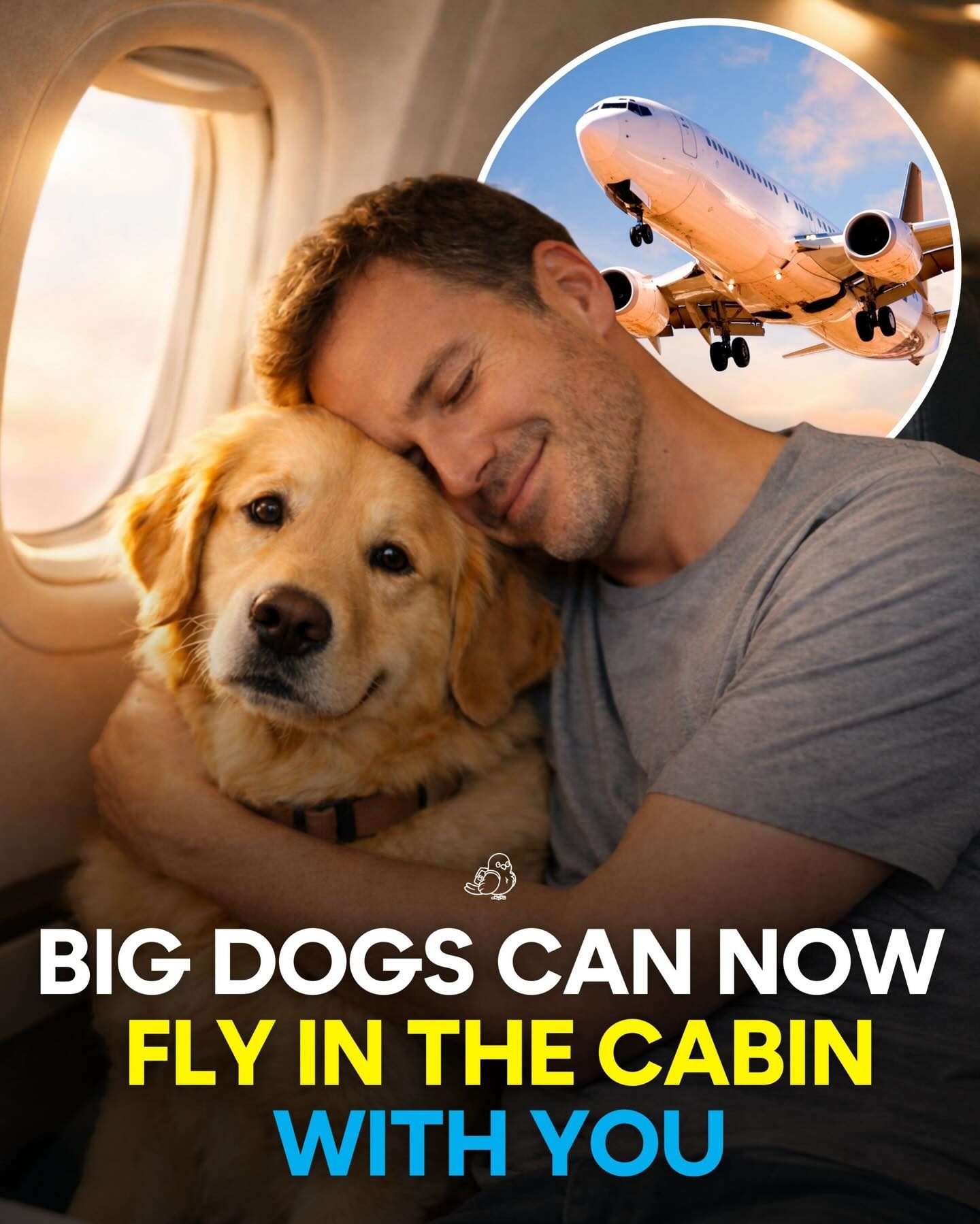
Dog-Friendly Air Travel: Flying with Big Dogs in the Cabin
For many pet parents, traveling with a dog can be a stressful experience. Traditionally, larger dogs often had to fly in cargo, which can be both unsafe and anxiety-inducing for both the pet and the owner. Recently, there has been a significant change in airline policies that is transforming the way pet parents travel with their furry companions. Now a growing number of airlines, especially semi-private and pet-focused carriers, allow larger dogs to fly in the cabin with their owners. This shift is making air travel safer, more comfortable, and more enjoyable for both pets and their human companions.
Why This Matters
Traveling with pets, particularly large dogs, has long been a challenge. The standard practice of placing large dogs in cargo holds can lead to significant stress and potential safety issues for the animals. The new policies that allow larger dogs to fly in the cabin represent a significant improvement in pet travel conditions. By providing a safer and more comfortable environment for the dogs, airlines are offering a better travel experience for their pet-owning customers, fostering customer loyalty and reducing travel-related stress for both pets and owners.
Understanding the New Policies
Seating Arrangements
One of the key changes in the new airline policies is the allowance for larger dogs to fly in the cabin. In most cases, owners are required to purchase an additional seat so their dog can sit comfortably beside them. This arrangement helps reduce stress for both the pet and the owner, making the travel experience less burdensome. The ability to keep a close eye on your furry friend provides peace of mind and ensures that the pet feels secure and calm throughout the journey.
Variations by Airline
It's important to note that policies vary by airline. Some airlines may have specific routes that are pet-friendly, while others may have broader policies. Pre-booking is usually required, so it is essential to plan ahead and familiarize yourself with the specific requirements of the airline you choose. Checking the airline's website or contacting their customer service can provide detailed information about their pet travel policies and any specific restrictions or additional fees.
Benefits for Owners and Pets
The new policies offer several benefits for both owners and their pets. For owners, the ability to have their dog in the cabin reduces the stress and anxiety associated with letting their pet travel in the cargo hold. For pets, flying in the cabin is generally safer and less stressful than being in the cargo hold, where they are exposed to extreme temperatures, noise, and other potential hazards.
Special Considerations
While the new policies are a significant step forward, there are a few considerations to keep in mind. For instance, not all airlines and routes are pet-friendly, so careful planning is necessary. Additionally, pets should be well-trained to ensure they can behave appropriately in a public setting like an airplane cabin. Proper preparation, including training and familiarizing your pet with the travel process, can make the experience smoother.
Practical Tips for Flying with Big Dogs in the Cabin
Choose the Right Airline and Route
Before booking your flight, research different airlines to find those that offer the best pet travel policies. Look for carriers that have specific pet-friendly routes and that allow larger dogs to fly in the cabin. Check the airline's website or contact customer service for detailed information about their policies, fees, and any additional requirements.
Plan Ahead and Book Early
Advance booking is usually required for pet travel, so plan ahead and book your flight well in advance. This ensures that you secure a spot for your dog and have ample time to prepare for the trip. Early booking also gives you the flexibility to choose the most suitable flight times and routes for your pet.
Prepare Your Dog for the Journey
Make sure your dog is well-trained and comfortable with traveling. Practice taking your dog on short car rides or trips to the vet to get them accustomed to being in a confined space. Consider visiting a veterinarian to ensure your dog is healthy and up-to-date on vaccinations. It can also be helpful to visit the vet to get a small dose of a sedative or calming medication to help your dog stay calm during the flight.
Pack Essentials for Your Pet
Bring along all the essentials your dog will need during the flight. This includes a comfortable carrier or bed, food and water, treats, and any necessary medications. Having these items on hand will ensure your dog is comfortable and well-cared for throughout the journey.
Comfort and Safety
Make sure your dog is comfortable and safe during the flight. Provide them with a comfortable seat, and ensure they have enough space to move around if needed. Keep them hydrated and offer them treats and toys to keep them occupied. If the cabin is noisy, consider using earplugs or a calming coat to help your dog relax.
Familiarize Yourself with Airline Regulations
Each airline has its own set of regulations regarding pet travel. Be sure to familiarize yourself with these regulations before your flight. This includes understanding the size and weight restrictions for pets in the cabin, any necessary documentation, and any additional fees or requirements. Knowing these details in advance will help you prepare for a smooth and stress-free travel experience.
Important Takeaways
The new policies allowing larger dogs to fly in the cabin with their owners are a significant improvement in pet travel. They provide a safer, more comfortable, and less stressful experience for both pets and their owners. However, it is essential to do your research, plan ahead, and follow the specific guidelines set by the airline to ensure a smooth travel experience.
Conclusion
As pet ownership continues to rise, the demand for pet-friendly travel options has also increased. The shift in airline policies to allow larger dogs to fly in the cabin with their owners is a positive step in meeting this demand. By providing a safer and more comfortable travel experience for pets and their owners, airlines are enhancing customer satisfaction and loyalty. With careful planning and preparation, pet owners can now enjoy the convenience and comfort of traveling with their furry companions, making the journey a happier and more enjoyable experience for everyone.
Watch the Reel
Questions readers ask
Which airlines are now allowing big dogs in the cabin?
Several airlines, particularly semi-private and pet-focused carriers, have updated their policies to accommodate larger dogs in the cabin. Examples include JetBlue, which allows dogs up to 20 pounds, and Norwegian Air, which permits larger dogs with advance approval and proper documentation. Not all airlines fall under this blanket policy, so it’s important to check the specific airline's guidelines before booking.
What are the benefits of having big dogs in the cabin?
Allows pet parents to keep their furry companions close, reducing anxiety for both the pet and the owner. This arrangement also ensures better monitoring of the pet's well-being during the flight, making the journey safer and more comfortable. Additionally, it helps prevent the stress and potential risks associated with flying in cargo.
How can I prepare my big dog for air travel in the cabin?
To prepare your big dog for air travel, begin by familiarizing them with their carrier or harness. This will help reduce anxiety. Also, consult your vet to ensure the dog is fit to fly. Additionally, check the airline's specific requirements, such as necessary documentation, crate size, and any health certificates or vaccines needed. Pack enough food, water, and any necessary medication for the journey.
What should I expect during the flight with a big dog in the cabin?
During the flight, keep your dog comfortable and secure using an approved carrier or harness. Stay calm and reassuring, as dogs can sense their owner's emotions. Follow the airline's guidelines for pet behavior and safety. Be prepared for potential interactions with flight attendants and fellow passengers, who may be curious or need reassurance about your dog's behavior.
Are there any size or breed restrictions for big dogs in the cabin?
Size and breed restrictions can vary by airline. Some airlines may have weight limits, such as JetBlue's 20-pound restriction, while others may allow larger dogs with certain conditions. Certain breeds may also face restrictions due to safety concerns or airline policies. Always verify the specific airline's policy to ensure your dog meets their requirements.
What should I do if my dog shows signs of discomfort during the flight?
If your dog shows signs of discomfort, such as excessive panting, whining, or restlessness, try to calm them by speaking softly and offering comfort. Ensure they have access to water and their favorite toy or blanket. If symptoms persist, notify a flight attendant immediately. In severe cases, the crew may need to intervene or consult with a veterinary professional upon landing.
Related deep dives
Similar reads based on topic and creator.




Recent articles
Fresh deep dives from the latest Reels we unpacked.




Comments
Be the first to comment.