Beluga Whale Release: From Captivity to Sanctuary in Iceland
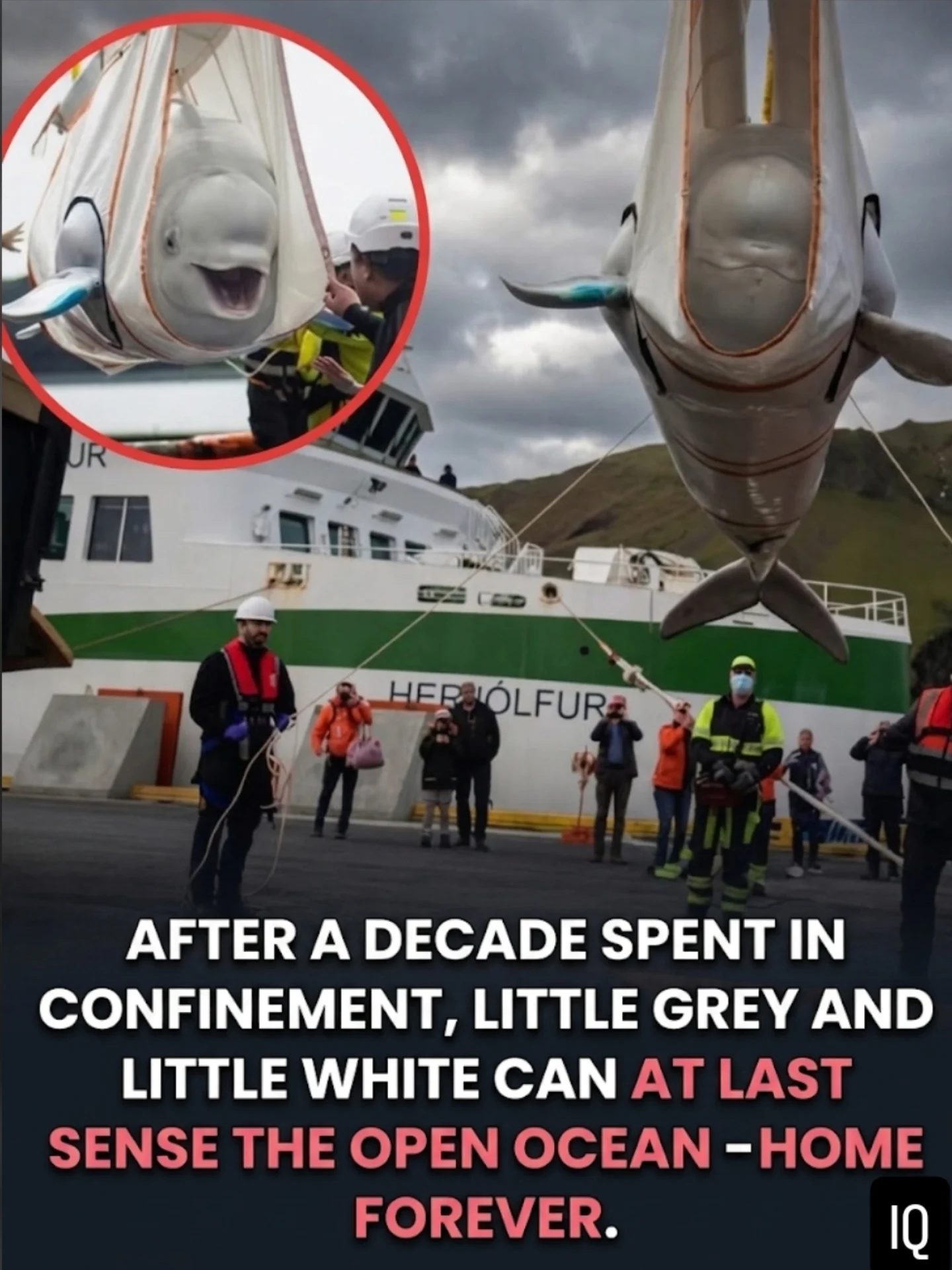
The relocation of two female beluga whales, Little Grey and Little White, marks a significant milestone in marine mammal welfare. After spending a decade in captivity at a entertainment facility in Shanghai, China, these whales were successfully transported to the Sea Life Trust Beluga Whale Sanctuary in Klettsvík Bay, Iceland. This journey, meticulously coordinated and executed, involved specialized marine transport slings and the ferry vessel Herjólfur. The relocation represents a groundbreaking advancement, providing the whales with a natural, protected ocean environment that closely mirrors their wild habitat.
Context: Marine Mammal Welfare and Sanctuary Projects
Marine mammal sanctuaries play a critical role in the conservation and rehabilitation of animals that have spent significant time in captivity. These sanctuaries aim to provide a more natural environment while ensuring continued professional care and monitoring. The concept of open-water sanctuaries has gained traction in recent years as a viable solution for marine mammals that cannot be released directly into the wild but deserve a more natural habitat than captivity.
The Sea Life Trust Beluga Whale Sanctuary in Iceland is one such initiative. Located in Klettsvík Bay off the south coast of Iceland, the sanctuary offers a protected ocean environment that closely resembles the whales' natural habitat. The relocation of Little Grey and Little White to this sanctuary is a testament to the growing recognition of the importance of providing a better quality of life for captive marine mammals.
Key Aspects of the Relocation Project
Logistics and Transportation
The logistics involved in transporting Little Grey and Little White from Shanghai to Iceland were complex and required meticulous planning. The whales were carefully transported using specialized marine transport slings designed to ensure their safety and comfort during the journey. The ferry vessel Herjólfur played a crucial role in this operation, providing a stable and secure environment for the whales during their voyage.
The Role of the Ferry Vessel Herjólfur
The ferry vessel Herjólfur, was instrumental in the successful relocation of the beluga whales. Equipped with specialized marine transport slings, the vessel ensured the safety and comfort of the whales during their journey from Shanghai to Iceland. The vessel's design and capabilities made it an ideal choice for this delicate operation, ensuring that the whales could be transported safely over long distances.
The Sanctuary Environment
Klettsvík Bay, where the Sea Life Trust Beluga Whale Sanctuary is located, offers a natural and protected environment for the whales. The bay's deep waters and remote location provide a safe haven for the whales, allowing them to acclimatize to their new surroundings gradually. The sanctuary is designed to mirror the whales' natural habitat, providing ample space for them to swim and explore while ensuring they receive continued professional care and monitoring.
Practical Tips for those Interested in Marine Mammal Sanctuaries
Supporting Marine Mammal Conservation
For those interested in supporting marine mammal conservation, there are several practical steps one can take. Participating in sanctuary projects, either through volunteering or donations, can make a significant difference in the lives of marine mammals. Additionally, advocating for stronger marine mammal protection policies and raising awareness about their plight can help ensure their well-being.
Understanding the Importance of Natural Environments
Providing marine mammals with natural environments is crucial for their physical and mental well-being. Open-water sanctuaries like the Sea Life Trust Beluga Whale Sanctuary offer a more natural habitat, allowing marine mammals to engage in behaviors they would exhibit in the wild. This can significantly improve their quality of life and overall health.
Educating the Public
Raising awareness about the importance of marine mammal sanctuaries and the challenges faced by captive marine mammals is essential. Sharing information about successful relocation projects like that of Little Grey and Little White can inspire others to support similar initiatives. Engaging with educational resources and participating in community events can also help spread awareness and garner support for marine mammal conservation.
Important Takeaways
The relocation of Little Grey and Little White from captivity to the Sea Life Trust Beluga Whale Sanctuary is a significant achievement in marine mammal welfare. This project highlights the importance of providing natural, protected environments for marine mammals that have spent significant time in captivity. The success of this relocation underscores the need for continued support and investment in marine mammal sanctuaries and conservation efforts.
Conclusion
The journey of Little Grey and Little White from captivity to a natural, protected environment in Iceland serves as a powerful reminder of the importance of marine mammal welfare. The relocation project, facilitated by the ferry vessel Herjólfur, demonstrates the feasibility and significance of providing marine mammals with a more natural habitat. As we continue to learn more about the needs and behaviors of these remarkable creatures, it is crucial to support initiatives that prioritize their well-being and ensure they have the opportunity to thrive in environments that closely mirror their wild habitats.
Watch the Reel
Questions readers ask
Why were Little Grey and Little White released into the Icelandic sanctuary?
Little Grey and Little White were released to provide them with a more suitable habitat. After a decade in captivity, the whales were relocated to the Sea Life Trust Beluga Whale Sanctuary in Klettsvík Bay, Iceland, which offers a natural, protected ocean environment that closely mirrors their wild habitat.
How were the beluga whales transported to Iceland?
The whales were transported using specialized marine transport slings, and the ferry vessel, Herjólfur. The journey was meticulously coordinated and executed to ensure the safety and well-being of the beluga whales during the relocation process.
What is the significance of the beluga whales' release into the Icelandic sanctuary?
The release of Little Grey and Little White marks a significant step in marine mammal welfare. The sanctuary in Iceland provides a more suitable habitat for the whales, offering them a natural, protected ocean environment after a decade in captivity.
What kind of environment does the Icelandic sanctuary provide for the beluga whales?
The Sea Life Trust Beluga Whale Sanctuary in Klettsvík Bay, Iceland, offers a natural, protected ocean environment. This habitat closely mirrors the whales' wild surroundings, providing ample space for the beluga whales to thrive in a setting that closely resembles their natural home.
What role do marine mammal sanctuaries play in wildlife conservation?
Marine mammal sanctuaries, such as the Sea Life Trust Beluga Whale Sanctuary, offer a safe and natural environment for marine mammals that have been in captivity. These sanctuaries aid in the rehabilitation and reintegration of marine mammals, providing a protected space for them to live in a habitat that closely resembles their natural surroundings.
Who were Little Grey and Little White before their release into the Icelandic sanctuary?
Before their release, Little Grey and Little White were female beluga whales. They spent a decade in captivity at an entertainment facility in Shanghai, China. Their relocation to the sanctuary in Iceland marked a significant change, providing them with a more natural and suitable habitat.
Related deep dives
Similar reads based on topic and creator.

Recent articles
Fresh deep dives from the latest Reels we unpacked.




Comments
Be the first to comment.