French Schoolchildren and Wine: A Historical Perspective
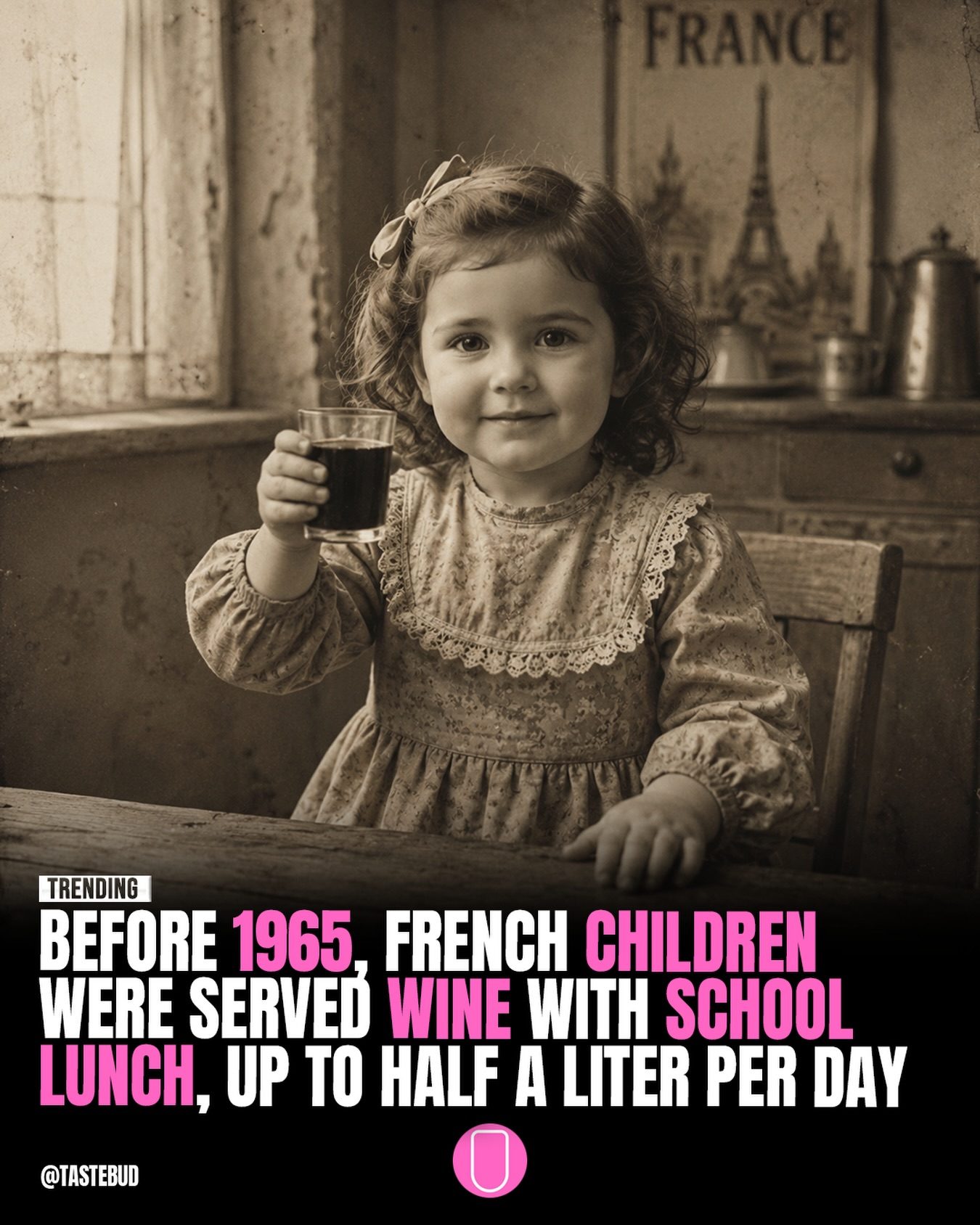
Before the mid-1960s, it was not uncommon for French schoolchildren to be served wine with their lunch. This practice, which included serving older students up to half a liter of wine per day, was considered a normal part of daily culture. Over time, however, health awareness grew, and policies were updated to reflect changing attitudes toward alcohol consumption among children.
Why This Matters
Understanding the historical context of wine consumption among French schoolchildren provides insights into cultural shifts and evolving attitudes toward health and wellness. It also highlights how societal norms can change dramatically over time, reflecting broader changes in medical knowledge and public policy.
Wine in School Lunches: A Cultural Norm
The Role of Wine in Daily Life
In France, wine has long been an integral part of the culture. It was often served with meals, including school lunches, as a way to introduce children to the traditions of French dining. The practice was seen as a means of fostering a sense of belonging and cultural identity, rather than as a controversial or harmful behavior. This practice was deeply ingrained in the fabric of French society and was not viewed with the same level of scrutiny as it might be today.
Historical Context and Policies
The shift in policy began in the mid-1960s, driven by increasing health awareness and a growing understanding of the potential risks associated with alcohol consumption, especially among children. As medical research advanced, so too did public awareness of the dangers of early alcohol exposure. This led to a reevaluation of existing practices and the implementation of stricter policies.
By the mid- to late-1960s, the serving of wine in schools began to decline. This change was gradual, reflecting the broader societal shift toward healthier lifestyles and more stringent health regulations. Policies were updated to reflect these changes, and the serving of wine in schools became increasingly rare.
Health Awareness and Policy Change
Evolving Medical Knowledge
The mid-20th century saw significant advancements in medical research, particularly in the fields of nutrition and public health. Studies began to emerge highlighting the potential health risks associated with alcohol consumption, especially among young individuals. This newfound medical knowledge played a crucial role in shaping public policy and influencing societal attitudes toward alcohol.
Public Policy and Regulation
As health awareness grew, so too did the demand for stricter regulations on alcohol consumption, particularly among children. Policymakers responded to this demand by implementing new guidelines and rules that restricted the serving of alcohol in schools. These changes were aimed at protecting the health and well-being of children and promoting a healthier lifestyle.
Practical Tips for Understanding Historical Context
When exploring historical practices, it's important to consider the cultural and societal contexts in which they occurred. Here are some tips for gaining a deeper understanding of such practices:
Contextualize the Practice
Understand the broader cultural and historical context in which the practice existed. In the case of wine consumption among French schoolchildren, it was deeply rooted in French culinary traditions and cultural practices.
Consider the Evolution of Health Knowledge
Recognize how medical knowledge and public health practices have evolved over time. The shift from serving wine in schools to stricter regulations reflects a broader change in understanding the potential risks of alcohol consumption.
Reflect on Cultural Shifts
Reflect on how cultural norms and societal attitudes can change dramatically over time. What was once considered acceptable can become controversial as knowledge and societal values evolve.
Important Takeaways
The practice of serving wine to French schoolchildren before the mid-1960s offers a fascinating glimpse into a bygone era. Several key takeaways emerge from this historical perspective:
- Cultural norms and practices can evolve significantly over time. What was once considered a normal part of daily life can become controversial as societal values and health knowledge change.
- Health awareness and medical research play a crucial role in shaping public policy and societal attitudes. The shift in policy regarding the serving of wine in schools reflects a broader change in understanding the potential risks of alcohol consumption.
- The serving of wine to French schoolchildren was deeply rooted in cultural traditions and was not initially viewed as controversial. However, as health awareness grew, attitudes toward this practice changed, leading to stricter regulations and policies.
Conclusion
The historical practice of serving wine to French schoolchildren provides valuable insights into cultural shifts and evolving attitudes toward health and wellness. By understanding the context and reasons behind this practice, we can gain a deeper appreciation for how societal norms and public policies can change over time. This knowledge can inform our understanding of current practices and help us navigate future changes in health and cultural norms.
Watch the Reel
Questions readers ask
Why was wine commonly served to French schoolchildren before 1965?
Wine was a typical part of French school lunches due to its deep cultural significance. Serving wine to children was seen as a way to introduce them to French traditions and cultural heritage.
How much wine did French schoolchildren typically consume during lunch?
Older students in French schools could consume up to half a liter of wine per day, although it was usually served at lunch.
What factors led to the end of serving wine in French schools?
The shift in policies was largely due to a growing awareness of health issues and the impacts of alcohol on children and youth.
Was the consumption of wine by French schoolchildren a unique practice?
The practice of serving wine in schools was a reflection of French culture. Children were served wine at the dinner table at home, and this was a continuation of those habits.
How did the practice of serving wine in schools reflect French society at the time?
It highlighted the cultural norm of wine consumption in France. At the time, wine was a staple at meals, including lunches served at school.
When did the practice of serving wine in French schools begin to change?
The mid-1960s marked the start of significant changes in wine consumption in French schools. With growing health awareness, policies were updated to reflect new attitudes.
What can we learn from the history of wine in French schools?
This period provides insights into cultural shifts and evolving attitudes toward health and wellness. It also highlights how societal norms can change dramatically over time, reflecting broader changes in medical knowledge and public policy.
Related deep dives
Similar reads based on topic and creator.




Recent articles
Fresh deep dives from the latest Reels we unpacked.




Comments
Be the first to comment.