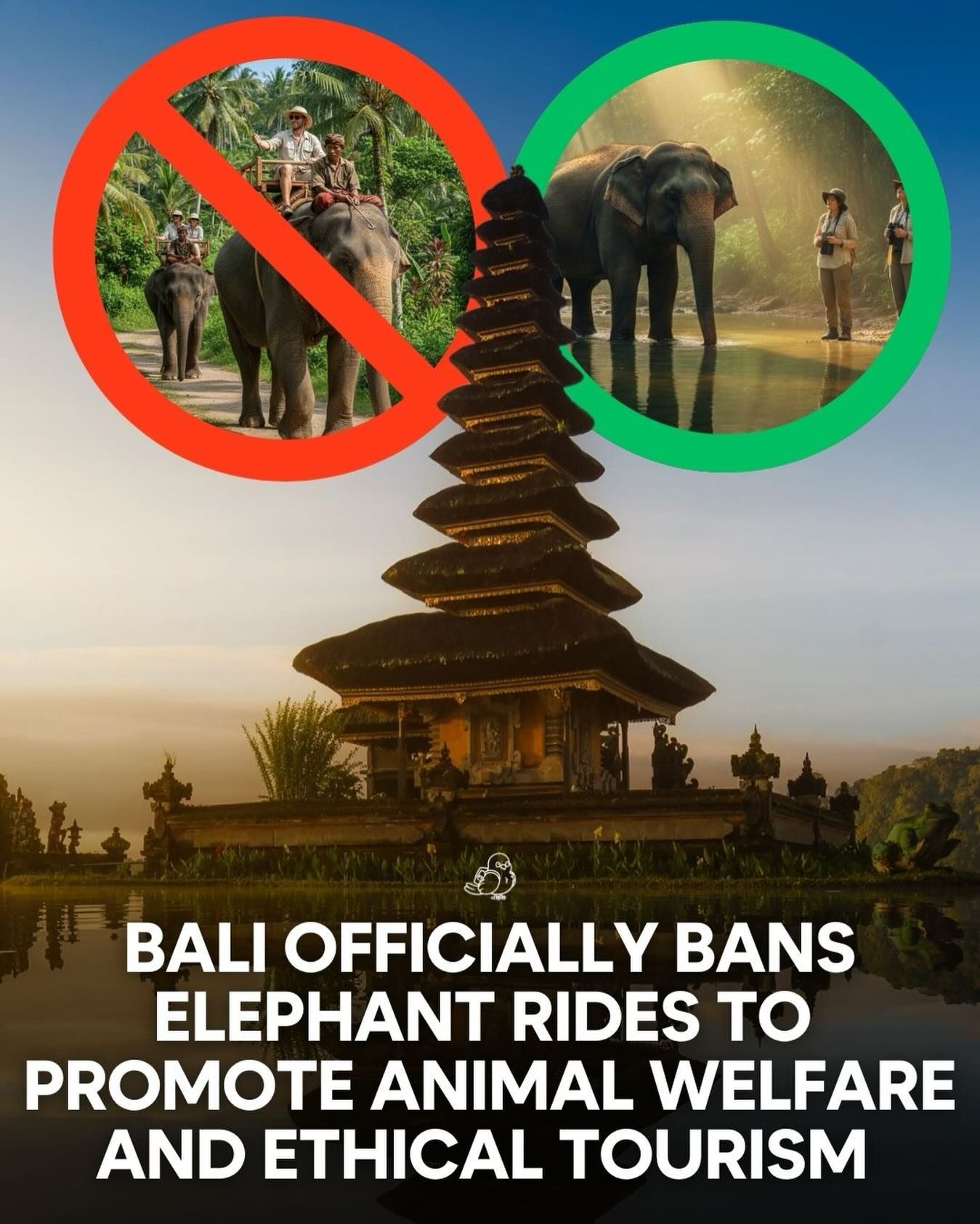
Animal Welfare and Tourism in Bali
Bali, a popular tourist destination known for its rich culture and stunning landscapes, has taken a significant step towards promoting animal welfare and ethical tourism. The region has officially banned elephant rides, a move that highlights the growing global concern over the ethical treatment of wildlife in tourism.
Context: Why This Matters
The decision to ban elephant rides in Bali is more than just a local policy change; it is part of a broader global movement towards ethical tourism. Tourists, especially those who visit wildlife-rich destinations, are becoming increasingly aware of the ethical implications of their choices. This shift in public consciousness is pushing destinations like Bali to rethink how they engage with wildlife and promote tourism.
The Impact on Elephants and Tourism
The Case Against Elephant Rides
Elephant rides have long been a controversial practice in many tourist destinations, including Bali. Concerns about the physical and psychological well-being of elephants have been growing. Elephants are not naturally equipped to carry heavy loads on their backs. The practice of riding elephants often involves physical abuse, such as the use of sharp hooks and chains to train the animals. These methods, coupled with the stress and physical strain of carrying tourists, can lead to long-term health issues for the elephants.
Promoting Ethical Tourism
Bali's ban on elephant rides is a proactive step towards promoting the ethical treatment of wildlife. By encouraging tourism operators to shift towards observation-only experiences, rescue centers, and sanctuaries, Bali is setting a new standard for responsible tourism. These alternatives prioritize the rehabilitation, conservation, and education of wildlife, rather than using them for entertainment.
The shift towards ethical tourism practices is not just about animal welfare; it is also about enhancing the overall tourist experience. Visitors who choose these alternatives are more likely to have a deeper, more meaningful connection with the local culture and wildlife. They are also contributing to sustainable tourism, which benefits both the local economy and the environment.
Practical Tips for Ethical Tourism
Choosing the Right Experiences
When planning a trip to Bali or any other wildlife-rich destination, it is essential to choose experiences that prioritize animal welfare. Here are some tips to ensure your trip is ethical and responsible:
- Research Before You Go: Look into the practices of the tour operators and sanctuaries. Choose those that have a strong commitment to animal welfare and ethical tourism.
- Avoid Rides and Shows: Opt for observation-only experiences. These allow you to interact with wildlife in a natural and respectful way, without causing them distress.
- Support Rescue Centers and Sanctuaries: These places prioritize the rehabilitation and conservation of animals, offering a more meaningful and impactful experience.
- Engage with Local Culture: Experiencing the local culture through food, dance, and festivals can provide a deeper and more enriching travel experience.
What to Look For
When choosing a sanctuary or rescue center, here are some indicators of ethical practices:
- No Animal Performances: Ethical centers do not force animals to perform for visitors.
- Clear Health and Welfare Standards: Ensure that the animals are well-fed, healthy, and have ample space to roam.
- Transparency in Operations: Look for centers that are open about their practices and allow visitors to see how they care for the animals.
- Education and Conservation Efforts: Ethical centers often focus on educating visitors about wildlife and conservation efforts.
Important Takeaways
The ban on elephant rides in Bali is a significant step towards promoting animal welfare and ethical tourism. It serves as a reminder that tourists have the power to influence how wildlife is treated in tourist destinations. By choosing ethical experiences, we can support sustainable tourism and contribute to the well-being of wildlife and local communities.
Conclusion
Bali's decision to ban elephant rides underscores the importance of ethical tourism in protecting wildlife and promoting responsible travel practices. This move not only benefits the elephants but also enhances the overall tourist experience by offering more meaningful and impactful interactions with wildlife.
As travelers, it is crucial to be mindful of our choices and support destinations that prioritize animal welfare and sustainable tourism. By doing so, we can contribute to a more compassionate and responsible travel culture, ensuring that future generations can also enjoy these wonders of the natural world.
Watch the Reel
Questions readers ask
Why did Bali decide to ban elephant rides?
Bali banned elephant rides to promote better treatment of these animals and to align with the growing global trend of ethical tourism. This decision reflects a commitment to more humane and responsible wildlife encounters.
What are some alternatives to elephant rides in Bali?
With the ban in place, visitors are encouraged to explore alternatives such as elephant nature parks, sanctuaries, and ethical elephant encounters. These options allow tourists to observe and interact with elephants in a more natural and respectful setting.
How does this ban reflect a global trend?
This ban is part of a broader international movement towards ethical tourism. Many destinations worldwide are re-evaluating their wildlife tourism practices to ensure they prioritize animal welfare and responsible tourism, and Bali is following suit.
What impact will the ban have on local tourism?
The ban on elephant rides is expected to shift local tourism towards more sustainable and ethical practices. Tourists will likely seek out ethical experiences, encouraging local businesses to offer humane and responsible wildlife encounters.
How can tourists support animal welfare in Bali?
Tourists can support animal welfare by choosing tour operators committed to ethical and humane animal treatment. They can also visit sanctuaries and nature parks that focus on elephant conservation and well-being, contributing to sustainable tourism.
Related deep dives
Similar reads based on topic and creator.




Recent articles
Fresh deep dives from the latest Reels we unpacked.




Comments
Be the first to comment.