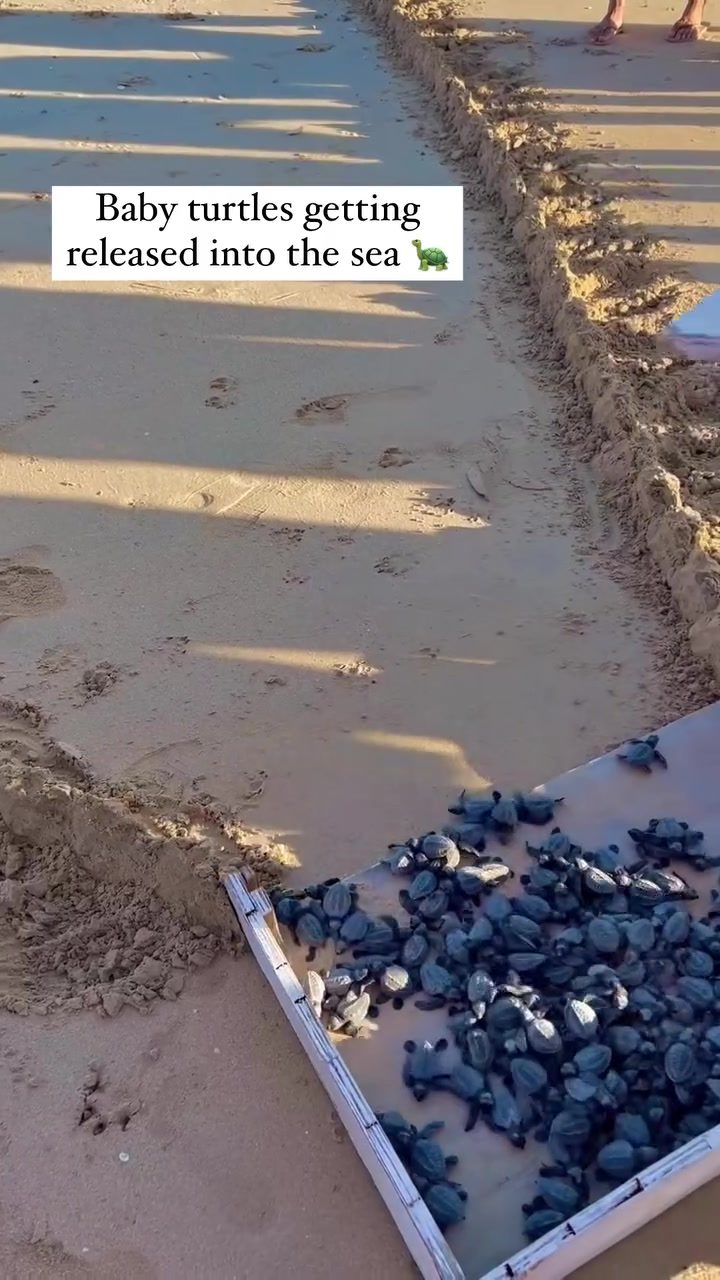
Baby Turtle Releases: A Conservation Success Story
Baby turtles taking their first steps towards the ocean mark a significant milestone in their journey towards a life in the wild. This conservation effort is a heartwarming display of nature's cycle and the resilience of these tiny creatures. The process involves careful guidance from conservationists, who ensure the turtles' safe release into their natural habitat.
Why This Matters
Turtle releases are essential for the survival and propagation of various turtle species. Many turtle populations are endangered due to habitat loss, pollution, and predation. Conservation efforts, such as releasing baby turtles into the ocean, help to increase their chances of survival and contribute to the overall health of marine ecosystems.
The process of releasing baby turtles is a delicate one, requiring careful planning and execution. Conservationists often monitor the turtles closely to ensure they are healthy and strong enough to make the journey from the sand to the sea. The release sites are chosen based on factors like the presence of suitable nesting grounds and the absence of predators.
Main Discussion
The Journey Begins
Baby turtles, also known as hatchlings, are released into the ocean shortly after hatching. This is a critical stage in their development, as they face numerous challenges in their new environment. The turtles are guided from their nesting site to the water, where they begin their journey towards open waters.
The Role of Conservationists
Conservationists play a crucial role in the release process. They carefully prepare the turtles for their journey, ensuring they are healthy and strong. The turtles are often released at night to avoid predators and to take advantage of the cooler temperatures, which can help them conserve energy.
The release sites are also carefully selected to provide the best possible start for the baby turtles. Factors such as the presence of suitable nesting grounds, water quality, and the absence of predators are all taken into consideration.
Challenges Faced by Baby Turtles
Once the baby turtles are released into the ocean, they face numerous challenges. They must navigate through treacherous waters, avoid predators, and find food sources. The first few days after release are particularly critical, as the turtles are vulnerable and need to quickly adapt to their new environment.
The Importance of Habitat Protection
Habitat protection is a key aspect of turtle conservation. Many turtle species nest on beaches, and the integrity of these nesting grounds is crucial for their survival. Sadly, many nesting sites are threatened by human activities, such as coastal development and pollution. Protecting these habitats ensures that future generations of turtles have a safe place to nest and hatch.
Public Engagement and Education
Public engagement and education are also important components of turtle conservation efforts. By raising awareness about the challenges faced by these creatures, conservationists can garner support for their efforts. This support can take the form of volunteering, donations, or simply spreading the word about the importance of protecting turtle habitats.
Practical Tips for Supporting Turtle Conservation
-
Reduce Plastic Pollution: One of the biggest threats to turtles is plastic pollution. Reducing your use of single-use plastics and properly disposing of trash can help keep our oceans cleaner and safer for marine life.
-
Volunteer with Local Conservation Groups: Many communities have local conservation groups dedicated to protecting turtles. Volunteering your time and skills can make a significant difference in these efforts.
-
Support Sustainable Fishing Practices: Overfishing and bycatch can harm turtles. Supporting sustainable fishing practices can help protect these creatures and their habitats.
-
Protect Nesting Grounds: If you live near a beach, be mindful of turtle nesting grounds. Avoid disturbing nests and keep the area clean to ensure a safe environment for hatching turtles.
-
Advocate for Wildlife Protection: Use your voice to advocate for policies that protect wildlife and their habitats. Contact your local representatives and support organizations that work to protect endangered species.
-
Respect Wildlife: When out and about, especially at the beach or in nature, respect wildlife. Observe from a safe distance and avoid disturbing nesting sites.
Important Takeaways
Baby turtle releases are a critical component of marine conservation efforts. They not only help to increase the population of endangered species but also contribute to the overall health of marine ecosystems. By supporting these efforts, we can help ensure the survival of these remarkable creatures for future generations to enjoy.
Conclusion
The release of baby turtles into the ocean is a poignant reminder of the delicate balance of nature. This conservation initiative underscores the importance of preserving our natural world and the creatures that call it home. As we continue to support and participate in these efforts, we contribute to a healthier planet and a brighter future for these remarkable creatures.
Watch the Reel
Questions readers ask
Why are baby turtle releases important for conservation efforts?
Baby turtle releases are crucial for boosting the populations of endangered turtle species. By guiding hatchlings safely into the ocean, conservationists help counteract losses due to habitat destruction, pollution, and predators. This process is essential for maintaining the health of marine ecosystems.
What role do conservationists play in the release of baby turtles?
Conservationists play a pivotal role in ensuring the safe release of baby turtles into the ocean. Their responsibilities include monitoring the nests, protecting the hatchlings from predators, and guiding them to the water's edge. This hands-on approach maximizes the chances of survival for the young turtles.
How do baby turtles find their way to the ocean?
Baby turtles instinctively move towards the ocean by following the natural light of the horizon. Conservationists facilitate this by ensuring the beach is free from obstacles and predators, allowing the turtles to take their first steps into the sea unimpeded.
What threats do baby turtles face during their journey to the ocean?
During their journey from nest to sea, baby turtles encounter various threats, including predators such as birds and crabs, artificial lighting that can disorient them, and human disturbances. Conservation efforts aim to mitigate these risks to improve their chances of survival.
How does the release of baby turtles benefit marine environments?
The release of baby turtles contributes to the health of marine environments by supporting the balance of marine ecosystems. Turtles play a role in maintaining healthy seagrass beds and coral reefs, which in turn support a diverse array of marine life.
What happens after baby turtles are released into the ocean?
After release, baby turtles must navigate the open ocean, finding food and avoiding predators. They spend several years in the open sea before returning to coastal areas. Conservationists track and monitor their progress to gain insights into their survival rates and behaviors, helping to refine future conservation strategies.
How can the public support baby turtle conservation efforts?
The public can support baby turtle conservation by participating in volunteer programs, donating to conservation organizations, and advocating for policies that protect marine habitats. Additionally, reducing the use of plastics and minimizing light pollution on beaches can significantly benefit turtle hatchlings.
Related deep dives
Similar reads based on topic and creator.

Recent articles
Fresh deep dives from the latest Reels we unpacked.




Comments
Be the first to comment.