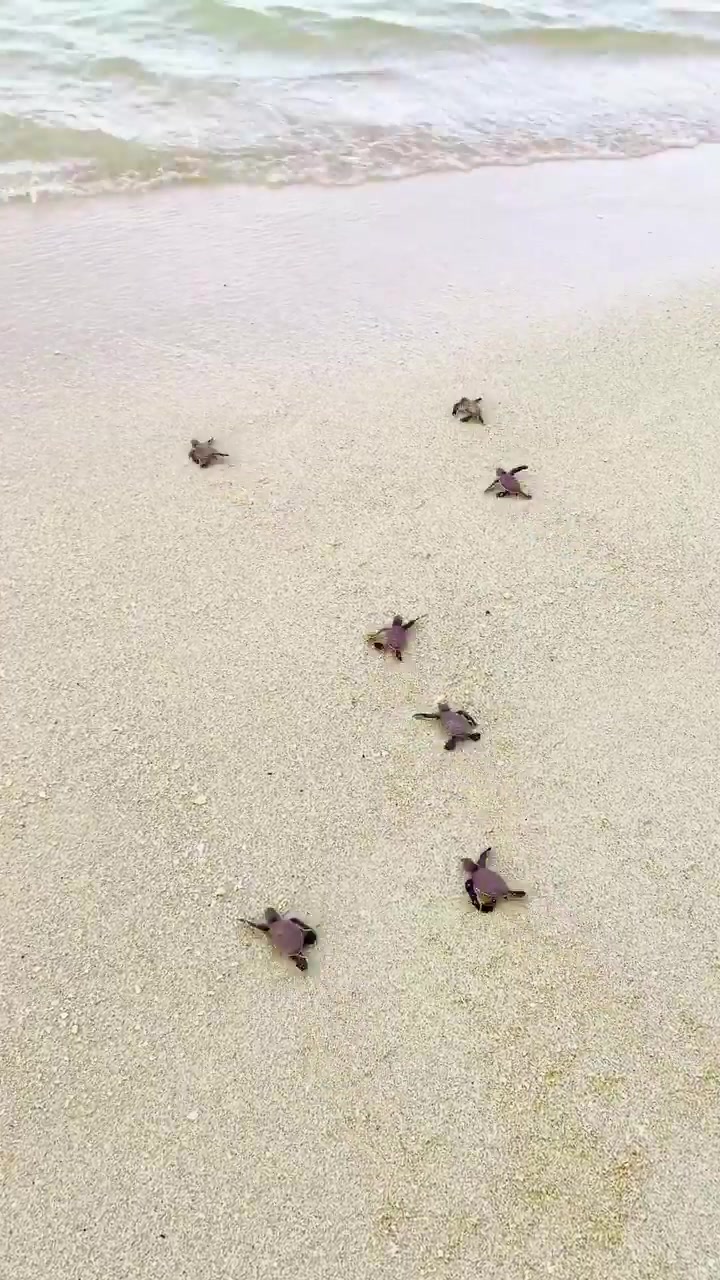
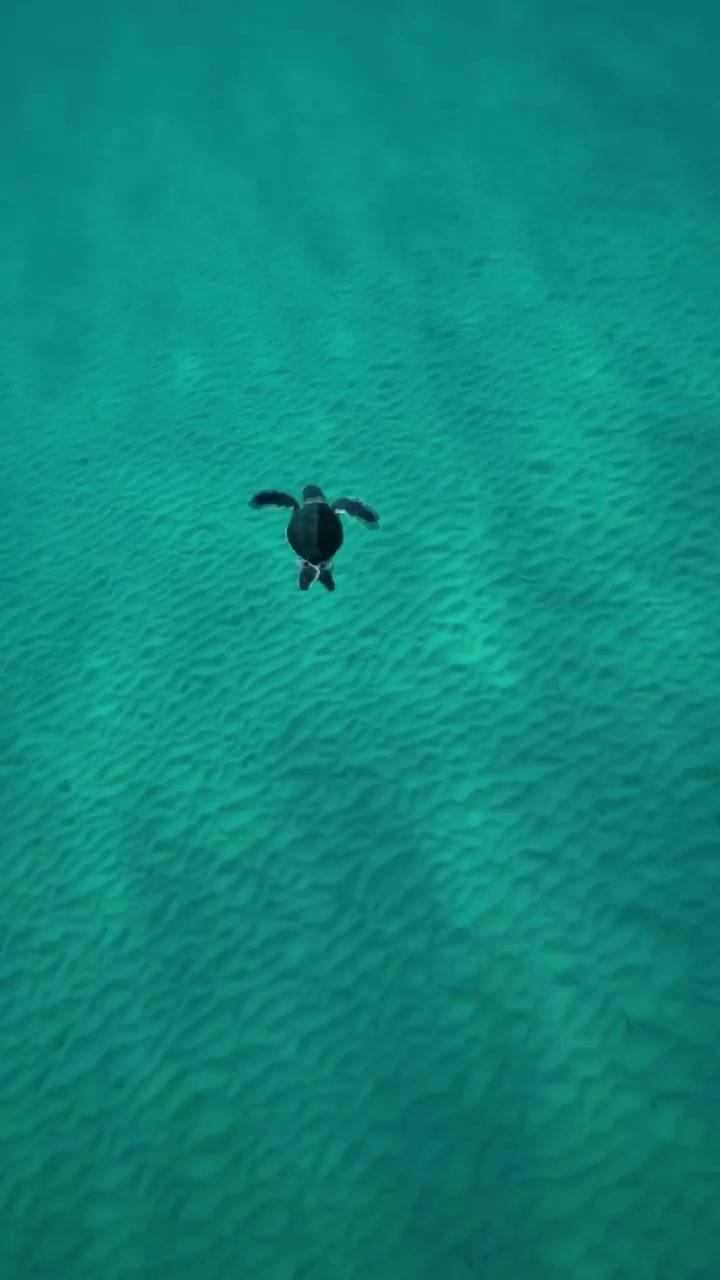
Tiny sea turtles emerge from the sand on a beach, their flippers propelling them towards the ocean. One of these first, fragile journeys seems to have inspired a song. Just 13 seconds long, the lyric "leave me on sandy, why do you leave me with water, girl?" covers a lot of ground, including the experience and emotion of the event unfolding on screen. The imagery of hatchling sea turtles crawling toward the ocean, navigating the sand, is vibrant and compelling. This natural phenomenon marks an essential stage in the sea turtle life cycle. Turtle hatchlings' journey from the sand to the ocean is fraught with risks—both natural and human-made.
Nature's tiny travelers
Sea turtle hatchlings begin their lives buried in the sand with their siblings. This natural burrow provides shelter and warmth. When the time comes, hatchlings must dig their way out of the sand and journey to the ocean. This journey marks the figurative beginning of life for these creatures. The sand provides a test of their strength and agility. The tiny flippers work hard to maneuver around the sand. The hatchlings must cross the beach, where they will encounter obstacles and predators. The brightest lights on the horizon, usually moonlight reflecting off the ocean, guide the hatchlings to their ocean home. Artificial lighting can disorient the hatchlings, drawing them away from the ocean and leading them towards potentially fatal dangers.
The sea turtle's journey to the ocean
Nature films often have a number of special effects to help create a lasting memory, but this video does not need any. It shows nature just as it is. The spectacle of the ocean waves as the goal, makes for an emotionally powerful scene. "Natural phenomena" are often a backdrop for other stories. However, the story of the tiny sea turtles' journey is front and center. The way hatchlings navigate the sand, encountering various grains and pebbles, highlights their natural instincts and resilience.
Navigating challenges
The natural obstacles a baby sea turtle encounters during its ocean journey are combined with human threats. They must negotiate nests, face predators, and navigate the sand to reach the ocean. Artificial lighting is also a danger. This human-made interference can disorient them and draw them away from the ocean, leading to potentially fatal consequences.
The final destination
The ocean is the ultimate destination for these hatchlings. The journey to the ocean is a rite of passage for young sea turtles, marking their transition from life in the sand to life in the water. The waves crashing against the shore serve as a powerful visual reminder of the vast and unpredictable world these tiny creatures are about to enter.
Humankind's relationship with the species
The sea turtle is a symbol of a vital relationship between humankind and nature. The song lyrics, "leave me on sandy, why do you leave me with water, girl?" may seem disconnected, but what softens the tone of Mother Nature is the sweetness and innocence of the baby sea turtle.
Why it matters
Sea turtles play a crucial role in the ecosystem as well as in storytelling. Their journey from the sand to the sea symbolizes resilience and the beauty of life. They navigate the challenges of both natural and human-made environments during their journey, demonstrating adaptability. The journey of sea turtle hatchlings serves as a reminder of the delicate balance between nature and human intervention. The impact of human activities on sea turtle populations highlights the importance of conservation efforts. The video reminds us to protect these creatures and their habitats, ensuring that future generations can witness this natural phenomenon.
The delicate balance of ecosystems
The hatchlings' journey is a vivid demonstration of the delicate balance that exists in ecosystems. The turtles rely on the natural elements like sand, water, and the reflecting light. Artificial lighting, pollution, and climate change threaten delicate ecosystems. The sea turtle's journey reminds us of the importance of conservation efforts and the protection of nature.
Practical guidance for conserving baby sea turtles
The journey of baby sea turtles is a marvel to watch. Their journey from the sand to the ocean is made possible because the right environmental conditions are in place. This execution of nature lends itself to a practical application: how can we, as humans, preserve this life stage?
- Reduce Light Pollution: Artificial lights can disorient sea turtle hatchlings, drawing them away from the ocean. Use turtle-friendly lighting that is directed downwards and shielded to minimize glare.
- Keep Beaches Clean: Debris and litter on the beach can obstruct the hatchlings' path to the ocean. Regular beach cleanups and responsible waste management help to keep the beaches clear and safe for hatchlings.
- Protect Nesting Sites: Many coastal areas are home to sea turtle nesting sites. The adult sea turtles, and their nests, face various threats. Government agencies, conservation groups, and communities protect these nests, ensuring the survival of future generations. Citizens can help by understanding these threats and taking actions to protect the nesting sites within their area.
- Support Conservation Efforts: Sea turtles face numerous threats, including habitat loss, pollution, and climate change. Numerous organizations are dedicated to protecting sea turtles and their habitats. You can support these organizations through donations and volunteering.
Watch the Reel
Questions readers ask
What exactly triggers baby sea turtles to start their journey from the sand to the ocean?
Baby sea turtles typically emerge from their sand nests at night, triggered by a combination of factors including temperature changes and moisture. The specific cues can vary, but it's often a mix of natural signals that prompt them to begin their perilous journey.
How do artificial lights pose a threat to baby sea turtles?
Artificial lights from coastal developments can disorient hatchlings, making them crawl towards the lights instead of the ocean. This misdirection can lead them to dangerous areas like roads or urban environments, increasing their risk of predation or dehydration.
What kind of predators do baby sea turtles face during their journey to the ocean?
Baby sea turtles face a variety of predators during their journey, including birds, crabs, and even larger sea creatures. These predators take advantage of the hatchlings' small size and vulnerability, making the journey to the ocean a critical test of survival.
Can baby sea turtles navigate the sand and ocean without any guidance?
Baby sea turtles rely on natural instincts and environmental cues to navigate. They use the brightest lights on the horizon, usually moonlight reflecting off the ocean, to guide them. However, these instincts can be disrupted by artificial lights, which can lead them astray.
How does the journey to the ocean impact the life cycle of sea turtles?
The journey from the sand to the ocean is a pivotal moment in a sea turtle's life cycle. It marks their transition from a sheltered, underground existence to the vast and unpredictable ocean environment. This journey shapes their future survival and adaptation skills.
Is there a way to mitigate the impact of artificial lights on baby sea turtles?
Yes, there are measures that can be taken to reduce the impact of artificial lights. These include using turtle-friendly lighting, which is lower in intensity and has a specific wavelength that is less likely to disorient the hatchlings. Additionally, turning off unnecessary lights during the nesting season can help guide the hatchlings safely to the ocean.
What role do sea turtles play in the ecosystem and why is their journey significant?
Sea turtles play a vital role in maintaining the health of marine ecosystems. They help control seagrass populations, which in turn supports other marine life. Their journey from the sand to the ocean is a critical part of their life cycle, symbolizing their importance in the natural world and their resilience in the face of numerous challenges.
Related deep dives
Similar reads based on topic and creator.


Recent articles
Fresh deep dives from the latest Reels we unpacked.


Comments
Be the first to comment.