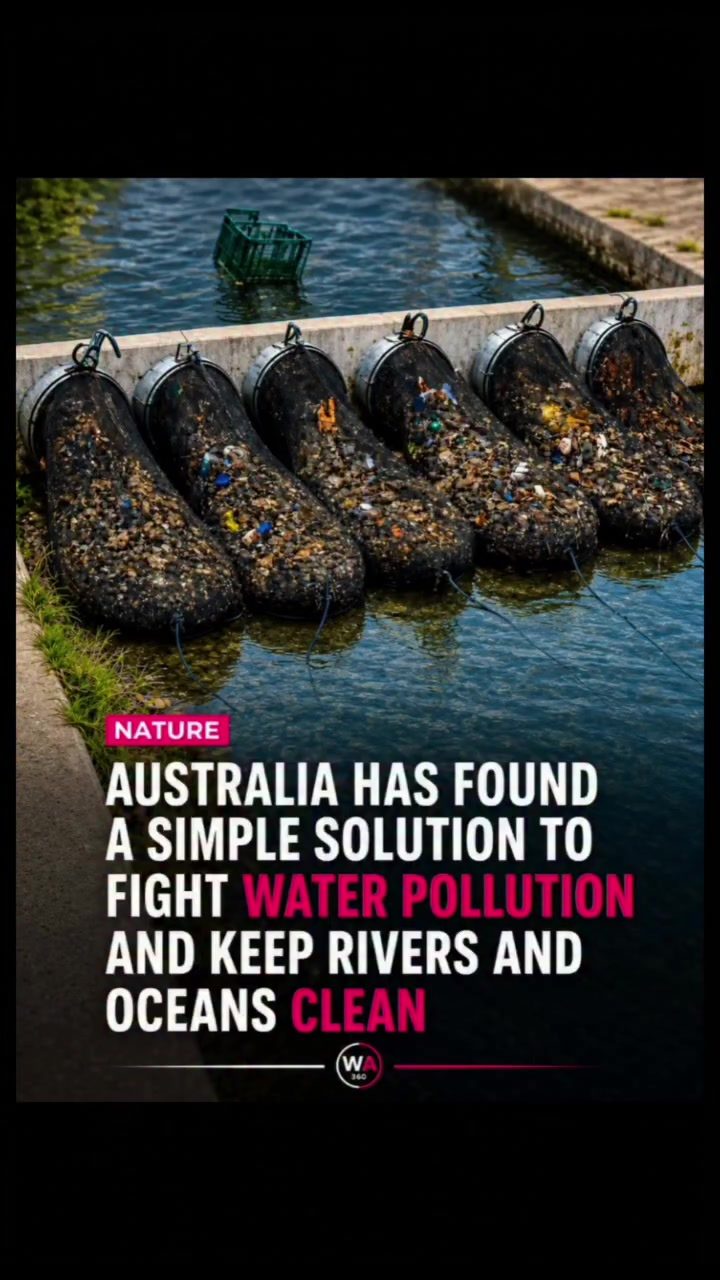
Australia's Simple Solution to Water Pollution
Australia has implemented a straightforward yet effective method to combat water pollution. By deploying specially designed floating litter traps in waterways, the country is successfully capturing plastic waste and other debris before they reach rivers and oceans. This initiative showcases that innovation doesn't always need to be complex; sometimes, simple solutions can have a profound impact on the environment.
Why This Matters
Plastic pollution poses a significant threat to marine ecosystems worldwide. Every piece of plastic that enters waterways can harm marine life, disrupt ecosystems, and ultimately contaminate the food chain. Addressing this issue is crucial not only for the health of our oceans but also for the well-being of future generations. Innovative solutions like Australia's floating litter traps offer a practical approach to tackling this global problem.
Main Discussion
The Problem of Plastic Pollution
Plastic pollution is a pervasive issue that affects waterways and oceans around the world. The sheer volume of plastic waste that ends up in our water systems is staggering. Single-use plastics, such as bottles and wrappers, are particularly problematic because they are lightweight and easily carried by wind and water currents, making them difficult to contain.
Australia's Innovative Solution
Australia's approach to mitigating plastic pollution is centered around the use of floating litter traps. These traps are strategically placed in waterways to capture debris before it reaches larger bodies of water. By intercepting waste early in the process, these traps prevent plastic from accumulating in rivers and oceans, where it can cause significant damage to marine life and ecosystems.
How Floating Litter Traps Work
Floating litter traps are designed to be both effective and environmentally friendly. They function by using natural water currents to guide debris into the trap, where it is then collected for proper disposal. The traps are made from durable, recyclable materials, ensuring they do not contribute to the problem they are meant to solve. Regular maintenance and emptying of these traps are essential to keep them functioning optimally.
The Benefits of Cleaner Waterways
Cleaner waterways have a cascade of positive effects. In addition to reducing the amount of plastic that reaches the oceans, these efforts also lead to healthier marine life. Fish, birds, and other marine animals are less likely to ingest or become entangled in plastic, which can be fatal. Cleaner water also supports more diverse ecosystems, benefiting both marine and terrestrial life.
The Role of Community and Policy
While technology plays a significant role, community involvement and supportive policies are equally important. Public awareness campaigns and local community efforts can help drive the adoption of litter traps and other waste management solutions. Policies that incentivize waste reduction and recycling also play a crucial role in reducing the amount of plastic that ends up in waterways.
Global Impact and Inspiration
Australia's success with floating litter traps has inspired similar initiatives around the world. Cities and communities are increasingly looking for ways to manage waste more effectively and protect their local waterways. By sharing best practices and innovative solutions, the global community can work together to tackle plastic pollution and create a cleaner, healthier planet.
Practical Tips
If you're looking to contribute to the fight against plastic pollution, consider the following tips:
- Reduce Plastic Use: Minimize the use of single-use plastics in your daily life. Opt for reusable containers, bags, and bottles whenever possible.
- Participate in Clean-Up Efforts: Join local community clean-up events or organize your own. Collecting litter from parks, beaches, and waterways can make a significant difference.
- Support Innovative Solutions: Advocate for and support initiatives like floating litter traps. Encourage your local government to adopt similar technologies.
- Proper Disposal: Ensure that all waste is disposed of properly. Recycle plastic waste according to local guidelines and dispose of non-recyclable items in designated bins.
Important Takeaways
- Simple Solutions Can Be Effective: Australia's floating litter traps demonstrate that even the simplest ideas can have a significant impact on the environment.
- Community and Policy Matter: Successful waste management requires the support of both the community and effective policies.
- Global Collaboration: Sharing and adopting best practices from around the world can amplify the impact of individual efforts.
Conclusion
Australia's fight against water pollution serves as a reminder that practical action is key to protecting our environment. By implementing floating litter traps and other innovative solutions, we can make a tangible difference in the health of our waterways and oceans. This approach not only benefits marine life but also ensures a cleaner, healthier future for generations to come.
Watch the Reel
Questions readers ask
What are floating litter traps and how do they work?
Floating litter traps are devices designed to capture plastic waste and debris in waterways. They are strategically placed in rivers and other water bodies to intercept trash before it flows into the ocean, keeping waterways clean and reducing marine pollution.
How does Australia's use of floating litter traps impact marine life?
By preventing plastic waste and debris from reaching the ocean, these traps help protect marine ecosystems and the creatures that inhabit them. This intervention reduces the risk of animals ingesting or getting entangled in plastic, mitigating the overall impact on marine life.
Can floating litter traps be used in other countries to fight water pollution?
Yes, the concept of floating litter traps can be adopted by any country facing water pollution challenges. This simple and effective solution can be tailored to different environments and scaled up to meet the specific needs of various regions.
What are the future prospects for water pollution prevention in Australia?
Australia's commitment to using floating litter traps indicates a promising future for water pollution prevention. As more countries adopt similar initiatives, the collective impact on reducing global marine pollution will be substantial, contributing to cleaner and healthier oceans worldwide.
How does removing debris from rivers contribute to cleaner oceans?
By capturing debris in rivers before it reaches the ocean, floating litter traps play a crucial role in reducing the amount of waste in marine environments. This proactive approach ensures that less plastic and debris contaminate the oceans, helping to preserve marine ecosystems and prevent harm to marine life.
What makes floating litter traps an innovative waste management solution?
Floating litter traps are innovative because they address the root cause of marine pollution by intercepting waste at its source, in rivers instead of waiting for it to accumulate in the ocean. This proactive and straightforward approach highlights how simplicity and effectiveness can go hand in hand in combating environmental challenges.
What role do clean water initiatives play in maintaining healthy oceans?
Clean water initiatives, such as using floating litter traps, are vital for maintaining healthy oceans by minimizing the amount of plastic and debris that enters marine environments. These initiatives contribute to healthier ecosystems, support biodiversity, and ensure the sustainability of marine resources.
Related deep dives
Similar reads based on topic and creator.


Recent articles
Fresh deep dives from the latest Reels we unpacked.




Comments
Be the first to comment.