Australia’s signature coastal gems
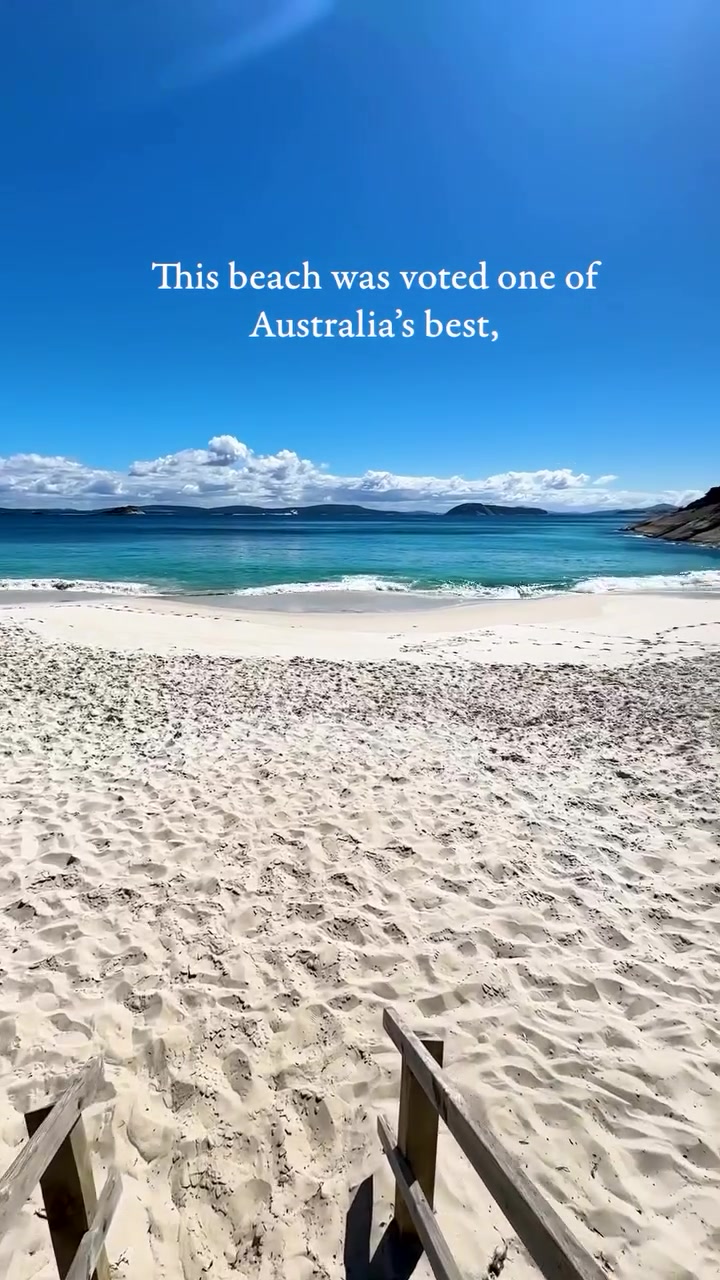
Australia’s beaches stand as iconic symbols of the country’s natural beauty. From the crystal-clear turquoise waters to the pristine white sand and lush green hills, these coastal gems are not just picturesque; they are also some of the most highly regarded beaches in the world. Many of them, including those in this aerial video showcasing Australian beaches, have been voted among the very best. This isn't just about scenic views.
The Glory of Australian Beaches
Aussie beaches are far more than just stretches of sand and sea. Each beach is a unique ecosystem with azure water, soft white sand, and nearby foliage. This creates a visually stunning effect that is soothing to the eye and calming to the spirit. The sprawling views of these beaches, while breathtaking, demonstrate a deeper natural beauty that is unique to Australia. Australia’s coastline stretches over 50,000 kilometers, providing a blurry of diverse beaches. The country’s beaches are diverse: some have rugged cliffs, while others have calm lagoons and low-lying vegetation. Quality water and sand textures make it easy to enjoy beach activities like snorkeling, surfing and general water sports. The varieties make it easy to find a beach that best suits one’s preferences— from secluded shores to bustling hubs. The beaches are more than just a sight to behold. They are a natural ecosystem. They also host wildlife and marine life: birdlife, kangaroos, sea lions, and migrating whales are easily spotted. The visual glory of Australian beaches is also a window into the country’s ecosystem.
The lure of Australia's beauty — and tourism competitiveness
Australia’s beaches are a key attraction, boosting tourism and contributing significantly to the economy. The country's beaches attract millions of tourists each year, with many returning to experience the natural beauty and thriving coastal communities. This contributes to the local economy by offering employment opportunities, hotels and restaurants. This ensures a steady stream of earnings from the tourism sector, which is essential for the country's economic stability. Australia does have a strong awareness of the need to protect the beauty of these beaches. For example, government policies and regulations are formulated to ensure that the tourism and recreational activities on beaches do not harm the environment. This includes controlling pollution and plastic on the beaches, as well as encouraging eco-tourism initiatives. The latter supports sustainable tourism development while also promoting environmental conservation.
The Coastal Breeze Scenarios
Turquoise Oceans and Quaint Shores
The turquoise waters contribute to the overall beauty of Australian beaches. The color is largely due to the sun’s refraction through the shallow waters, which reflect the blue-green light. The shallow waters are also home to a wide variety of marine life, including colorful fish, coral reefs, and sea turtles. Snorkeling and diving are popular activities in these waters, allowing visitors to explore the underwater world up close. One of the best known is offshore the Great Barrier Reef. The surrounding vegetation also reflects the natural beauty of Australian beaches. Australia has a diverse ecosystem, which is reflected in its flora and fauna. The vegetation includes a wide variety of trees, shrubs, and grasses, as well as colorful wildflowers. Some of the beaches, such as those in the Northern Territory, are home to unique plant species that are found nowhere else in the world. The beaches are also home to a diverse range of wildlife, including kangaroos, wallabies, and sea lions.
Australia’s Beach-voted and rewarding
Australian beaches have consistently been voted among the best in the world. The country's beaches attract millions of tourists each year, who come to enjoy the natural beauty and recreational opportunities. Consequently, Australia's beaches have a reputation for being pristine and beautiful. This reputation is reinforced by awards and recognition. For example, several Australian beaches have been awarded the coveted Blue Flag status, which is a prestigious international eco-label. The Blue Flag status is awarded to beaches that meet specific standards for water quality, safety, environmental education, and environmental management. Several Australian beaches have also been included in the top 10 lists by various travel and tourism agencies. Many Australians have also developed a close affinity with Australia’s beaches. The beaches are considered iconic, representing a piece of Australian culture. There is a lot of pride that goes along with this.
Australia’s Beach Activities
Australian beaches offer a wide range of activities, from water sports to leisurely walks. It is easy to find a beach that suits one’s preferences. Diving and snorkeling are popular activities due to the clear waters and diverse marine life. Swimming, surfing, and fishing are also common. For those who prefer a more relaxed experience, beaches offer walking and wildlife watching opportunities. Some beaches also have facilities for dining and shopping, and the scene can get lively, especially in the summer. Visitors can enjoy a meal or drink at a beachside café or restaurant while taking in the stunning views. They can also find unique souvenirs, and items reflecting the beaches and native culture. Amidst all this, many Australians make it a point to take vacations to Australia’s beaches, both homegrown and external tourists alike. Many Aussie beaches provide a gateway to the natural beauty and thriving coastal communities.
A Natural Beauty — but not without challenges
This natural beauty, however, is also facing new threats: climate change, plastic pollution, and coastal development. This is causing a negative impact on the beaches’ ecosystems and the marine life that calls them home. The government and local communities are working on initiatives to protect and preserve these beaches for future generations. Another important aspect of Australian beaches is the cultural significance. The beaches hold a special place in the hearts of many Australians and are often the backdrop for important cultural events and rituals. They serve as gathering places for families and friends during celebrations. The lure of Australian beaches is a balance of natural, cultural and community identity. They serve as an alluring destination for the world while also proving difficult for authorities to protect. They are a source of pride and anger. It is vital that the country’s natural beauty is preserved despite the difficulties. The beauty of Australia’s beaches is a lure for millions, but despite the challenges, the country’s tranquil and sometimes thrilling beaches remain a draw. The serene white sand beaches surrounded by turquoise seas and lush green hills are what many come for. They represent a piece of Australian culture and are a source of pride, but also a challenge for authorities to administer and protect.
Watch the Reel
Questions readers ask
What makes Australian beaches stand out from other beaches around the world?
Australian beaches are renowned for their unique combination of crystal-clear turquoise waters, pristine white sand, and lush green hills. This natural beauty, combined with a diverse range of ecosystems and marine life, makes them truly distinctive. Many of these beaches have also been recognized among the best in the world, adding to their allure.
How do the beaches in Australia contribute to the country's economy?
Australia’s beaches are a major tourist attraction, drawing millions of visitors each year. This influx of tourists supports the local economy by creating jobs in hotels, restaurants, and other tourism-related services. The steady stream of visitors also ensures economic stability, making tourism a crucial sector for Australia.
What kind of wildlife can you expect to see at Australian beaches?
Australian beaches are home to a variety of wildlife, including birdlife, kangaroos, sea lions, and migrating whales. The diverse ecosystems support a rich array of marine life as well, such as colorful fish, coral reefs, and sea turtles, making the beaches a fantastic place for wildlife spotting and activities like snorkeling and diving.
How does Australia ensure the protection of its beaches?
Australia has implemented various government policies and regulations to protect its beaches. These include controlling pollution and plastic waste, as well as promoting eco-tourism initiatives. These measures help to balance tourism and environmental conservation, ensuring that the natural beauty of the beaches is preserved for future generations.
Are there specific regulations in place for tourists to follow when visiting these beaches?
While the article doesn’t specify individual rules, it does mention that regulations are in place to protect the beaches. These would likely include guidelines on waste disposal, respecting wildlife, and adhering to any specific rules for activities like snorkeling or surfing. It’s a good idea to check local guidelines before your visit.
What are some of the most popular beach activities in Australia?
Australian beaches offer a wide range of activities, including snorkeling, surfing, and other water sports. The diverse landscapes, from rugged cliffs to calm lagoons, provide various options for visitors to enjoy. Whether you prefer a secluded shore or a bustling hub, there’s a beach activity to suit everyone’s preferences.
Related deep dives
Similar reads based on topic and creator.



Recent articles
Fresh deep dives from the latest Reels we unpacked.




Comments
Be the first to comment.