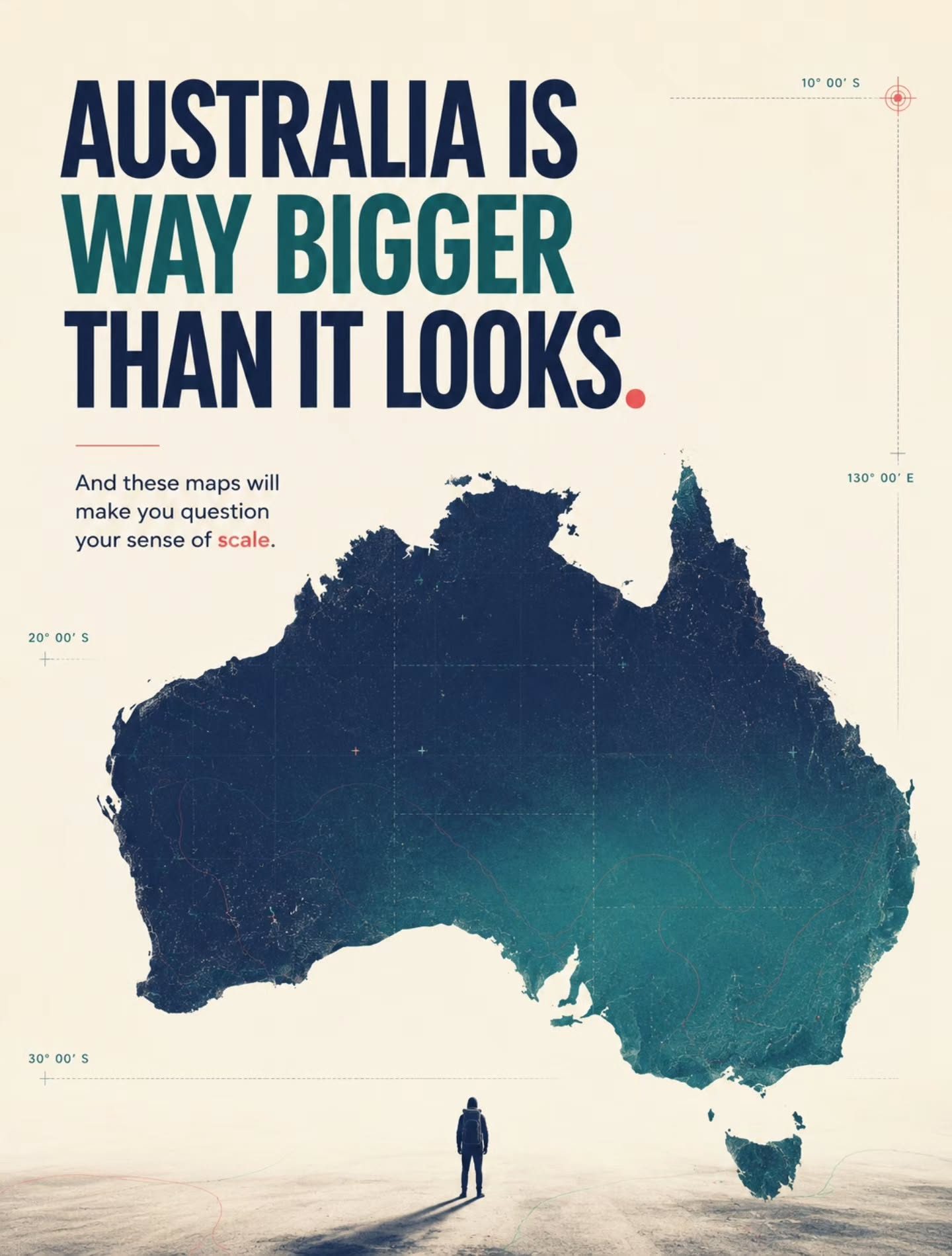
Australia's Size and Geography
Australia is significantly larger than many people realize. Understanding the continent's vast size and unique geographical features is crucial for anyone planning a trip or simply fascinated by its landscape.
Australia's Size and Geography - Tripwiser
Why This Matters
Australia's size often surprises first-time visitors. From the sprawling Outback to the densely populated coastal regions, the country's geography plays a significant role in shaping its culture, infrastructure, and lifestyle. Knowing the distances and population distribution can help travelers plan their journeys more effectively and appreciate the diverse experiences Australia offers.
Main Discussion
The Vast Scale of Australia
Australia is the sixth-largest country by land area, covering approximately 7.69 million square kilometers. To put this into perspective, it's roughly the same size as the 48 contiguous states in the U.S. This vast expanse means that even a simple journey from one major city to another can take days. For example, a road trip from Sydney to Perth is approximately 3,900 kilometers and takes around 41-44 hours of driving time, depending on the route and stops.
The Sydney to Perth Road Trip
The Sydney to Perth route is one of the most iconic road trips in the world. This journey takes you through diverse landscapes, including the rugged beauty of the Nullarbor Plain, the vibrant cities of Adelaide and Melbourne, and the stunning coastal drives along the Great Ocean Road. The sheer distance and time required for this trip highlight Australia's immense size and the challenges of connecting its major cities.
Population Distribution
Despite its vast landmass, Australia has a relatively small population of around 26 million people, most of whom live in coastal regions. This concentration of people along the coast is due to several factors, including access to water, fertile soil for agriculture, and the historical development of cities near ports.
In contrast, the Outback, which covers a significant portion of the country, is sparsely populated. The harsh climate, lack of resources, and challenging terrain make it difficult for people to settle in these areas. The Outback's sparse population highlights the stark contrast between Australia's urban and rural environments.
Coastal versus Outback Life
Living in Australia's coastal regions offers a different experience compared to life in the Outback. Coastal cities like Sydney, Melbourne, and Brisbane provide access to beaches, vibrant cultural scenes, and a wide range of amenities. These cities are hubs for tourism, business, and education, attracting people from all over the world.
On the other hand, the Outback offers a more remote and rugged lifestyle. Towns and communities in these areas often rely on mining, agriculture, and tourism. The Outback's vast expanses and unique landscapes provide opportunities for adventure, wildlife viewing, and a deep connection with nature. However, the isolation and harsh conditions can be challenging, requiring a resilient and resourceful mindset.
Practical Tips
Planning a Road Trip
If you're planning a road trip in Australia, it's essential to consider the distances and time required to travel between destinations. Here are some practical tips:
- Choose Your Route Wisely: Plan your route based on the time you have and the experiences you want to have. For a long road trip like Sydney to Perth, consider breaking it down into smaller sections and taking breaks in major cities or towns along the way.
- Prepare for Remote Areas: When traveling through the Outback, always carry extra water, food, and fuel. Let someone know your travel plans and expected arrival times, and ensure your vehicle is well-maintained.
- Explore Coastal Towns: While the Outback offers unique experiences, don't miss the opportunity to explore Australia's coastal towns and cities. These areas provide a rich cultural experience, beautiful beaches, and vibrant communities.
Understanding Population Density
To better grasp Australia's population distribution:
- Focus on Coastal Cities: Plan your visits around the major coastal cities, where most people and activities are concentrated. These cities offer a wide range of accommodations, dining, and entertainment options.
- Explore the Outback: For a more adventurous trip, spend some time in the Outback. This region offers a unique perspective on Australia's vast and rugged landscapes, but be prepared for the isolation and limited amenities.
Important Takeaways
Australia's size and geography offer a unique blend of challenges and opportunities. Understanding the vast distances and population distribution can help you plan your trip more effectively and make the most of your experiences. Whether you're exploring the bustling coastal cities or venturing into the rugged Outback, Australia has a lot to offer for travelers willing to embrace its diverse landscapes.
Conclusion
Australia's size and geography are central to its identity. The vast distances, unique landscapes, and diverse population distribution create a rich tapestry of experiences for travelers. By understanding these geographical factors, you can plan a more informed and enjoyable trip, whether you're embarking on a long road trip or exploring the country's vibrant coastal regions. Embrace the adventure, and let Australia's vast and beautiful landscapes inspire your journey.
Watch the Reel
Questions readers ask
How does Australia's size impact travel plans?
Australia's vast size means that travel times between major cities can be extensive. For instance, a road trip from Sydney to Perth covers about 4,000 kilometers and takes several days. Planning for long travel times and considering flights for longer distances can make trips more manageable.
Why is most of Australia's population concentrated along the coast?
The coastal regions of Australia are home to most of the population due to factors like access to water, fertile soil, and a more temperate climate. These areas also have better infrastructure, including roads, cities, and job opportunities, making them more livable and attractive for residents.
What is the population density like in the Outback?
The Outback, which covers a significant portion of Australia, is sparsely populated. Major cities or towns are few and far between. It is common for long distances to separate even small communities, impacting the infrastructure and services available in the area.
How does Australia's geography influence its infrastructure?
Australia's massive landscape and sparse population in many areas pose challenges for infrastructure development. Roads, public transportation, and services are more concentrated in coastal and urban areas, while remote regions may have limited access to these amenities.
What are some key differences between coastal and Outback populations in Australia?
Coastal populations enjoy more developed infrastructure, better access to services, and a larger variety of job opportunities. In contrast, Outback residents often experience a slower pace of life, closer community ties, and a unique connection to the natural environment, though they might face challenges related to access to services and amenities.
How does Australia's size and population distribution affect road trips?
Australia's vast size means that road trips can be quite lengthy and challenging, requiring careful planning and preparation. Long distances between major towns and cities mean that travelers should be prepared with adequate supplies, fuel, and emergency provisions.
Why is understanding Australia's size and population distribution important for travelers?
Understanding these factors allows travelers to appreciate the unique experiences available in different parts of the country. It also helps in planning realistic itineraries and making informed decisions about travel modes, routes, and the time needed to explore various regions effectively.
Related deep dives
Similar reads based on topic and creator.




Recent articles
Fresh deep dives from the latest Reels we unpacked.




Comments
Be the first to comment.