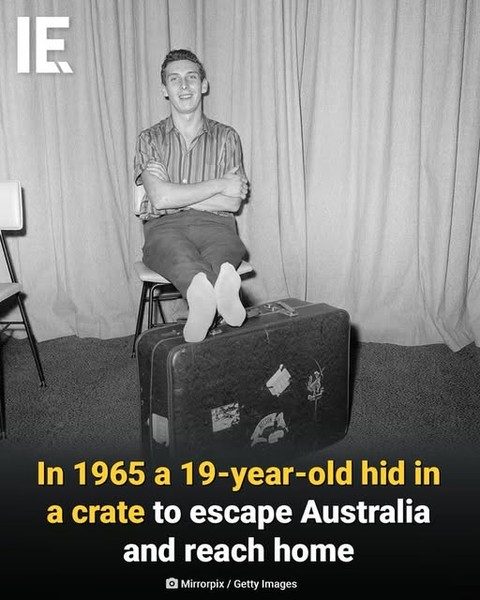
The Audacious Escape of Brian Robson: A Stowaway’s Dangerous Journey from Australia
In 1965, a 19-year-old named Brian Robson embarked on an extraordinary and dangerous journey to escape Australia and return home to the UK. His audacious plan involved hiding in a small wooden crate marked “Fragile.” This bold stunt not only showcases the lengths to which people will go to achieve their goals but also highlights the risks associated with such desperate measures.
Why This Matters
Robson's story underscores the historical context of stowaways and the lengths people will go to realize their dreams. His journey also raises questions about the safety and logistics of such dangerous adventures. Understanding this tale provides a deeper appreciation for the risks and rewards of unconventional travel methods, especially in the context of aviation and migration.
The Journey
Planning the Escape
A 19-year-old named Brian Robson faced a 1965 Australia with a plan: Hide inside a small wooden crate and hope to find his way back home to the UK. He packed his crate with essentials including a pillow, flashlight, Beatles songbook, and a limited amount of water. His goal was to reach London, yet the journey was fraught with challenges. The crate had to be marked "Fragile" to allow a smooth passage and hopefully avoid inspections.
The Stowaway’s Life Inside the Crate
Robson endured nearly 92 hours in the dark. Packed with limited supplies, he navigated the pitch-black interior of the crate, relying on his flashlight for brief moments of illumination. His journey was not supposed to take this long — it was a one-hour flight from Melbourne to Sydney, but the crate was rerouted to Los Angeles. He had to shift massively from his mental perspective to manage his time inside the crate. The environment inside was suffocating and claustrophobic, making him question his decision deeply.
The Discovery and Aftermath
Instead of reaching London, Brian Robson’s crate was rerouted to Los Angeles. There, airport workers finally spotted him, bringing an end to his perilous journey. Robson’s story serves as a cautionary tale about the risks and uncertainties associated with such desperate measures. His ordeal highlights the potential dangers and the importance of considering alternatives when facing challenging circumstances.
Practical Tips for Understanding Stowaway Stories
Research and Preparation
When planning any unconventional journey, thorough research and preparation are essential. Brian Robson’s story shows the importance of understanding the routes, potential rerouting, and logistics involved. His crate was rerouted, leading to a significantly longer and more dangerous ordeal than anticipated. Knowing the risks can help mitigate potential dangers.
Safety and Supplies
Even though Robson’s crate had basic supplies, it was insufficient for the extended duration of his journey. Including essentials like food, water, and medical supplies can enhance safety, especially when facing unexpected delays. Highlighting the supplies that were helpful could help guide future travelers.
Legal and Ethical Considerations
It’s crucial to consider the legal and ethical implications of such journeys. Stowaways face serious legal consequences and potential risks to their safety and well-being. Robson’s story emphasizes the importance of exploring legal and safe alternatives to achieve one’s goals.
Important Takeaways
Brian Robson’s journey highlights several key takeaways:
- Planning and Research: Thorough preparation and understanding of the journey’s logistics are crucial for any unconventional travel method.
- Safety Measures: Packing essential supplies and considering potential delays can enhance safety and well-being.
- Legal and Ethical Considerations: Understanding the legal and ethical implications of such journeys is essential for making informed decisions.
Conclusion
Brian Robson’s audacious attempt to escape Australia by hiding in a crate showcases the lengths people will go to achieve their goals. His story serves as a cautionary tale about the risks and uncertainties associated with such desperate measures. Understanding the historical context, logistics, and safety aspects of unconventional travel methods can provide valuable insights for future adventurers and travelers.
Watch the Reel
Questions readers ask
What motivated Brian Robson to attempt such a dangerous escape from Australia in 1965?
Brian Robson, a 19-year-old at the time, was driven by a strong desire to return home to the UK. His audacious plan to hide in a wooden crate marked "Fragile" highlights the lengths people will go to achieve their goals despite the significant risks involved.
How long did Brian Robson spend in the crate during his escape from Australia?
Brian Robson endured an astonishing 92 hours in a suffocating, pitch-black crate. This period included a devastating flight delay, making his journey even more harrowing.
What kind of crate did Brian Robson hide in for his escape from Australia?
Brian Robson hid in a small wooden crate marked "Fragile." This choice of hiding place was crucial to his plan, as it was intended to be loaded onto a flight, and was potentially overlooked by workers during loading and unloading.
What challenges did Brian Robson face during his escape from Australia in the crate?
Brian Robson faced numerous challenges, including a prolonged period of extreme discomfort, a lack of oxygen, and the psychological stress of being trapped in a confined, dark space. Additionally, a flight delay extended his ordeal.
What does Brian Robson's story reveal about the resilience of people in pursuit of their dreams?
Brian Robson's story showcases extraordinary resilience. His journey to escape Australia in 1965 demonstrates the mental and physical fortitude required to endure harsh conditions and overcome obstacles to achieve personal goals.
What risks did Brian Robson take when he hid in a crate to escape Australia in 1965?
By hiding in a crate, Brian Robson risked severe physical harm, suffocation, and even death. The harsh conditions and the unpredictable nature of his journey made his escape attempt extremely dangerous.
Related deep dives
Similar reads based on topic and creator.




Recent articles
Fresh deep dives from the latest Reels we unpacked.




Comments
Be the first to comment.