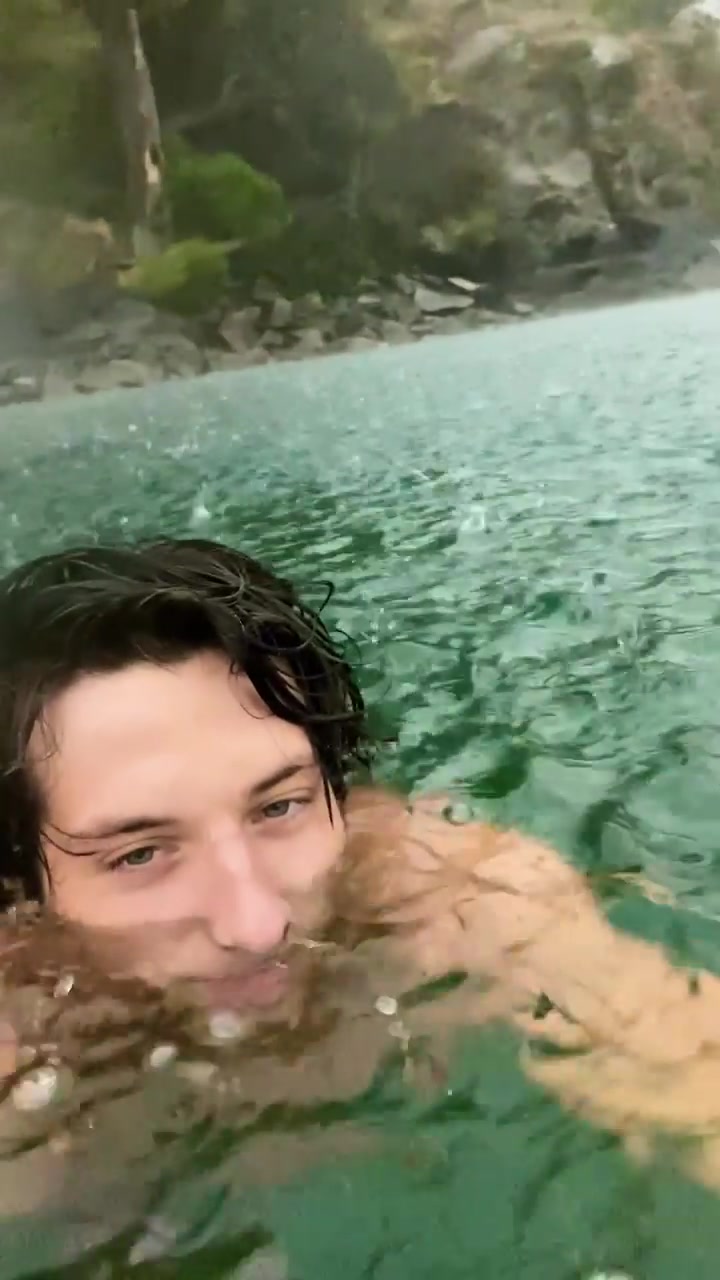
Mountain Lake Swimming: An Unexpected Journey
There's a certain allure to mountain lakes – the serene waters cradled by towering peaks, often reached only after strenuous hikes. But what about the less invigorating or often overlooked ingredient: rain? Few things in life are as refreshing as a mountain lake swim during a downpour. It's a test of endurance that ensures swimming with rain is an escalating challenge, and a contradiction of sorts. This is what sets it apart from swimming in pools or other bodies of water – rain, altitude, and mountainous terrain surrounding aquatic adventure.
Mountain Dynamics
A swim in the mountains is a rare delight, and when the rain hits and impacts the water, it takes any swimming experience to the next level. The water’s surface transforms into a dancing terrain of ripples and waves as the raindrops descend. Despite the rain and the unpredictability, swimming in a lake offers an exhilarating mixture of calm and challenge. The challenge of mountain swimming in the rain should not be underestimated. Rain adds an extra layer of difficulty to a swimming pool – and even during the rain, the element of surprise is always present. This is not like traditional swimming pools or indoor facilities. The exhilaration and unpredictability of swimming in a mountain lake, with the rain pelting your face and body, making it an unforgettable experience. This is where my journey begins and the experience of mountain lake swimming truly comes to life.
The Appeal of Adventure
As more people embrace outdoor recreation, lake swimming has emerged as an appealing alternative to traditional pool workouts. It's part of a broader trend towards outdoor activities offering both fitness and adventure. For many, mountain lake swimming is as much about the journey as the destination. The rugged landscapes, crisp mountain air, and the primal thrill of submerging in a lake take the swim more than just a swim. Swimming in a lake provides an immersive experience, offering a sense of tranquility and connection with nature. The water, fed by glacial melt and rain, tends to vary in temperature, providing a full-body challenge. The scenery, with its majestic mountains, transforms the swim into a meditative adventure.
Elements of Lake Swimming
Preparing for the Challenge
One of the unique elements of swimming in a mountain lake is the ability to switch essentials quickly. Since the weather can be unpredictable, it is wise to bring several items of clothing. During the descent, the water temperature often drops and if you have a few extra layers it can make all the difference. Pack a dry change of clothes, a towel, and waterproof gear. The right equipment can turn a potentially chilling experience into a rewarding one.
Climate Dynamics
The climate of mountain lakes creates a dynamic environment that affects the swimming experience. The air temperature is cooler, which can make the water feel warmer. However, the rain adds an extra layer of complexity, with the possibility of choppy waters and sudden temperature fluctuations. These elements create an ever-changing landscape that keeps the swimmer on their toes.
Exploring the Depths
The mountainous terrain surrounding the lake often means the water is deeper and colder than in other bodies of water. This depth introduces a sense of exploration, as swimmers can navigate different layers of the lake. The water’s clarity, affected by the rain, can make the swimming experience feel surreal and otherworldly. It adds an element of exploration and mystery that is unique to mountain lake swimming.
Health and Risks
Mountain lake swimming isn't without its risks. The water can be cold, and the terrain can be challenging. It's crucial to assess your fitness level and consult with a medical professional before attempting mountain lake swimming. But by taking the right precautions and being prepared, you can mitigate risks and enjoy the adventure. If the water is too choppy, swimming can be more challenging. During the rain, it’s crucial to remain safe and avoid any dangerous currents or debris. Hypothermia is also a risk, so it's essential to stay warm and dry after your swim. This will help you get the full benefits of this unique swimming experience.
Navigating the Adventure
Swimming in a mountain lake requires careful navigation, both in terms of physical challenges and emotional readiness. The best swimmer will have to be prepared to handle the treacherous waters of mountain lakes. The water temperature can be cold, and the terrain can be unforgiving, so it’s essential to be prepared for these challenges before embarking on your adventure. Begin with a warm-up swim in a pool or another body of water to get your muscles ready for the challenge.
- Take a breaks: Breaks are essential when swimming in a lake, especially when it’s raining. Take regular breaks to rest and hydrate, and take a quick moment to just sit and watch the rain.
- Safety is Key: Always swim with a partner or in a group, and make sure someone knows where you are. Carry a whistle or other safety devices in case of an emergency.
- Dress Appropriately: Wear a wetsuit or other protective gear, and bring a change of clothes and a towel. Make sure to bring waterproof gear if the rain is heavy.
- Avoid Swells: The rain can create choppy water, making it difficult to navigate during a swim. If the water is too choppy, it’s best to avoid swimming during a downpour. If the water is too choppy, it can be challenging to navigate.
- Customize the Experience: Customize the experience to suit your preferences. Add a touch of adventure by swimming in different weather conditions or exploring underwater caves and rock formations. Navigating the challenges of mountain lake swimming requires a combination of physical preparation, mental readiness, and the right gear. By planning and taking the necessary precautions, you can ensure a safe and rewarding experience.
The Rocky End
The beauty of mountain lake swimming lies in its unpredictable and rewarding nature. The mounting layers of difficulty and surprise force the swimmer to adapt quickly. The challenge of navigating the choppy waters, the adventure of exploring the depths, and the tranquility of the serene beauty of surrounding it all. By being prepared and taking the necessary precautions, you can ensure a safe and rewarding experience. The rain adds an extra layer of surprise and excitement, making each swim a unique and memorable adventure. These moments of vulnerability and resilience make the journey not just about the swim but a story of human endurance.
Watch the Reel
Questions readers ask
What makes swimming in a mountain lake during rain different from swimming in a pool?
Swimming in a mountain lake during rain is far more unpredictable and dynamic than swimming in a pool. The rain creates ripples and waves on the water's surface, and the cooler mountain air can make the water feel warmer in comparison. Plus, the surrounding rugged terrain and crisp air add to the overall adventure, making it a unique and immersive experience.
How does the rain affect the swimming experience in a mountain lake?
Rain significantly impacts the swimming experience by creating a dynamic and unpredictable water surface with ripples and waves. This adds an extra layer of challenge and excitement, as swimmers must navigate the changing conditions. The rain also adds an element of surprise, making the swim more exhilarating and memorable.
What should I bring with me if I plan to swim in a mountain lake during rain?
It's essential to be prepared for the unpredictable weather. Bring several layers of clothing, a dry change of clothes, a towel, and waterproof gear. These items can help you stay comfortable and safe, turning a potentially chilling experience into a rewarding one. Always prioritize safety and be ready to adapt to changing conditions.
Is swimming in a mountain lake during rain suitable for beginners?
Swimming in a mountain lake during rain is generally more suitable for experienced swimmers due to the added challenges and unpredictable conditions. Beginners might find the dynamic water surface and cooler temperatures more demanding, so it's important to assess your swimming skills and comfort level before attempting this adventure.
How does the altitude affect the swimming experience in a mountain lake?
The altitude in mountain lakes can make the air feel thinner and cooler, which might make the water feel warmer in comparison. However, the rain can create choppy waters and sudden temperature fluctuations, adding to the overall challenge. This dynamic environment keeps swimmers engaged and on their toes, making the experience more thrilling.
Can I swim in a mountain lake during rain if I am not a strong swimmer?
If you are not a strong swimmer, it might be best to avoid swimming in a mountain lake during rain. The unpredictable conditions and dynamic water surface can be challenging even for experienced swimmers. It's crucial to prioritize safety and consider your swimming abilities before attempting this adventure.
What are the benefits of swimming in a mountain lake during rain?
Swimming in a mountain lake during rain offers a unique blend of adventure and tranquility. The immersive experience, combined with the majestic scenery and the primal thrill of submerging in a lake, makes it a memorable adventure. It's a full-body challenge that engages all your senses, providing a sense of connection with nature.
Related deep dives
Similar reads based on topic and creator.




Recent articles
Fresh deep dives from the latest Reels we unpacked.

Comments
Be the first to comment.