What Are They Catching in the Ganges River?
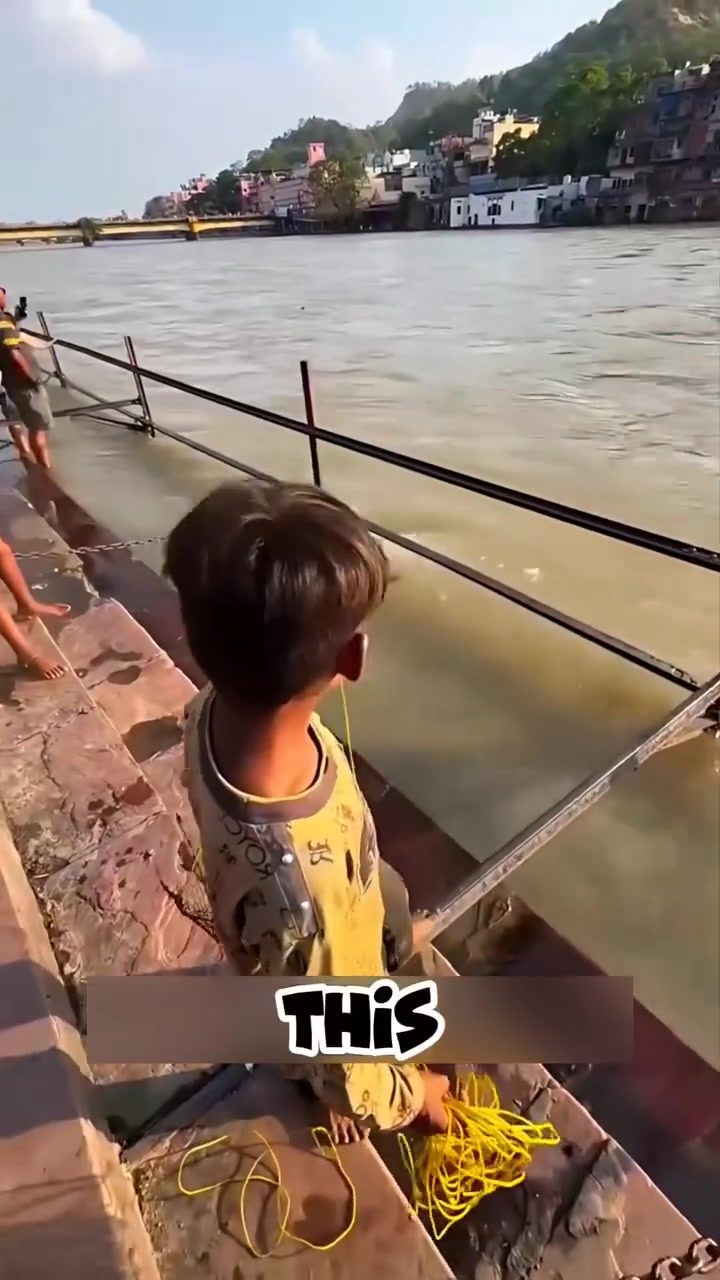
The Ganges River in India is more than just a waterway; it is a lifeline that holds deep cultural and religious significance. Along its banks, a unique tradition unfolds: children waiting with funnel-shaped nets to catch objects floating downstream. This practice, while seemingly simple, is a blend of skill, tradition, and ingenuity.
Context: The Ganges River and Its Devotees
The Ganges, known as the Ganga to Hindus, is considered sacred. Devotees perform various rituals along its banks, including the offering of coconuts, flowers, and coins. These offerings are believed to symbolize purity, blessings, and the removal of sins. The act of throwing these items into the river is a deeply rooted religious practice that has been passed down through generations.
The Skill of Catching
Children along the Ganges River employ a surprising level of skill to catch these offerings. They use funnel-shaped nets attached to ropes, waiting patiently for objects to drift by. When an object appears on the water, they swiftly throw their nets with impressive accuracy, often snatching the item in one go. This task requires more than just physical dexterity; it involves predicting the object's path and timing the net throw perfectly.
What Are They Catching?
Most of the time, the children catch coconuts. These coconuts are thrown into the river by devotees as part of their religious rituals. The surprising part is that many of these coconuts are recovered just a short distance downstream. The children also collect flowers, coins, and even cash. These offerings, once used in rituals, often find a second life as they are reused or sold in local markets.
The Economic and Cultural Significance
The practice of catching these offerings has both economic and cultural significance. For the children, it can be a source of income, helping to support their families. The reusability of these items in local markets adds another layer to the cycle of life along the river. What starts as a religious offering can end up as a commodity, illustrating the interconnectedness of spiritual and economic activities in this region.
The Metaphorical Journey
The text overlays in the video — "THIS," "SYMBOLIZING," and "LIFE" — add a metaphorical layer to the journey. The river, the children, and the offerings collectively symbolize the journey of life. The river itself represents the journey through life, with the offerings and the children's activities serving as various experiences and challenges encountered along the way. This metaphorical representation underscores the deep cultural and philosophical significance of the Ganges River to the people of India.
Practical Tips for Understanding the Tradition
If you ever find yourself along the Ganges River and witness this tradition, here are a few tips to enhance your experience:
- Observe from a Respectful Distance: The children are focused and skilled at their task. Enjoy their work without disturbing them.
- Ask Locals: The best way to understand the significance of the offerings is to ask locals. They can provide insights into the cultural and religious context.
- Look for Symbols: Pay attention to the symbols used in the rituals. Each item, whether it's a coconut, a flower, or a coin, carries a specific meaning.
- Explore the Markets: Visit local markets to see how these offerings are reused. It can provide a unique perspective on the local economy and culture.
Important Takeaways
- Cultural Significance: The Ganges River holds immense cultural and religious significance, with rituals and offerings deeply rooted in tradition.
- Skill and Ingenuity: The children's ability to catch these offerings showcases a level of skill and ingenuity that goes beyond simple observation.
- Economic and Cultural Interconnectedness: The reusability of these offerings in local markets highlights the interconnectedness of spiritual and economic activities.
- Metaphorical Representation: The river and its activities symbolize the journey of life, reflecting the deep philosophical and cultural beliefs of the people.
Conclusion
The Ganges River is a testament to the interconnectedness of religion, culture, and economics. The tradition of children catching offerings along its banks is a fascinating glimpse into this world. From the spiritual significance of the offerings to the skill required to catch them, and the economic reuse of these items, it's a cycle of life that is both profound and practical. The next time you encounter this tradition, understand that it's not just a sight to see, but a living, breathing part of the lives of the people who call the Ganges River their lifeline.
Watch the Reel
Related deep dives
Similar reads based on topic and creator.




Recent articles
Fresh deep dives from the latest Reels we unpacked.




Comments
Be the first to comment.