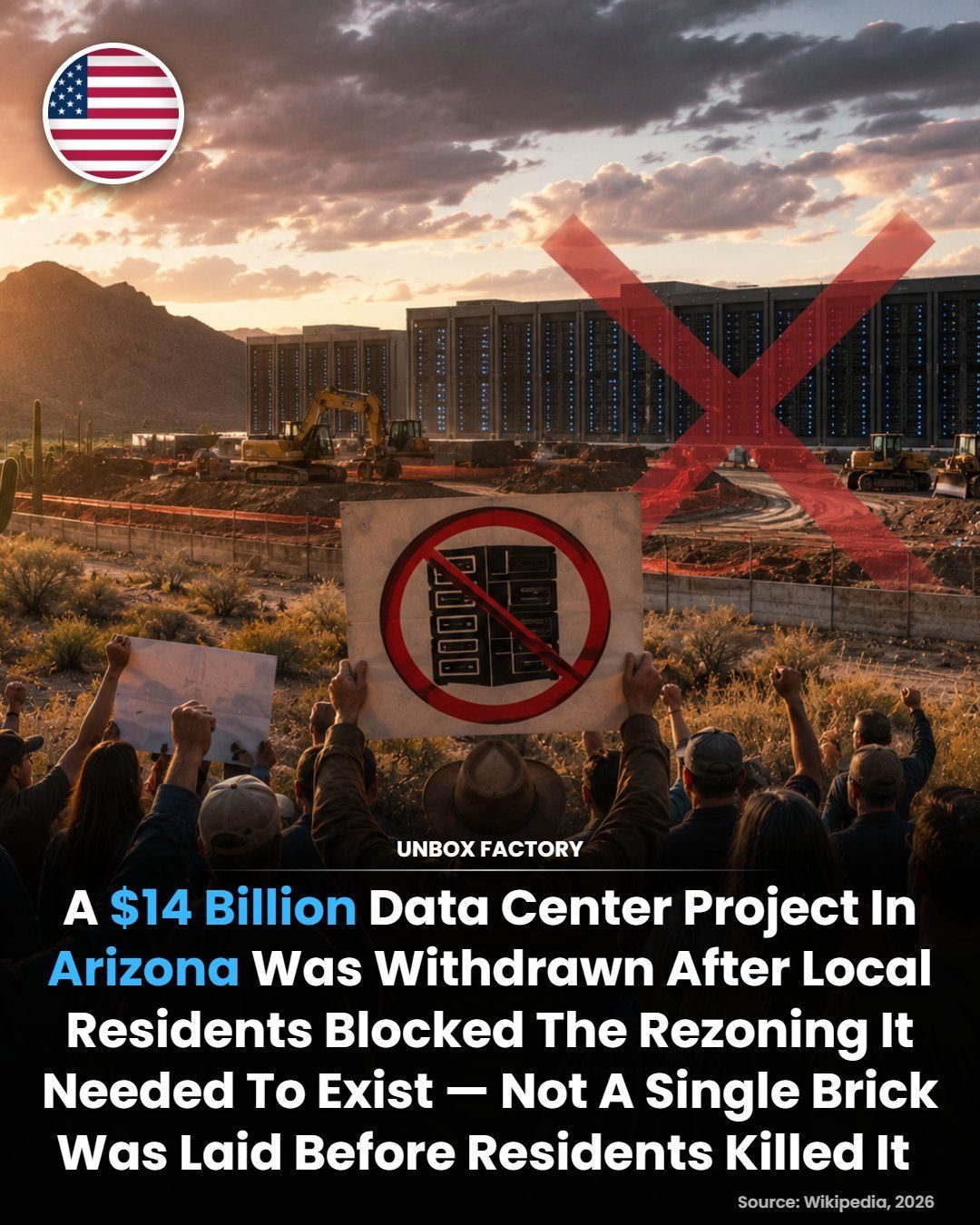
Data Center Project Blocked in Arizona
A proposed $14 billion hyperscale data center campus in Arizona was abandoned after local residents successfully opposed the zoning changes required for construction. This decision highlights the growing scrutiny that large AI infrastructure projects are facing across the nation.
Why This Matters
Local residents' opposition to the data center project in Arizona underscores the significant impact that such large-scale infrastructure projects can have on communities. The concerns raised by residents, including electricity demand, water consumption, traffic, environmental impacts, and long-term effects on nearby neighborhoods, are increasingly shaping the approval process for these projects.
The Details of the Project and Opposition
The proposed data center in Arizona was a massive endeavor, valued at $14 billion. It was intended to be a hyperscale data center campus, which are designed to support the vast computational needs of modern AI and cloud services. These data centers can consume immense amounts of resources—hundreds of megawatts to over 1 gigawatt of electricity, along with millions of gallons of water per day for cooling. Given these demands, the project required significant zoning changes to proceed, which is where the opposition from local residents came into play.
Residents raised several critical concerns:
- Electricity Demand: Modern AI data centers can consume hundreds of megawatts to over 1 gigawatt of electricity. This massive demand can strain the local power grid.
- Water Consumption: Data centers require millions of gallons of water per day for cooling, which can significantly impact local water supplies.
- Traffic: The influx of construction workers, employees, and increased traffic related to the data center could cause congestion and safety issues.
- Environmental Impacts: Concerns over deforestation, greenhouse gas emissions, and other environmental impacts were also cited.
- Long-term Effects: Residents worry about the long-term effects on property values, noise pollution, and the overall quality of life in their neighborhoods.
The Nationwide Trend
The Arizona decision is part of a broader trend where local governments and residents are demanding greater scrutiny of large AI infrastructure projects. The approval process for such projects is becoming more rigorous, with local authorities and communities seeking assurances that these projects will not adversely affect their areas. This trend reflects a growing awareness of the environmental and social impacts of large-scale infrastructure projects and a push for more sustainable and community-friendly development.
Practical Tips for Local Governments and Communities
Engaging with Stakeholders
To ensure that large infrastructure projects proceed smoothly and with minimal disruption, it is crucial for developers and local governments to engage proactively with stakeholders. This includes holding public consultations, addressing concerns transparently, and involving the community in the decision-making process. Doing so can mitigate opposition and build a sense of shared purpose.
Environmental Impact Assessments
Conducting comprehensive environmental impact assessments (EIAs) is essential. These assessments should be thorough and consider the long-term effects on air and water quality, wildlife, and local ecosystems. Transparency in these assessments can build trust and address concerns about environmental degradation.
Water and Energy Management
Developing sustainable water and energy management strategies is critical. This includes adopting renewable energy sources, implementing efficient cooling systems, and conserving water. Such strategies not only address environmental concerns but can also lower operating costs in the long run.
Transportation and Infrastructure Planning
Planning for increased traffic and infrastructure needs is vital. This involves upgrading local roads, ensuring public transportation is adequate, and planning for future growth. By addressing these concerns, developers can alleviate fears about traffic congestion and its related impacts.
Important Takeaways
- Community Involvement: Engaging with and involving the local community from the start can prevent opposition and ensure that concerns are addressed.
- Sustainability: Prioritizing sustainable practices in water and energy management is essential for minimizing long-term environmental impacts.
- Transparency: Being transparent about environmental impact assessments and addressing concerns openly builds trust and support.
- Infrastructure Planning: Comprehensive planning for transportation and infrastructure needs can mitigate concerns about traffic and congestion.
Conclusion
The abandonment of the $14 billion data center project in Arizona serves as a cautionary tale for developers and local governments. It highlights the importance of engaging with the community, conducting thorough environmental assessments, and planning for sustainable resource management. As the demand for large-scale AI infrastructure continues to grow, these principles will become increasingly important in ensuring that such projects are both viable and community-friendly.
Watch the Reel
Questions readers ask
Why was the $14 billion data center project in Arizona abandoned?
The project was abandoned due to strong local opposition. Residents voiced concerns over the significant resource demands, including electricity and water usage, and the potential long-term impacts on the community, such as increased traffic and environmental changes.
What specific concerns did local residents raise about the data center?
Residents expressed worries about the data center's high electricity demand, substantial water consumption, and the potential for increased traffic. Additionally, they were concerned about the environmental impacts and how the project might affect neighborhood dynamics.
What does this abandonment indicate about future large-scale projects in the U.S.?
The abandonment of this project signals that local communities are increasingly scrutinizing large-scale infrastructure proposals and holding decision-makers accountable for their environmental and societal impact.
What role did zoning changes play in the opposition to the data center?
The data center required specific zoning changes for construction, which became a focal point for local opposition. Residents successfully protested these changes, ultimately leading to the project's abandonment.
What are the potential long-term impacts of data centers on communities?
Long-term impacts can include increased utility costs due to high resource consumption, changes in local infrastructure to accommodate increased traffic, and potential environmental degradation.
Were there any other factors contributing to the project's failure beyond local opposition?
While local opposition was the primary reason, other factors may have also influenced the project's failure. These could include broader regulatory challenges, economic considerations, and shifts in strategic priorities for the companies involved.
What steps can be taken to mitigate community concerns in future data center projects?
Future projects can address community concerns by engaging in transparent dialogue with residents, conducting comprehensive environmental impact assessments, and implementing sustainable resource management practices. Collaborative planning and addressing local infrastructure needs can also help alleviate concerns.
Related deep dives
Similar reads based on topic and creator.




Recent articles
Fresh deep dives from the latest Reels we unpacked.




Comments
Be the first to comment.