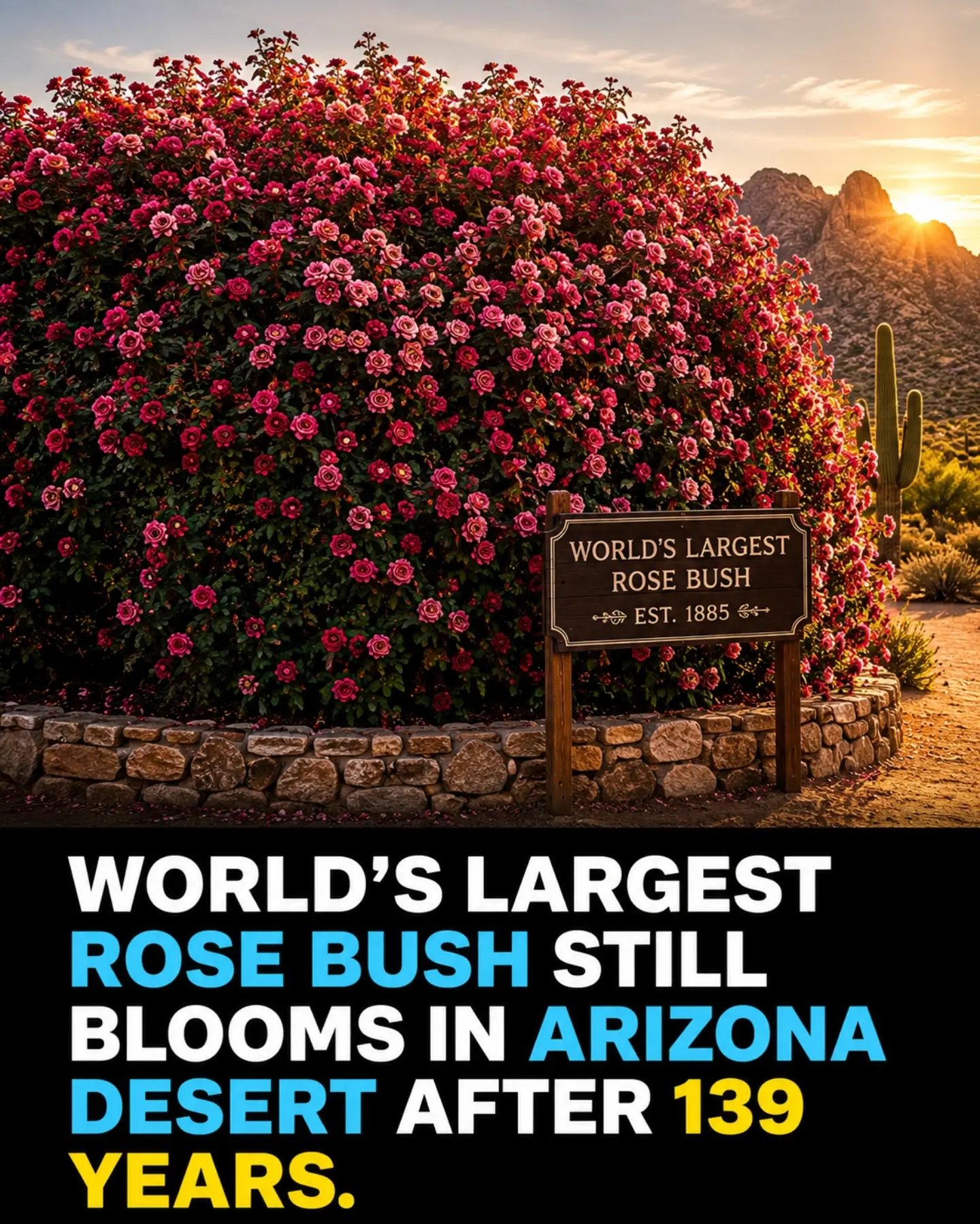
Arizona's Largest Rose Bush
Nestled in the heart of Arizona stands a botanical marvel: the World's Largest Rose Bush. This isn't just a claim; it's a fact supported by the bush's impressive size and an astonishing history that spans nearly a century and a half. The rose bush, located in the Arizona desert, has been blooming continuously since 1885, making it a unique and enduring landmark that attracts both locals and tourists alike. The desert landscape, often stark and arid, provides a striking contrast to the lush greenery and vibrant blooms of this colossal rose bush, protected by a stone wall, adding to its mystique.
Context / Why this matters
The World's Largest Rose Bush is more than just a tourist attraction; it's a symbol of resilience and longevity. In a region known for its harsh desert environment, this rose bush thrives, defying the odds year after year. Understanding the unique conditions that allow this plant to flourish can provide insights into desert horticulture and the adaptability of certain plant species.
Location and History
The rose bush is situated in the Arizona desert, a region characterized by its hot, dry climate and sparse vegetation. Despite these challenging conditions, the rose bush has managed to not only survive but also thrive, making it a remarkable example of plant resilience. The bush was established in 1885, which means it has been blooming for an incredible 139 years. Its longevity is a testament to the hardiness of the plant and the care it has received over the decades.
Unique Features
One of the most striking features of this rose bush is its size. The bush is known as the "World's Largest Rose Bush," a title that it has earned through its sheer magnitude. The plant is a visual spectacle, standing out against the desert backdrop with its lush foliage and vibrant blooms. The surrounding stone wall adds to the bush's allure, creating a serene and protected space that invites visitors to marvel at its beauty.
Main discussion
The Science Behind its Longevity
Several factors contribute to the longevity and health of the World's Largest Rose Bush. The first is the unique climate of the Arizona desert. While it might seem counterintuitive, the dry air and intense sunlight can be beneficial for certain plants, including roses. The arid environment helps to keep pests and diseases at bay, reducing the need for pesticides and other chemicals.
Another critical factor is the soil. The desert soil in Arizona is often rich in minerals and nutrients that support plant growth. Over the years, the soil around the rose bush has likely been enriched with organic matter and compost, providing the necessary nutrients for sustained growth.
Maintenance and Care
Caring for a plant of this magnitude requires dedication and expertise. The World's Largest Rose Bush is no exception. Over the years, it has received meticulous care from gardeners and horticulturists who understand the unique needs of the plant. Regular pruning, watering, and fertilization are essential to maintain the bush's health and encourage continuous blooming.
Environmental Adaptation
The rose bush's ability to adapt to the desert environment is a fascinating study in plant biology. Roses are typically associated with temperate climates, but this particular bush has adapted to thrive in the harsh conditions of the Arizona desert. This adaptation is a result of both natural selection and careful cultivation, demonstrating the resilience of plant life and the potential for horticultural innovation.
Practical tips
Growing Roses in the Desert
If you're inspired to grow roses in a desert environment, there are several tips to keep in mind:
- Choose the Right Variety: Not all rose varieties are suited to desert climates. Research and select varieties known for their drought tolerance and heat resistance.
- Sunlight and Shade: Roses require ample sunlight, but they also need protection from the intense midday sun. Planting them in areas with partial shade during the hottest part of the day can help.
- Soil Preparation: Ensure the soil is well-draining and rich in organic matter. Adding compost and mulch can help retain moisture and provide necessary nutrients.
- Watering: While desert plants require less water, roses still need regular hydration. Use a drip irrigation system to deliver water directly to the roots, minimizing evaporation.
- Pest and Disease Management: Regularly inspect your roses for signs of pests and diseases. Natural remedies and organic treatments can be effective in keeping your roses healthy without harming the environment.
Visiting the World's Largest Rose Bush
If you're planning a trip to Arizona, a visit to the World's Largest Rose Bush is a must. Here are some tips to make the most of your experience:
- Best Time to Visit: The best time to visit the rose bush is during the spring and fall, when the weather is mild, and the blooms are at their peak.
- What to Bring: Bring plenty of water, sun protection, and comfortable walking shoes. The desert can be unforgiving, so it's essential to be prepared.
- Photography Tips: The bush provides a stunning backdrop for photos. Consider bringing a tripod and a camera with a wide-angle lens to capture the full scope of the plant.
Important takeaways
The World's Largest Rose Bush in Arizona is a remarkable testament to the resilience of plant life and the wonders of horticulture. Its longevity, size, and beauty make it a unique landmark that inspires awe and curiosity. By understanding the factors that contribute to its success, gardeners and horticulturists can gain valuable insights into growing roses in challenging environments.
Conclusion
The World's Largest Rose Bush stands as a symbol of endurance and adaptation in the heart of Arizona's desert. Its continuous blooming for over a century is a marvel of nature and human care. Whether you're a botanist, a gardener, or simply someone who appreciates natural wonders, a visit to this iconic rose bush is an experience that will leave a lasting impression. Its story serves as a reminder of the incredible potential of plants and the importance of preserving and appreciating natural beauty.
Watch the Reel
Questions readers ask
Where exactly is the World's Largest Rose Bush located in Arizona?
Location of the World's Largest Rose Bush is in the Arizona desert. The exact location is near the town of Tombstone, Arizona, along the historic road, known as Old Tombstone Road.
How old is the rose bush in Arizona?
The rose bush, known as the World's Largest Rose Bush, is 139 years old. It has been growing continuously since 1885, making it a significant historical and botanical landmark.
What type of rose is the World's Largest Rose Bush?
The World's Largest Rose Bush is a variety known as Lady Banksia, which is a climbing rose. It is notable for its ability to thrive in desert conditions and its long history of continuous growth.
What are the chances of seeing the rose bush in full bloom during a visit?
The World's Largest Rose Bush typically blooms in the spring, usually from March to May, with the most vibrant blooms occurring in April. Visits during this period offer the best chance to see the rose bush in full bloom.
Is the World's Largest Rose Bush accessible to the public?
Yes, the World's Largest Rose Bush is accessible to the public. Visitors can take an Arizona rose bush tour, which offers guided visits to the site. The rose bush is protected by a stone wall, and there are designated areas for viewing and photography.
What makes the World's Largest Rose Bush unique?
The World's Largest Rose Bush is unique due to its immense size, longevity, and resilience in the harsh desert climate. Its continuous blooming since 1885 and its striking contrast to the surrounding desert landscape make it a notable botanical phenomenon.
Are there other notable rose bushes in the Arizona desert?
While the World's Largest Rose Bush is the most famous, there are other notable rose bushes and gardens in the Arizona desert. Many of these gardens provide interesting insights into desert horticulture and plant resilience in arid environments.
Related deep dives
Similar reads based on topic and creator.




Recent articles
Fresh deep dives from the latest Reels we unpacked.



Comments
Be the first to comment.