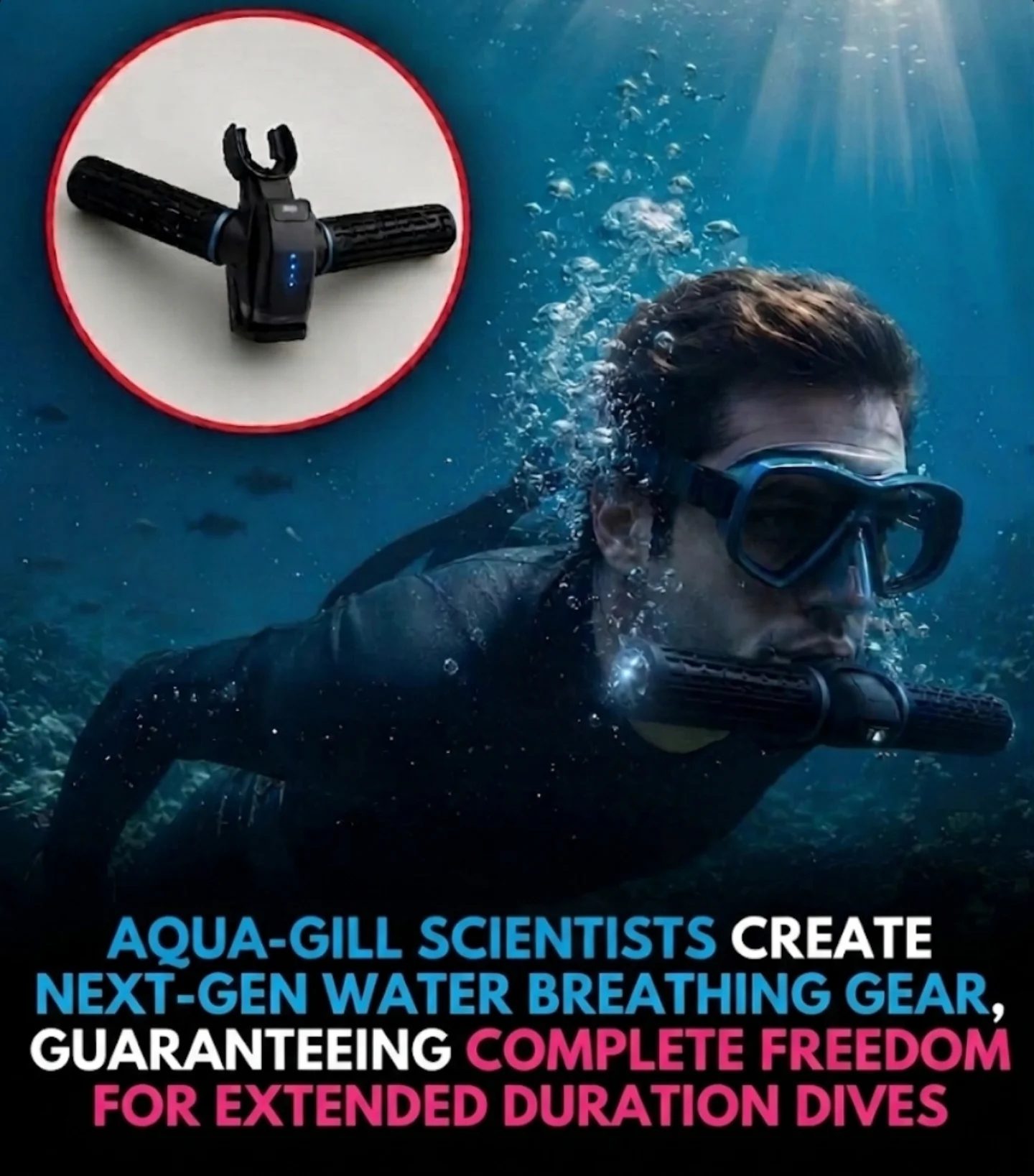
Underwater Breathing Gear: The Fascinating History of the Triton Concept
Underwater breathing gear has long captivated the imagination of divers and adventurers alike. One of the most intriguing concepts in this realm is the Triton, a device that claims to allow unlimited diving using artificial gills. The story of the Triton is a mix of innovative design, crowdfunding controversy, and scientific debunking. Let's dive into the history and the science behind this fascinating concept.
Why This Matters
The Triton concept raises important questions about the potential and limitations of underwater breathing technology. Understanding the history and the science behind the Triton can provide valuable insights into the challenges and possibilities of diving equipment. Whether you're a seasoned diver or simply curious about the future of underwater exploration, the story of the Triton is both intriguing and informative.
The Origin of the Triton
The Triton device was originally conceived as a student design project. In 2014, South Korean design student Jeabyun Yeon created the concept of a futuristic "portable oxygen respirator." The idea was to design a device that could filter oxygen directly from water, mimicking the way fish gills work. This would theoretically allow divers to breathe underwater for extended periods without the need for oxygen tanks. The device was envisioned to use micro-porous filters and a mini-compressor to achieve this feat.
The Crowdfunding Controversy
In 2016, a startup company saw the potential in Yeon’s design and launched an Indiegogo crowdfunding campaign. The campaign presented the Triton as a fully functional device that could allow users to breathe underwater for 45 minutes at depths up to 15 feet. The concept garnered significant attention and excitement, raising nearly $900,000 from backers eager to experience the future of diving. The promise of unlimited underwater breathing captured the imagination of many, but the reality was far more complex.
The Science and the "Debunking"
Almost immediately after the crowdfunding campaign launched, marine biologists, physicists, and diving experts began to raise serious concerns about the feasibility of the Triton. The fundamental issue revolved around the amount of oxygen available in water. Surface ocean water contains only about 6 to 7 milligrams of dissolved oxygen per liter. For a resting human to extract enough oxygen to survive, a device the size of the Triton would need to filter roughly 24 gallons (90 liters) of water every single minute. This would require a massive, high-powered pump and a giant battery, far beyond what could fit into a handheld mouthpiece.
The scientific community pointed out that the technology, as described, was physically impossible. The claims made by the crowdfunding campaign were swiftly debunked, and the creators were forced to admit that the device could not filter oxygen from water as promised. Instead, they revealed that the Triton actually relied on small, replaceable liquid oxygen cartridges. This revelation faced severe safety and engineering skepticism, further complicating the device's viability.
The Outcome
Under heavy pressure from the scientific community and Indiegogo, the creators of the Triton were forced to refund all the money to its backers. The device was never successfully manufactured or distributed, and it remains one of the most famous tech "hoaxes" or pipe-dreams in modern diving history. The Triton serves as a cautionary tale about the importance of scientific rigor and the potential pitfalls of overhyped crowdfunding campaigns.
The Next-Gen Promise: Aqua-Gill and Beyond
While the Triton concept may have fallen short of its promises, the quest for advanced underwater breathing gear continues. Aqua-Gill, a brand of water breathing gear, aims to provide divers with complete freedom and extended dive durations. This next-gen technology promises to revolutionize the diving experience, offering divers the ability to explore the underwater world with greater ease and longevity. As research and development continue, the future of underwater breathing gear looks increasingly promising.
Practical Tips for Divers
For those interested in exploring the underwater world, it's essential to stay informed about the latest developments in diving equipment. Here are some practical tips to keep in mind:
- Stay Informed: Keep up with the latest research and technological advancements in underwater breathing gear.
- Consult Experts: Always consult with experienced divers and marine biologists before investing in new diving equipment.
- Safety First: Prioritize safety by ensuring that any new gear adheres to strict safety and engineering standards.
Important Takeaways
The story of the Triton highlights the challenges and potential of underwater breathing technology. While the concept of artificial gills remains largely in the realm of science fiction, the quest for advanced diving equipment continues. By understanding the history and science behind devices like the Triton, divers can make informed decisions about the equipment they use and stay at the forefront of underwater exploration.
Conclusion
The Triton concept represents an exciting chapter in the history of underwater breathing gear. From its origins as a student design project to its controversial crowdfunding campaign, the Triton has left a lasting impact on the diving community. As technology continues to evolve, the future of underwater exploration looks increasingly promising. Divers and adventurers alike can look forward to new innovations that will revolutionize the way we explore the depths of the ocean.
Watch the Reel
Related deep dives
Similar reads based on topic and creator.



Recent articles
Fresh deep dives from the latest Reels we unpacked.




Comments
Be the first to comment.