The Andes' Origin: A Subterranean Dance
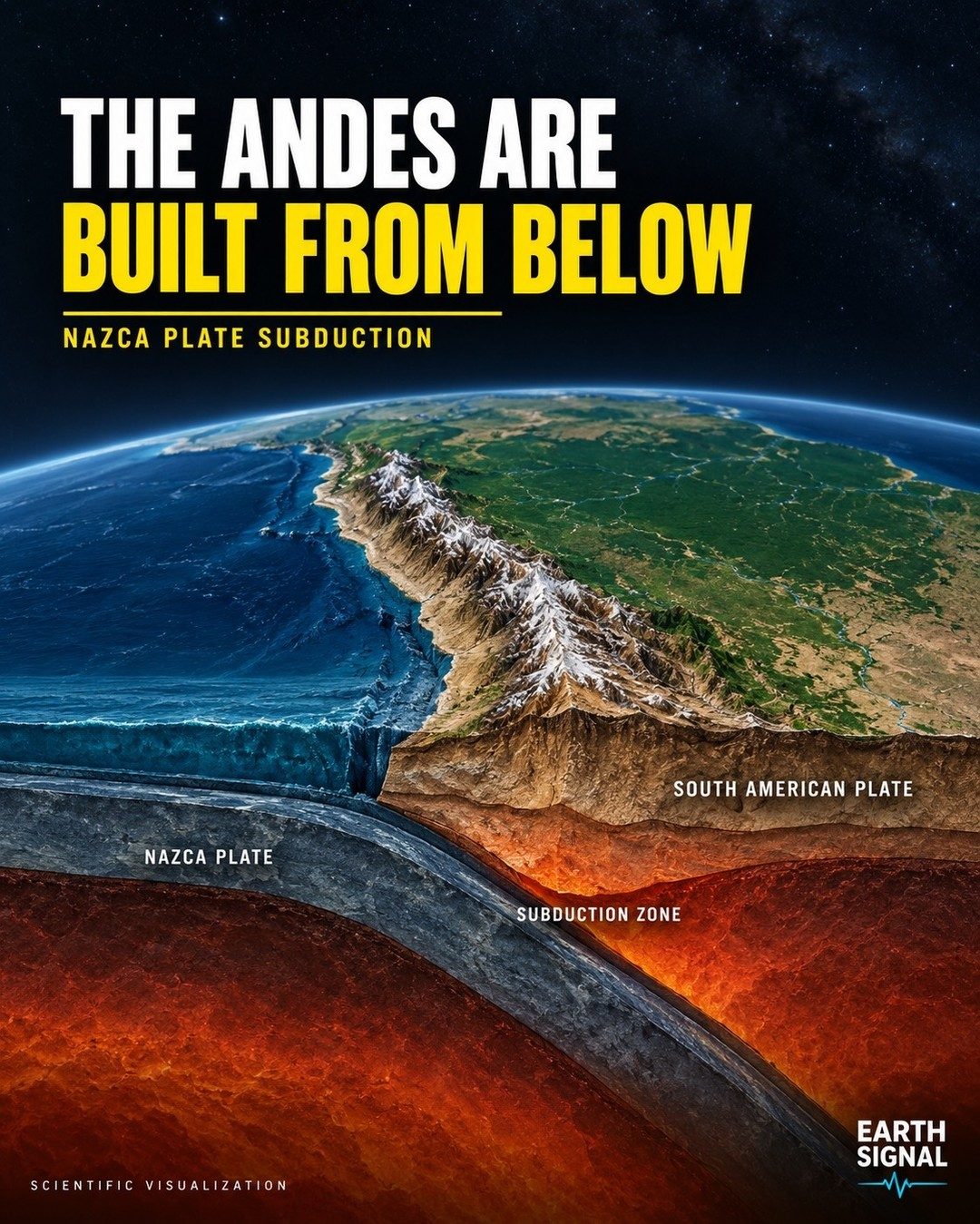
The Andes Mountains aren’t just a spectacular sight; they’re a monument to the unseen forces shaping our planet. The Andes rise because the Nazca Plate is relentlessly pushed beneath the South American Plate. It's a process called subduction, “where one tectonic plate slides beneath another.” This creates a subduction zone, where immense pressure and geological activity lead to the formation of mountains along the western coast of South America. The collision isn't a mere meeting of two plates. It's a compression and lifting of the South American Plate’s edge. This dynamic process doesn't just build mountains; it fuels the region’s volcanism and earthquakes. Every tremor and eruption stands as a testament to the ongoing subduction and the tectonic forces at play.
The Power of Plate Tectonics
Plates move—it’s a fundamental geologic truth, but the details of subduction can be a puzzle. The Nazca Plate and the South American Plate meeting along the Andes is one of the most illustrative examples of this process. Picture a conveyor belt deep within the Earth, where the Nazca Plate steadily dives beneath the South American. This isn’t some abstract motion; it’s a concrete force, creating immense pressure. It’s as if the Earth itself is a body. The Nazca Plate compresses and heats up as it intersects with the denser South American Plate. The result is a mountain-building process, leading to the rugged Andes range. The pressure and heat also create a dangerous environment in terms of activity. Along the edges of the South American Plate, volcanism and seismic activity become frequent. The Nazca Plate’s subduction beneath the South American Plate is a volatile process, but it is also the engine driving the geological drama of the Andes.
The Hidden Forces of Nature
The Andes Mountains exist because of a hidden dance of forces. The Nazca Plate is subducting beneath the South American. This simple fact belies the complexity of subduction zones. To visualize subduction zones within the Earth, imagine the Nazca Plate being pushed and heated as it rides beneath the South American. Geologists know that “subduction zones are areas where one tectonic plate slides beneath another.” That’s the technical term, but in reality, it's a powerful collision that not only builds the Andes but also powers seismic and volcanic activity. The compression and lifting of the South American Plate aren't just forming mountains, but also creating volatile conditions. Violent earthquakes and volcanic eruptions are direct results of the Nazca Plate’s relentless subduction. All of this, the mountain-building, the seismic activity, and the eruptions, is the reason the Andes are a living testament to the Earth’s dynamic nature.
A Window into Earth's Inner Workings
The Andes provide a rare glimpse into the Earth’s geological processes. The Nazca Plate’s activity beneath the South American Plate serves as more than a picture of mountain formation. It offers a window into the Earth’s internal dynamics. The Andes showcase subduction zones. Those zones are not just areas of collision, but places where the Earth’s crust is recycled, compressed, and transformed. The Andes Mountains are, in essence, a visible map of forces at play, deep within the planet. The geological forces creating the Andes are not just a natural wonder. They’re an educational tool to researchers and students interested in geological processes. When you look at the Andes, remember, you’re gazing at the most illustrative example of subduction. The Nazca Plate is being forced beneath the South American. The Andes Mountains are a result of this process.
Watch the Reel
Related deep dives
Similar reads based on topic and creator.

Recent articles
Fresh deep dives from the latest Reels we unpacked.




Comments
Be the first to comment.