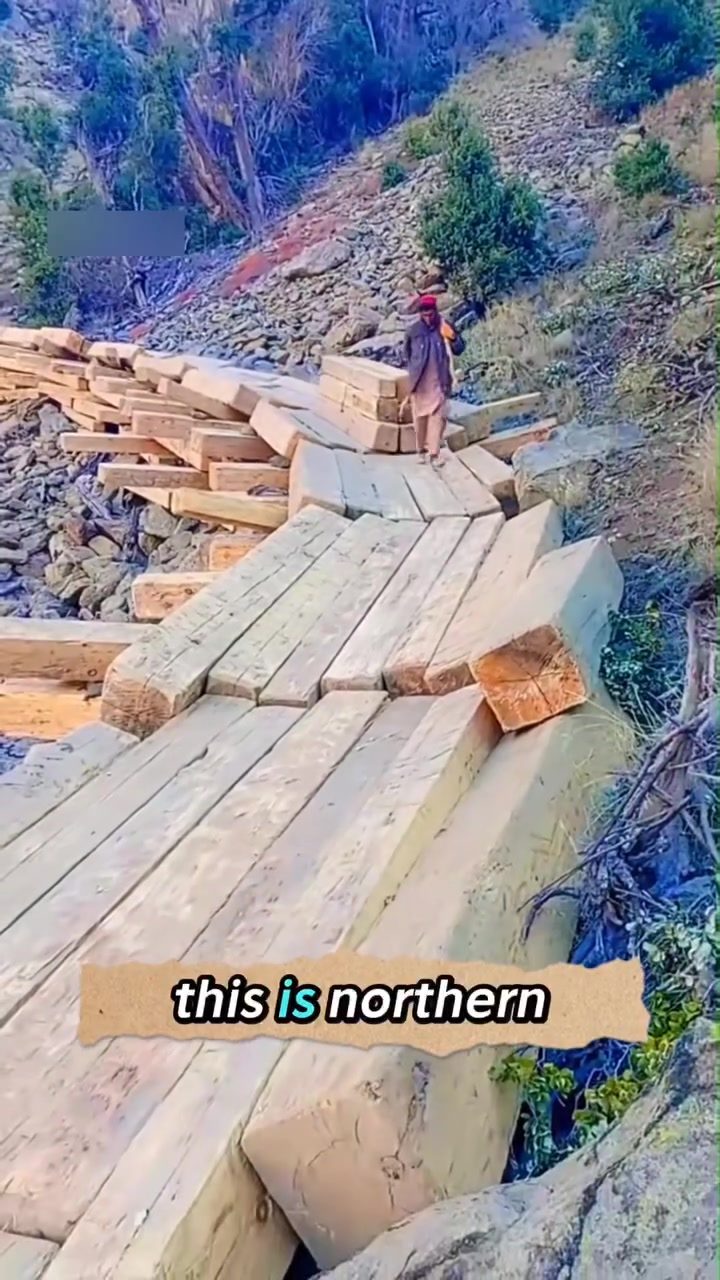
Timber Transport in the Himalayas: A Centuries-Old Method
The Himalayan mountain range is notorious for its steep terrain, which poses significant challenges for transportation and logistics. In northern Pakistan, villagers have developed a unique method to transport timber, using a centuries-old technique that relies on manpower and gravity. This method is not only ingenious but also a testament to human resilience and innovation.
Why This Matters
The Himalayan region is rich in timber resources, which are essential for construction in Pakistan. However, the steep and rugged terrain makes it impossible for heavy machinery and trucks to access many areas. As a result, villagers have developed a sustainable and efficient method to transport timber, ensuring that this valuable resource can be utilized for housing, bridge construction, and furniture-making.
The Timber Transport Process
Building the Slide
The process begins with the construction of a long wooden slide. This slide is meticulously built from the mountaintop down to the valley below, ensuring a gentle and continuous slope. This slope is crucial as it allows gravity to do most of the work, reducing the physical effort required by the workers.
Preparing the Timber
Workers carefully cut the timber into square beams, which helps them slide more smoothly and stay easier to control. These square beams are then attached to ropes, which the workers use to guide the timber down the mountain.
Controlling the Descent
Once the timber is secured to the slide, the workers carefully control the speed and direction of the descent using ropes. This method ensures that the timber remains stable and safe as it moves down the steep slopes. The workers' expertise and precision are key to the success of this method, ensuring that the logs reach their destination safely.
The Journey of the Timber
Once the timber reaches the bottom of the valley, it is shipped to cities across Pakistan. The timber is then used in various construction projects, including the building of houses, bridges, and furniture. This method has helped sustain the timber industry in Pakistan for hundreds of years, providing a reliable source of timber for construction and other industries.
Practical Tips for Timber Transport
While the method used in the Himalayas is unique and specific to the region, there are some practical tips that can be applied to timber transport in other challenging terrains.
1. Utilize Gravity
Wherever possible, use gravity to assist in the movement of the timber. This reduces the physical effort required and minimizes the risk of accidents.
2. Stabilize the Load
Ensure that the timber is properly secured and stabilized before it begins its journey. Attaching ropes and using square beams can help keep the load stable.
3. Plan the Route
Carefully plan the route, ensuring that it is clear of obstacles and allows for a smooth descent.
4. Train Your Workers
Ensure that the workers are well-trained and experienced in handling timber. Their expertise is crucial to the success of the transport process.
Important Takeaways
The timber transport method used in the Himalayas is a remarkable example of human ingenuity and resilience. It highlights the importance of utilizing natural forces and sustainable practices to overcome logistical challenges in remote and rugged terrains. By relying on gravity and manpower, the villagers of northern Pakistan have developed a method that is both efficient and environmentally friendly.
This centuries-old technique serves as a reminder that innovation and sustainability can go hand in hand. By utilizing natural resources wisely and leveraging human expertise, communities can overcome significant challenges and thrive in even the most challenging environments.
Conclusion
The timber transport method in northern Pakistan is a testament to human ingenuity and resilience. By utilizing gravity and manpower, villagers have developed a sustainable and efficient method to transport timber, ensuring that this valuable resource can be utilized for construction and other industries. This method serves as an inspiration, showing that with the right approach and expertise, even the most challenging logistical issues can be overcome.
Watch the Reel
Questions readers ask
What techniques do villagers in northern Pakistan use to transport timber down the Himalayan Mountains?
Villagers employ a centuries-old method that relies on manpower and gravity. They use ropes and wooden structures to guide logs down steep, rugged terrain, allowing them to navigate the challenging landscape safely and efficiently.
How does the timber transport method in the Himalayas benefit the local communities?
This sustainable method allows villagers to access and utilize valuable timber resources for construction and furniture-making. It also provides economic opportunities and preserves the natural environment by avoiding the use of heavy machinery.
What makes the terrain of the Himalayas challenging for timber transport?
The Himalayan region is known for its steep slopes and rugged terrain, which are difficult to navigate. This makes it nearly impossible for heavy machinery and trucks to reach many timber-rich areas, necessitating alternative transportation methods.
Can you describe the unique method of transporting logs in the Himalayas?
The unique method involves villagers using ropes to carefully guide logs down the mountainside, relying on gravity to aid in the descent. The process requires skill, precision, and a deep understanding of the terrain to ensure the logs reach their destination safely.
How is the ancient timber transport method in the Himalayas sustainable?
This method is sustainable as it does not require heavy machinery or fuel, reducing its environmental impact. By utilizing manpower and gravity, villagers minimize deforestation and preserve the natural landscape, ensuring that timber resources remain available for future generations.
What role does gravity play in the timber transport techniques used by Pakistani villagers?
Gravity is a crucial element in the timber transport process. Villagers use ropes and wooden structures to control the descent of logs, allowing gravity to assist in moving the timber down the steep slopes of the Himalayas, minimizing the need for excessive physical labor.
How do Pakistani villagers ensure the safety of timber transport in the Himalayas?
Villagers rely on their extensive knowledge of the terrain and use ropes and wooden structures to control the descent of logs. This method ensures that the timber is transported safely and efficiently, minimizing risks to both the workers and the environment.
Related deep dives
Similar reads based on topic and creator.




Recent articles
Fresh deep dives from the latest Reels we unpacked.




Comments
Be the first to comment.