Ancient "Your Mom" Joke: Humor Through the Ages
Ancient artifacts are more than just remnants of the past; they can also offer a glimpse into the humor of ancient civilizations. One such artifact is a 3,500-year-old clay tablet that claims to hold the oldest "your mom" joke ever recorded. This tablet, inscribed with cuneiform writing, provides a unique and surprisingly modern sense of humor from thousands of years ago.
Context / Why this matters
Humor is a universal language that transcends time and cultures. Discovering an ancient joke not only entertains but also offers insights into the social and cultural dynamics of the past. The 3,500-year-old tablet showcased in a museum setting provides a fascinating link between ancient and modern humor, highlighting how certain jokes remain relevant even after millennia.
Main discussion
The Discovery of the Ancient Joke
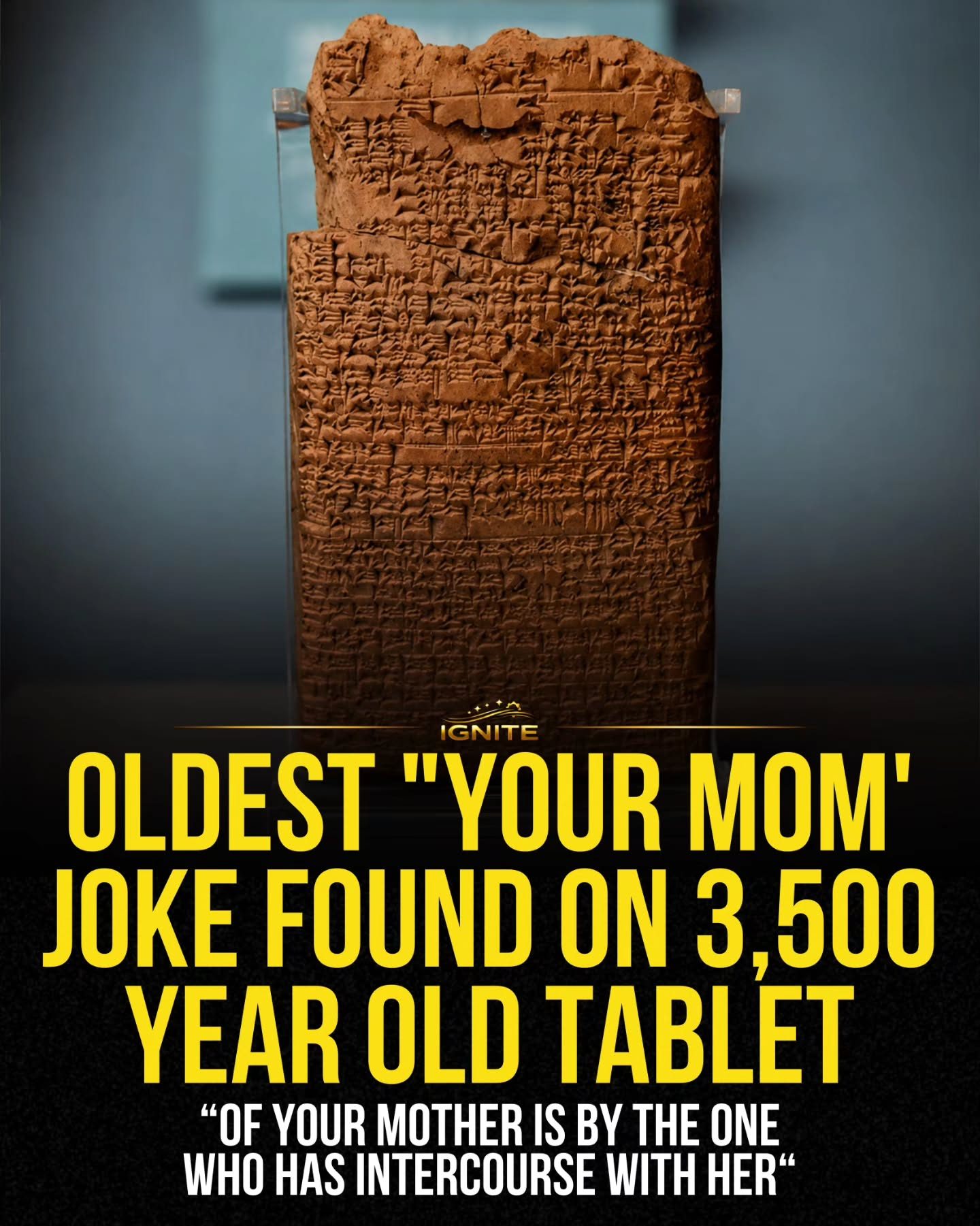
The tablet in question is made of clay and features cuneiform writing, a script used by various ancient Middle Eastern civilizations. The joke itself is a classic "your mom" joke, a type of humor that has endured through the ages. The translation of the cuneiform text reads: "Of your mother is by the one who has intercourse with her." This crude humor might seem familiar, as it echoes a modern-day joke format. The fact that this joke exists in such an ancient context underscores the enduring nature of certain forms of humor.
Cuneiform Writing and Its Significance
Cuneiform is one of the earliest forms of writing, developed around 3200 BCE by the Sumerians in Mesopotamia. The writing system consists of wedge-shaped marks made on clay tablets using a reed stylus. This method of writing was used for various purposes, including recording laws, administrative documents, and literary works. The presence of a joke on such an ancient artifact suggests that humor was an essential part of everyday life, even in ancient societies.
Cultural and Historical Insights
The discovery of this ancient joke provides valuable insights into the cultural and social aspects of ancient civilizations. Humor, even in its crudest forms, can reveal a lot about the norms, values, and social dynamics of a society. The fact that this particular joke was deemed worthy of recording and preserving suggests that it held some significance within the culture. It also indicates that people in ancient times had a sense of humor similar to ours, even if the delivery and context were different.
The Museum Setting
The tablet is displayed in a museum, providing a physical connection to the past. Museums play a crucial role in preserving and showcasing artifacts that offer insights into human history. The fact that this tablet is part of a museum collection ensures that it will be studied and appreciated by future generations. It also underscores the importance of preserving such artifacts, as they serve as a bridge between the past and the present.
Practical tips
If you're interested in exploring the humor of ancient civilizations, there are several steps you can take:
-
Visit Museums and Exhibits: Many museums around the world have extensive collections of ancient artifacts. Visiting these exhibitions can provide a firsthand look at the artifacts and the context in which they were created.
-
Study Ancient Languages: Learning ancient languages like cuneiform can give you a deeper understanding of the texts and the humor they contain. There are numerous resources and courses available online to help you get started.
-
Research Cultural Contexts: Understanding the cultural and historical context of ancient civilizations can help you appreciate the humor they enjoyed. This includes studying their social norms, values, and everyday life.
-
Engage with Academic Research: There are many academic papers and books that delve into the humor of ancient civilizations. Engaging with this research can provide a more nuanced understanding of how humor has evolved over time.
Important takeaways
- Humor is a universal language that transcends time and cultures.
- The 3,500-year-old clay tablet with a "your mom" joke provides a unique window into ancient humor.
- Understanding ancient jokes can offer significant insights into the social and cultural dynamics of past civilizations.
- Museums play a crucial role in preserving and showcasing these artifacts, ensuring that they continue to be studied and appreciated.
Conclusion
The discovery of the oldest "your mom" joke on a 3,500-year-old clay tablet is a testament to the enduring nature of humor. It shows that, despite the vast differences in time and culture, certain forms of humor remain relevant and relatable. This ancient artifact not only provides a fascinating glimpse into the past but also serves as a reminder of the universal human experience. Whether you're a history buff or just curious about the evolution of humor, this artifact is a compelling piece of our collective heritage.
Watch the Reel
Questions readers ask
What makes the 3,500-year-old tablet significant?
The tablet is significant because it contains one of the oldest known examples of a 'your mom' joke, inscribed in cuneiform writing. This makes it a unique artifact that bridges the gap between ancient and modern humor, offering insights into the social and cultural dynamics of ancient Middle Eastern civilizations.
How does the 3,500-year-old tablet provide a glimpse into ancient humor?
The tablet provides a glimpse into ancient humor by showcasing a joke that is surprisingly modern and relatable, despite being thousands of years old. This reveals that certain types of humor have endured across millennia, transcending cultural and temporal boundaries.
What is the significance of cuneiform writing on the 3,500-year-old tablet?
The cuneiform writing on the tablet is significant because it is one of the earliest forms of writing, used by ancient Middle Eastern civilizations. The presence of a joke in this writing system highlights the universal nature of humor and its presence in early human societies.
Why is the 'your mom' joke on the 3,500-year-old tablet considered one of the oldest known jokes?
The joke on the 3,500-year-old tablet is considered one of the oldest known jokes because it predates many other recorded jokes by thousands of years. Its existence on this ancient artifact makes it a fascinating example of early human humor and its enduring themes.
What can we learn about ancient civilizations from the jokes on tablets like this one?
Jokes on ancient tablets like this one can teach us about the social and cultural dynamics of ancient civilizations. They can reveal what people found funny, their social norms, and even their languages, providing a unique perspective on the daily lives and mindsets of people from thousands of years ago.
Related deep dives
Similar reads based on topic and creator.



Recent articles
Fresh deep dives from the latest Reels we unpacked.




Comments
Be the first to comment.