Wildfires in the American West
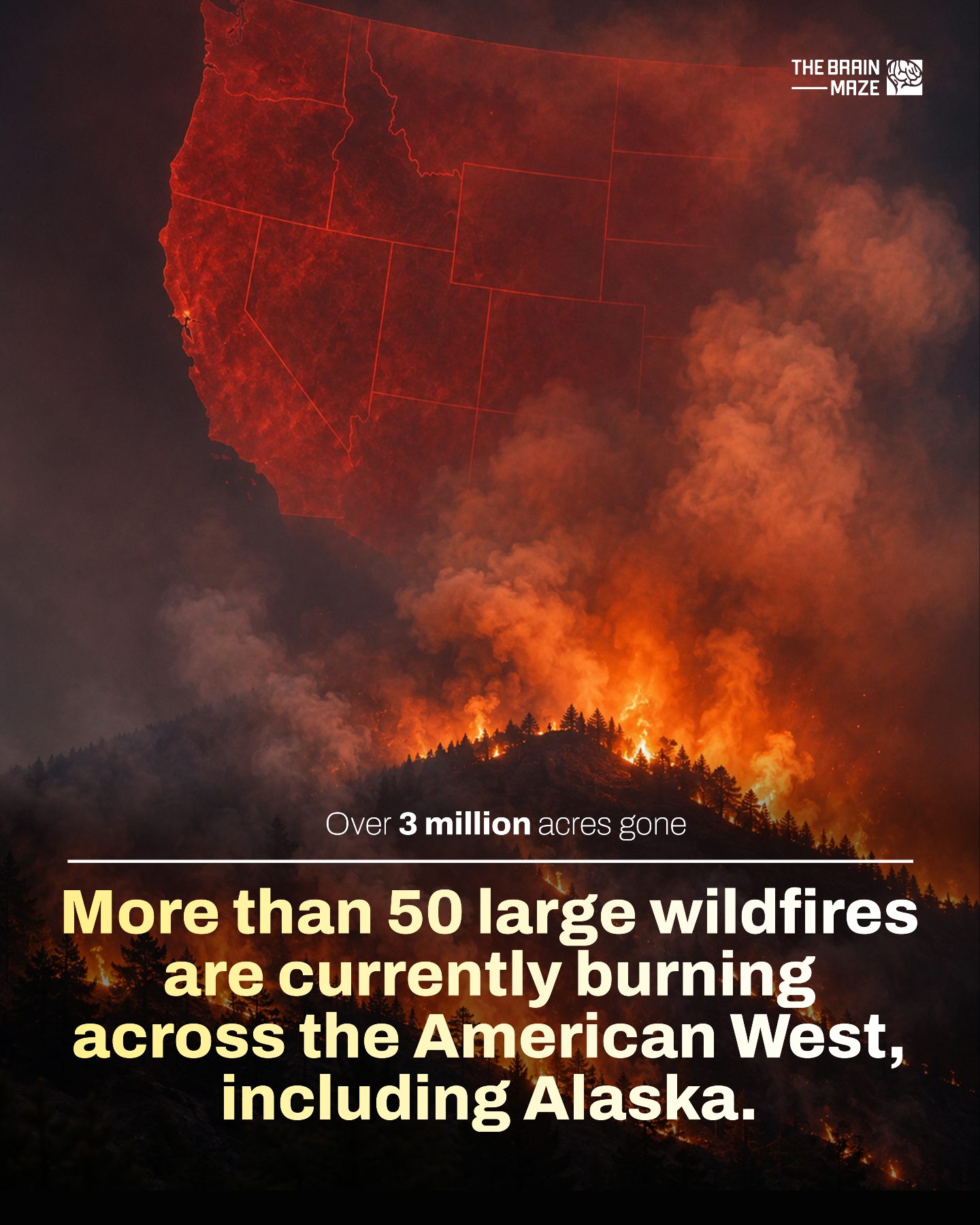
Wildfires are raging across the American West, with over 50 large fires currently burning. These fires, fueled by extreme heat, drought, and powerful winds, have already consumed more than 3 million acres nationwide in 2026, with over 465,000 acres currently ablaze. The situation is dire, with communities facing evacuations, dangerous air quality, and fast-moving flames. Firefighters are working tirelessly to combat these worsening conditions, but the challenges are immense.
Why This Matters
The scale of the wildfires in the American West is unprecedented, and the consequences are far-reaching. The fires not only destroy vast tracts of land but also threaten lives, homes, and wildlife. The smoke and ash from these fires can travel thousands of miles, affecting air quality in regions far from the actual flames. Understanding the causes, impacts, and responses to these wildfires is crucial for mitigating future threats and protecting communities.
What's Fueling the Flames
Extreme Heat and Drought
The current wildfires are driven by a combination of extreme heat and prolonged drought. These conditions create a perfect storm for wildfires, as the dry vegetation and high temperatures make it easier for fires to start and spread rapidly. According to recent reports, many parts of the American West are experiencing their warmest temperatures on record, exacerbating the drought and creating optimal conditions for wildfires.
Powerful Winds
Strong winds are another significant factor in the spread of these wildfires. Winds can carry embers and flames over long distances, igniting new fires and making it difficult for firefighters to contain the blazes. In some cases, winds have been reported to exceed 50 miles per hour, making it nearly impossible for firefighters to gain any control over the fires.
Climate Change
While not directly mentioned in the provided information, climate change is a significant contributor to the increased frequency and intensity of wildfires in the American West. Rising global temperatures and changing weather patterns are leading to longer and more severe droughts, which in turn create more favorable conditions for wildfires.
The Impact on Communities
Evacuations and Displacement
Communities across the American West are facing immediate and severe threats from these wildfires. Evacuation orders have been issued for thousands of residents, forcing them to leave their homes and possessions behind. The disruption to daily life is significant, and many families are left wondering when, or if, they will be able to return to their homes.
Air Quality
The smoke and ash from these wildfires have led to hazardous air quality in many areas. Residents are advised to stay indoors and limit their outdoor activities, as the air can be dangerous to breathe. This is particularly concerning for those with respiratory conditions, such as asthma or COPD, as the poor air quality can exacerbate their symptoms.
Economic Impact
The economic toll of these wildfires is also significant. Homes, businesses, and infrastructure are being destroyed, leading to substantial financial losses. The costs of firefighting efforts, evacuations, and rebuilding are immense, and the long-term economic impacts on affected communities could be severe.
The Role of Firefighters
Firefighters are on the front lines of this battle, working tirelessly to contain and extinguish the blazes. However, the conditions they face are challenging and dangerous, with extreme heat, poor air quality, and fast-moving flames posing significant risks to their safety. Despite these challenges, firefighters are dedicated to protecting lives and property, often at great personal risk.
Technology and Innovation
Firefighters are utilizing advanced technology and innovative techniques to combat these wildfires. Drones, satellites, and other remote-sensing technologies are being used to monitor the fires and track their spread. These tools provide firefighters with valuable information, allowing them to make more informed decisions and better allocate their resources. Additionally, firefighters are using specialized equipment, such as fire-resistant clothing and protective gear, to enhance their safety and effectiveness.
Collaboration and Support
Collaboration and support are key to successfully fighting these wildfires. Firefighters from across the country are being deployed to assist with these efforts, providing much-needed backup and expertise. This collaboration is crucial for effectively combating these large and complex fires, as it allows for the sharing of resources, knowledge, and manpower.
Important Takeaways
The wildfires in the American West are a stark reminder of the devastating impact that extreme weather and climate change can have on our communities. Understanding the causes and consequences of these fires is essential for preparing and responding to future threats. We must prioritize efforts to mitigate the risks of wildfires, support our firefighters, and protect our communities from these devastating events.
Conclusion
The wildfires in the American West are a critical and ongoing issue that requires our attention and action. By understanding the factors driving these fires, the impacts on communities, and the role of firefighters, we can better prepare and respond to future threats. It is essential to support our firefighters, protect our communities, and work together to mitigate the risks of wildfires. Only through collective effort and innovation can we hope to overcome the challenges posed by these devastating fires.
Watch the Reel
Questions readers ask
What are the primary causes of the severe wildfires in the American West in 2026?
The primary causes include extreme heat, prolonged drought, and strong winds. These conditions create a perfect storm, allowing wildfires to start and spread rapidly, making them difficult to control.
How many acres have been affected by wildfires in the American West so far in 2026?
Over 3 million acres have been burned nationwide by wildfires in the American West since the beginning of 2026, with more than 465,000 acres currently ablaze.
Why are evacuations necessary during wildfires?
Evacuations are necessary to ensure the safety of residents as wildfires can move quickly and unpredictably, posing a significant threat to lives and property. The air quality can become life-threatening, particularly for vulnerable groups.
What challenges do firefighters face when battling wildfires in the American West?
Firefighters face immense challenges, including extreme heat, unpredictable fire behavior, and harsh terrain. The scale of the fires and the rapid spread due to strong winds make containment and extinguishment particularly difficult.
How do wildfires in the American West impact air quality?
Wildfires release large amounts of smoke and particulate matter into the air, leading to hazardous air quality. This can cause respiratory issues and other health problems, affecting not only local communities but also regions thousands of miles away.
What role does climate change play in the increasing frequency and severity of western wildfires?
Climate change exacerbates wildfire conditions by contributing to higher temperatures, prolonged droughts, and more frequent heatwaves. These conditions create a drier landscape, making vegetation more susceptible to ignition and fires more intense once they start.
How can residents stay informed about current wildfires and evacuations in their area?
Residents can stay informed by monitoring local news outlets, following updates from official government websites, and using wildfire tracking apps. Additionally, signing up for emergency alerts and notifications from local authorities can provide timely information on evacuations and safety measures.
Related deep dives
Similar reads based on topic and creator.


Recent articles
Fresh deep dives from the latest Reels we unpacked.




Comments
Be the first to comment.