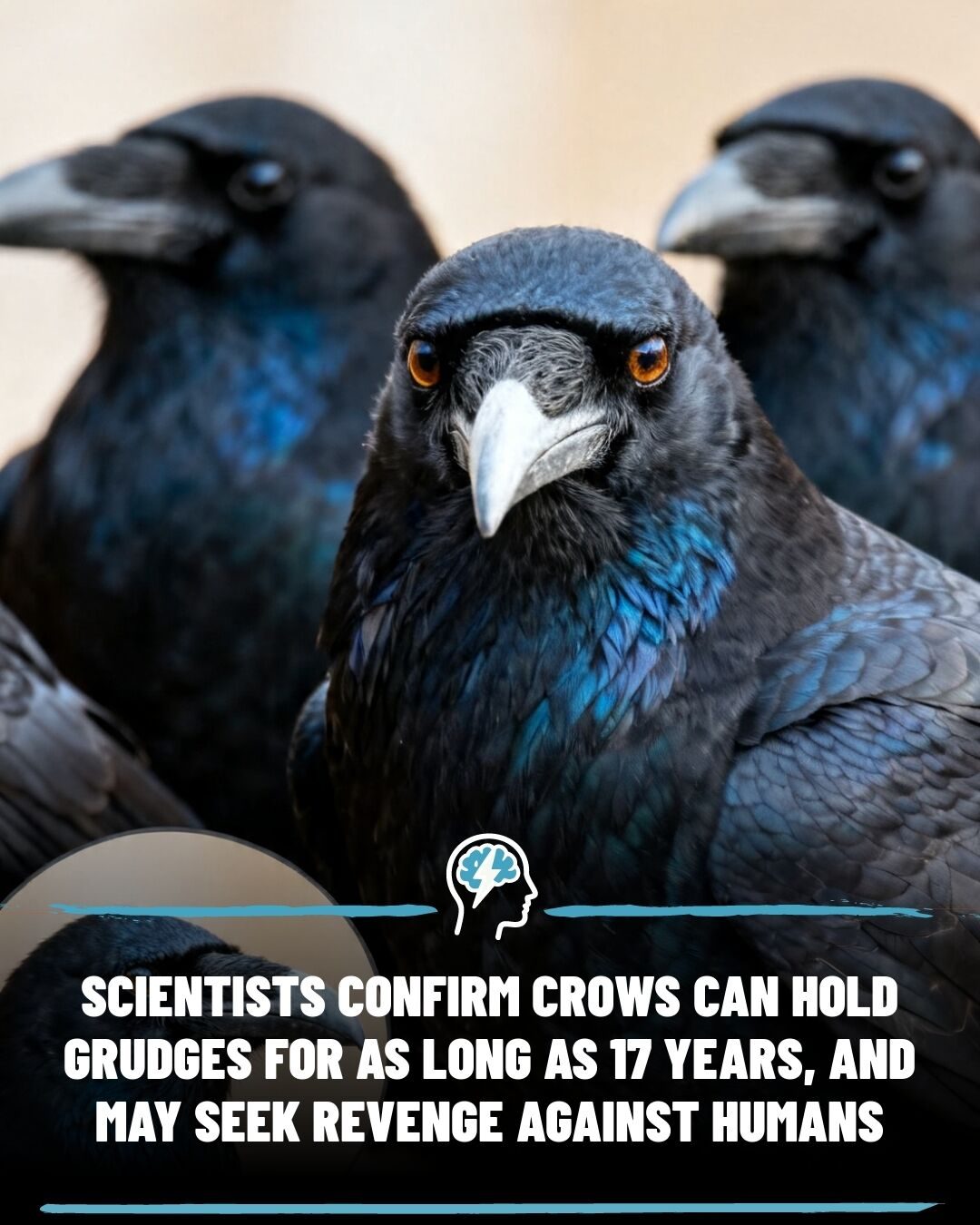
Crow Intelligence: The Fascinating World of Avian Memory and Behavior
Crows are more than just common birds you see perched on telephone wires. Recent research from the University of Washington reveals that American crows possess an extraordinary ability to hold grudges against specific humans for nearly two decades. This intriguing finding sheds light on the complex social intelligence and memory capabilities of these birds.
Why This Matters
Understanding the cognitive abilities of crows is not just about appreciating their intelligence; it also has practical implications for how we interact with wildlife. Crows' ability to remember and communicate about individual humans can influence our encounters with these birds, shaping whether they perceive us as threats or allies. This knowledge is crucial for fostering harmonious coexistence and respecting the intricate social structures of these intelligent creatures.
The Science Behind Crow Intelligence
Memory and Recognition
Crows exhibit remarkable memory and recognition skills. Studies have shown that when researchers captured and banded crows while wearing specific masks, the birds remembered these "dangerous" faces years later. This ability to recall specific individuals and associate them with past experiences is a testament to their advanced cognitive functions.
Social Learning
One of the most fascinating aspects of crow behavior is their ability to share knowledge within the flock. Crows who were never part of the original capture also learned to recognize and scold the threatening face. This social learning process allows protective knowledge to spread through the flock over time, ensuring that the entire community is aware of potential dangers.
Brain Imaging Insights
Brain imaging studies have provided deeper insights into how crows process human faces. When viewing a face associated with danger, their brains activate regions linked to fear and emotion. Conversely, when seeing a "caring" face, reward and motivation centers light up. This dual response system indicates that crows can differentiate between threatening and positive interactions, much like humans do.
The Evolutionary Advantage
For a species living alongside humans, the ability to remember who is a threat and who is a potential ally can mean survival. Crows' social intelligence allows them to navigate complex social environments, ensuring their safety and the well-being of their flock. This adaptive behavior has evolved over time, equipping crows with the tools necessary to thrive in various ecological niches.
Practical Tips for Interacting with Crows
Be Mindful of Your Actions
Given crows' ability to remember and communicate about specific individuals, it is essential to be mindful of your actions when interacting with them. Acts of kindness, such as providing food, can foster positive encounters. Conversely, acts of cruelty can lead to long-term negative interactions.
Respect Their Space
Crows are territorial and protective of their environment. Respecting their space and avoiding actions that may be perceived as threatening can help maintain a neutral or positive relationship. This includes refraining from activities that may disturb their nests or feeding grounds.
Educate Others
Sharing knowledge about crows' intelligence and memory capabilities can help promote respectful interactions. Educating others about the significance of crows' behavior and the importance of treating them with kindness can lead to a more harmonious coexistence.
Important Takeaways
- Crow intelligence is characterized by long-term memory and social learning.
- Crows can remember specific humans and communicate this information within their flock.
- Brain imaging studies show that crows process human faces similarly to how humans process threats and rewards.
- Kindness and respect are key to fostering positive interactions with crows.
Conclusion
Crows are not just ordinary birds; they are intelligent creatures with complex social structures and remarkable memory capabilities. By understanding their behavior and the implications of our interactions with them, we can foster a more respectful and harmonious coexistence. Whether you are a birdwatcher, a wildlife enthusiast, or simply someone who enjoys observing nature, appreciating the intelligence and memory of crows can enrich your experiences and deepen your connection with the natural world.
Watch the Reel
Questions readers ask
How do American Crows recognize specific humans?
American Crows use their remarkable memory and problem-solving skills to identify specific humans based on facial features and other distinguishing characteristics. This recognition allows them to remember individuals who have caused them harm or distress, even after many years have passed.
What triggers a crow's grudge against a human?
Crows may hold grudges against humans who have threatened them or their offspring, caused disturbances in their environment, or handled their nests or eggs. These experiences can lead to long-term memory of these individuals, which influences the crows' interactions and perceptions of humans.
Can crows communicate about specific humans to other crows?
Yes, crows can communicate about specific humans to other crows in their social groups. They often engage in mobbing behavior, where multiple crows gather to harass or chase a perceived threat. These group behaviors demonstrate the birds' ability to share information and work together based on memories of individual humans.
How long can a crow remember a specific human?
Research indicates that American Crows can remember specific humans for nearly two decades. This long-term memory allows them to maintain a grudge and react accordingly when they encounter the same person again, even after many years.
Do crows hold grudges against all humans or just specific ones?
Crows hold grudges against specific individuals who have caused them harm or distress, rather than all humans. They are capable of distinguishing between threatening and non-threatening humans, which allows them to perceive some individuals as safe while remembering and avoiding others.
Can a crow's perception of a human change over time?
Yes, a crow's perception of a human can change over time if the human's behavior towards the crow changes. For example, if a person who was previously threatening becomes benign, the crow may eventually adjust its perception of that individual as it observes their changed behavior.
What should I do if I encounter a crow that seems hostile?
If you encounter a hostile crow, it is likely that you or someone else has caused it distress in the past. To de-escalate the situation, maintain a safe distance and avoid sudden movements. Over time, consistent non-threatening behavior may help change the crow's perception of you.
Related deep dives
Similar reads based on topic and creator.

Recent articles
Fresh deep dives from the latest Reels we unpacked.




Comments
Be the first to comment.