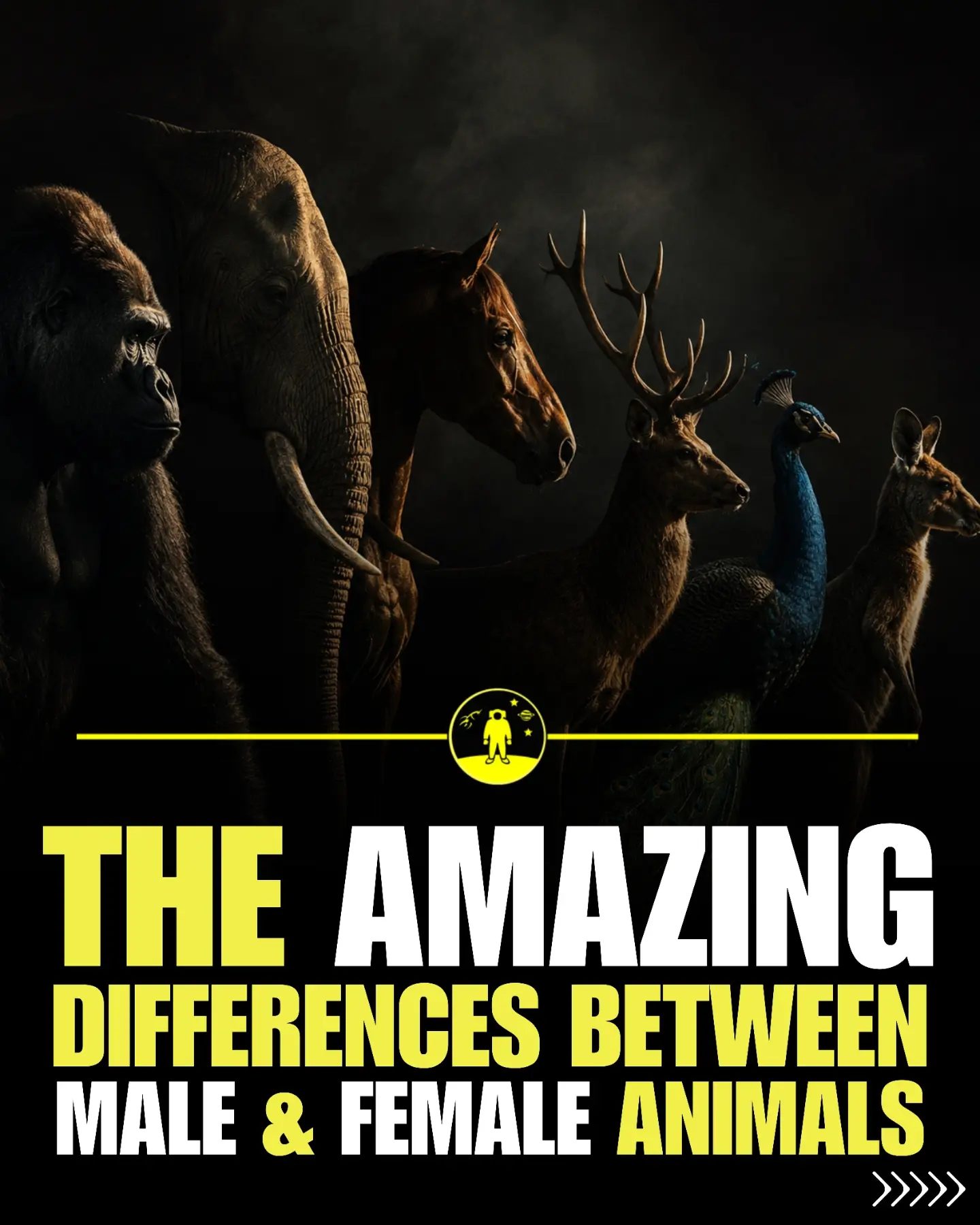
Male vs Female Animals: The Fascinating Differences
Nature's diversity is a testament to its complexity, and one of its most intriguing aspects is the distinctions between males and females across various species. These differences range from subtle to dramatic, encompassing size, color, behavior, and even physical appearance. Exploring these contrasts offers a window into the evolutionary adaptations that have shaped the animal kingdom.
Context: Why This Matters
Understanding the differences between male and female animals is not just about satisfying curiosity; it provides insights into ecological roles and evolutionary strategies. These differences highlight the various adaptations that have evolved to enhance survival and reproductive success. By examining these distinctions, we gain a deeper appreciation for the intricate balance within ecosystems and the unique traits that each species has developed.
Main Discussion
The differences between male and female animals are as varied as the species themselves. Let's delve into some of the most notable examples.
Size and Strength
One of the most apparent distinctions between male and female animals is size and strength. Many male species are significantly larger and more robust than their female counterparts. This is particularly evident in species like bull elephants and gorillas. For instance, bull elephants can weigh up to 12,000 pounds and stand over 12 feet tall, dwarfing the smaller, more delicate cow elephants. This size difference is crucial for males in establishing dominance and defending territory or resources.
Color and Appearance
In addition to size, color and appearance are also key differentiators. In some species, males and females have striking differences in plumage or fur. Male peafowl, for example, are renowned for their elaborate, colorful tails, which they display to attract mates. In contrast, female peafowl have more subdued plumage, which helps them blend into their environment and avoid predators. Similarly, male ducks often exhibit more vibrant plumage and striking colors, while female ducks have more muted tones.
Behavioural Differences
Behavioral differences between males and females are also significant. Males often engage in behaviors aimed at attracting mates, competing with rivals, or defending their territory. For example, male deer, particularly those with large antlers, engage in elaborate displays and sparring matches during the mating season. Meanwhile, female deer are typically more focused on nurturing their young and avoiding predators. This division of roles is a common theme across many species. However, the specific behaviors can vary widely, depending on the species' ecology and evolution.
Evolutionary Adaptations
The differences between male and female animals are the result of millions of years of evolution, driven by the need to survive and reproduce. Over time, traits that improve an animal's chances of survival and reproductive success become more common. For example, the larger size of male elephants helps them defend against predators and compete for mates, while the more subdued appearance of female elephants helps them blend into their environment and protect their young. Each species has its unique adaptations, shaped by the specific challenges and opportunities of their environment.
Specific Examples
Elephants: Bull elephants are typically larger and stronger, with more prominent tusks and looser skin on their necks and shoulders. This size difference is crucial for defending the herd and competing with rival males. Cow elephants, on the other hand, are more nurturing and protective of their young. Their smaller size and lighter build enable them to navigate denser vegetation and care for their calves more easily.
Cattle: In cattle, the differences between bulls and cows are not just in size but also in coloration and temperament. Bulls often have a more muscular build and can have different coats, which can be a result of selective breeding. Cows, on the other hand, are typically more docile and nurturing, focusing on their young and ensuring their survival.
Ducks: Male ducks, or drakes, often have more vibrant and colorful plumage, while female ducks have more muted tones. This difference is essential for mating rituals, where males use their colorful feathers to attract females. The drakes' vibrant colors also play a role in territorial displays and dominance rituals.
Practical Tips
Observing wildlife is a great way to learn about the differences between male and female animals. Here are some practical tips for enhancing your wildlife viewing experience:
-
Know the Species: Familiarize yourself with the species you are likely to encounter. Knowing the typical traits of males and females can enhance your observation skills and deepen your understanding.
-
Use Binoculars and Cameras: Good binoculars or a camera with a zoom lens can help you get a closer look without disturbing the animals. These tools allow you to observe behaviors and details that might be missed from a distance.
-
Look for Clues: Pay attention to subtle clues, such as color patterns, body shape, and behavior. These can often reveal whether an animal is male or female.
-
Be Patient and Quiet: Animals are more likely to behave naturally if they are not disturbed. Being patient and quiet can help you observe behaviors that you might miss if the animals are startled or disturbed.
-
Study in Different Seasons: Wildlife behaviors and appearances can change with the seasons. For example, during the mating season, males may exhibit more pronounced displays and behaviors.
-
Use Online Resources and Guides: There are numerous online resources and field guides available that can help you identify and learn about different animal species. These resources can provide detailed information about the differences between males and females.
Important Takeaways
The differences between male and female animals are more than just physical; they encompass size, color, behavior, and evolutionary adaptations. Understanding these distinctions provides valuable insights into the natural world and the intricate balance within ecosystems. By appreciating these unique traits, we can gain a deeper understanding of how animals have evolved to survive and thrive in their environments.
Conclusion
The diversity of the animal kingdom is a testament to the incredible adaptations that have evolved over millions of years. The differences between male and female animals are a fascinating aspect of this diversity, highlighting the unique ways in which each species has adapted to enhance survival and reproductive success. Whether you're a wildlife enthusiast or simply curious about the natural world, exploring these differences offers a glimpse into the intricate balance of nature. The next time you observe animals, take a moment to appreciate the subtle and dramatic distinctions that make each species unique.
Watch the Reel
Questions readers ask
Why are male and female animals different in size and strength?
Size and strength differences in animals often stem from evolutionary adaptations for survival and reproduction. Males often need to compete for mates, which can lead to larger size, while females may focus more on nurturing offspring.
What are some common behavioral differences between male and female animals?
Behavioral differences can include variations in mating rituals and social structures. For example, male animals are often more aggressive during mating seasons, while females may exhibit more nurturing behaviors toward their young.
How do color differences between male and female animals evolve?
Color differences frequently emerge from reproductive strategies. Males may have more vibrant colors to attract mates, while females might have more subdued colors to blend into their surroundings for protection.
What are the unique features of a bull elephant that distinguish it from a female?
Bull elephants are typically larger and have more prominent tusks compared to females. They also have thicker skin on the neck and head, which can help in dominance displays and fights.
Do all animal species exhibit differences between male and female behaviors?
While the extent varies, many animal species show behavioral differences. For instance, male animals often engage in more aggressive displays during mating seasons, whereas females are usually more protective and nurturing toward their offspring.
How do animal size differences contribute to their roles within an ecosystem?
Size differences contribute to an animal's role in an ecosystem by influencing their ability to hunt and avoid predators. Larger animals may have fewer predators, while smaller animals might be more agile and better at escaping threats.
What are some examples of mating behaviors that differ between male and female animals?
Mating behaviors can vary greatly. For example, male animals often engage in elaborate displays, like the peacock's tail, to attract females. Females, on the other hand, may choose mates based on their displays and health, which can influence the genetic quality of their offspring.
Recent articles
Fresh deep dives from the latest Reels we unpacked.




Comments
Be the first to comment.