The Hidden Water Cost of AI: How ChatGPT's Operations Consume Water
AI tools like ChatGPT have revolutionized how we communicate and process information. While the convenience they offer is undeniable, a lesser-known aspect is the environmental impact, particularly water consumption. This is particularly important as these tools are increasingly integrated into our daily lives.
Context: Why This Matters
As AI becomes more prevalent, understanding its environmental footprint is crucial. Data centers, which power AI tools, consume significant amounts of water for cooling purposes. This water consumption, while often overlooked, has substantial implications for water management and sustainability.
Understanding the Water Footprint
AI Operations and Water Consumption
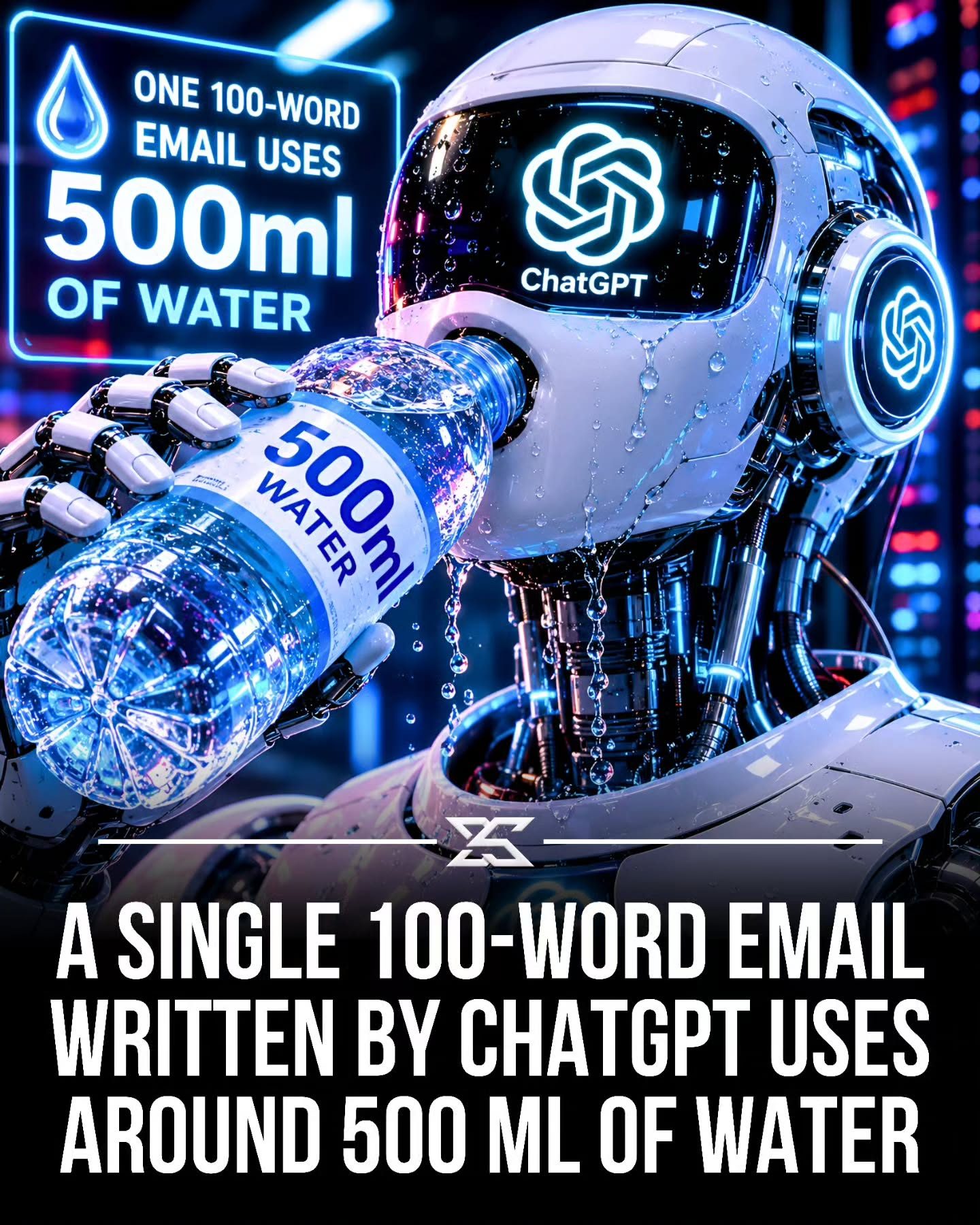
A recent claim highlights that generating a single 100-word email using ChatGPT can consume around 500 milliliters of water. This water is primarily used in data centers to cool down the powerful computers that process AI tasks. These centers use cooling systems, some of which rely heavily on water to maintain optimal operating temperatures.
How Data Centers Use Water
The water is not directly used by the AI itself but is a byproduct of the cooling systems in data centers. As computers work hard to process AI tasks, they generate a lot of heat. Cooling systems, both air and water-based, are employed to prevent overheating. In regions where water is readily available, some data centers use water-based cooling systems, contributing to significant water consumption.
Factors Influencing Water Usage
The exact amount of water used can vary based on several factors:
- Location of the Data Center: Data centers in different regions may have varying water availability and cooling requirements. For example, a data center in a hot, dry area might require more water for cooling than one in a cooler, wetter climate.
- Task Complexity: Longer or more complex tasks demand more computational power, leading to higher heat generation and, consequently, increased water usage for cooling.
- Efficiency of Cooling Systems: More efficient cooling systems can reduce the amount of water needed. Technologies like air cooling or advanced water recycling systems can help minimize water consumption.
Examples of Water Usage
To put it in perspective, a 100-word email might seem trivial, but the cumulative effect of millions of users performing various tasks can lead to substantial water consumption. It's important to recognize that even small tasks like sending an email or asking a question can contribute to this water footprint.
Practical Tips for Reducing AI's Water Footprint
Reducing the environmental impact of AI, particularly water consumption, requires a multi-faceted approach:
Corporate Responsibility
- Efficient Cooling Systems: Companies can invest in more efficient cooling technologies that use less water.
- Renewable Energy: Transitioning to renewable energy sources for powering data centers can reduce the overall environmental footprint.
User Awareness
- Mindful Use: Encourage users to be mindful of the tasks they perform. While it's not always practical to avoid using AI, being aware of the resources consumed can promote more responsible usage.
- Efficient Queries: Optimize queries to be as concise and straightforward as possible. This can reduce the computational load and, therefore, the water usage.
Important Takeaways
- Water Consumption: AI tools, including ChatGPT, have a significant water footprint due to the cooling requirements of data centers.
- Variability: The amount of water used can vary based on location, task complexity, and cooling system efficiency.
- Corporate and User Responsibility: Both companies and users play a role in reducing the environmental impact. Companies should invest in efficient technologies, and users should be mindful of their AI usage.
Conclusion
The environmental impact of AI, particularly water consumption, is an often-overlooked aspect of modern technology. As AI continues to grow in popularity, it's crucial to address these issues to ensure sustainable development. By understanding the water footprint and taking steps to mitigate it, we can enjoy the benefits of AI while minimizing its environmental impact.
Watch the Reel
Questions readers ask
How does generating a 100-word email with ChatGPT use 500ml of water?
Generating a 100-word email with ChatGPT requires significant computational power, which in turn demands substantial cooling to prevent overheating. This cooling process relies heavily on water, leading to a water consumption of approximately 500 milliliters for a short email. This is due to the energy-intensive nature of the data centers that support AI operations.
Why are data centers significant in the context of AI's water usage?
Data centers are crucial because they house the powerful servers that run AI models, including ChatGPT. These servers generate a lot of heat, necessitating robust cooling systems that consume large amounts of water to maintain optimal operating conditions. Therefore, the efficiency and sustainability of these data centers directly impact AI's environmental footprint.
What are the primary causes of water consumption in AI operations?
The primary cause of water consumption in AI operations is the cooling process required to maintain the operational efficiency of data centers. This involves circulating vast amounts of water through cooling systems to dissipate the heat generated by powerful AI servers, ensuring they function without overheating.
How does AI's environmental cost relate to its water footprint?
AI's environmental cost is closely tied to its water footprint, particularly through the cooling requirements of data centers. The significant water usage for cooling contributes to the overall environmental impact, making it essential to consider water management strategies to mitigate these effects and promote sustainability.
What role do AI cooling systems play in the overall water consumption of AI tools?
AI cooling systems are pivotal in the overall water consumption of AI tools. These systems are designed to prevent overheating in data centers, which are essential for running AI models. The water used in these cooling processes is substantial, making it a critical factor in understanding the broader environmental implications of using AI.
How does the water usage of AI tools impact sustainability efforts?
The water usage of AI tools, particularly for cooling data centers, is a significant factor in sustainability efforts. The high water consumption can strain local water resources, especially in areas where water is scarce. Therefore, optimizing AI operations for better water efficiency is essential for promoting sustainable practices and reducing the environmental impact.
Related deep dives
Similar reads based on topic and creator.



Recent articles
Fresh deep dives from the latest Reels we unpacked.




Comments
Be the first to comment.