Ancient Roman Board Game Revealed Through AI
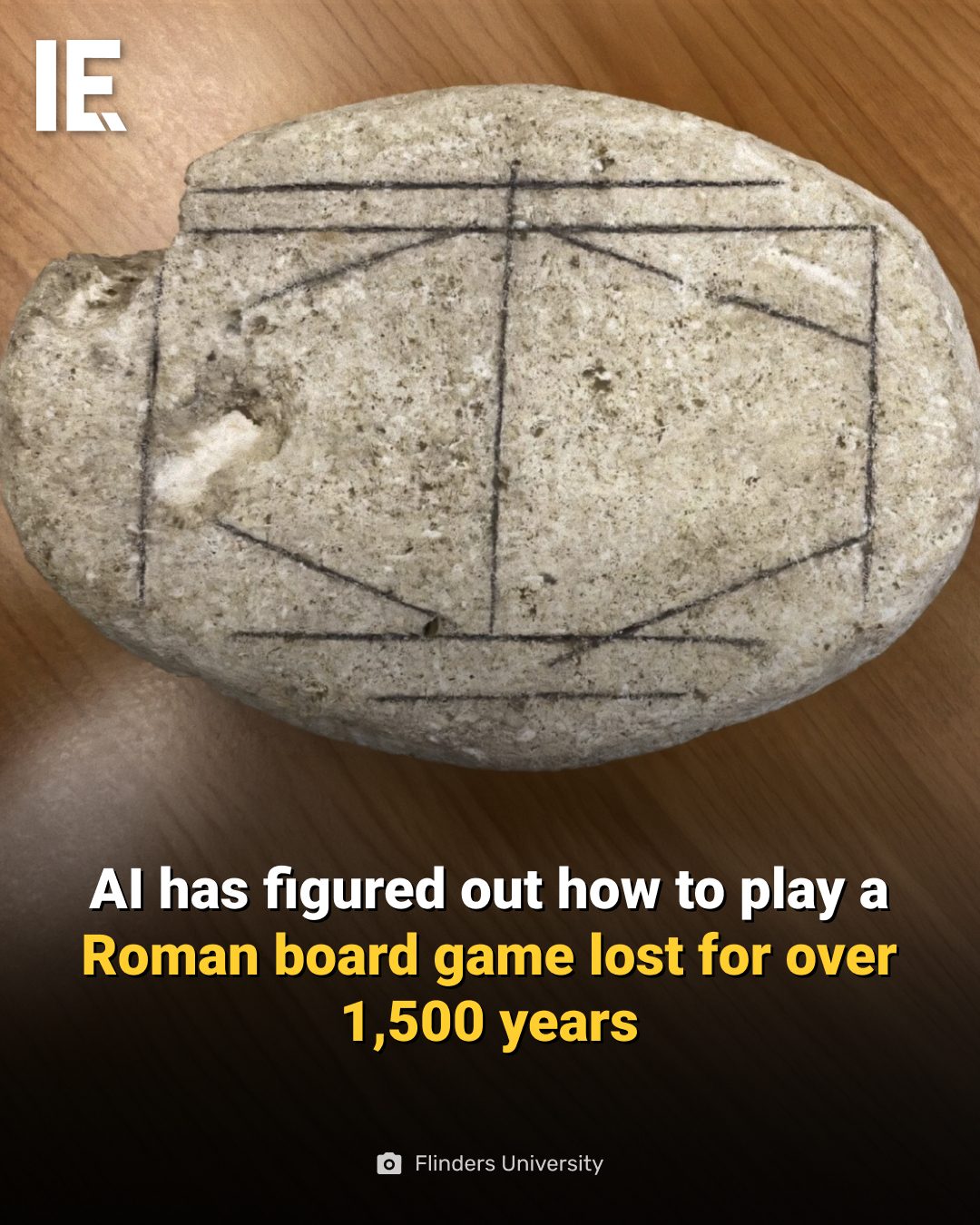
A mysterious Roman stone board, discovered over a century ago, left archaeologists with a puzzle: how to play it? Until now, the rules of this ancient game remained unknown, but recent advancements in artificial intelligence have shed new light on this intriguing artifact.
Context: Why This Matters
The rediscovery of ancient games provides a unique window into the cultural and intellectual landscape of past civilizations. Understanding these games can offer insights into the social dynamics, strategic thinking, and leisure activities of ancient Romans. Moreover, the application of modern technology to solve historical enigmas showcases the intersection of archaeology and artificial intelligence, demonstrating the potential of AI in uncovering and interpreting our past.
Main Discussion
The Mystery of the Roman Stone Board
The Roman stone board in question is a physical artifact that has baffled historians for over a century. Discovered without any accompanying instructions or rules, the game remained an enigmatic relic, its purpose and method of play shrouded in mystery. The board's intricate design and wear patterns hinted at a strategic game, but without concrete rules, it was impossible to determine how it was played.
The Role of AI in Deciphering the Game
Faced with the challenge of deciphering the game's rules, scientists turned to artificial intelligence. By simulating thousands of possible ways to play the game, the AI system could compare the results to the wear patterns on the stone. This innovative approach allowed researchers to narrow down the possibilities to a likely two-player strategy game where players attempt to trap each other's pieces.
Flinders University's Contribution
Flinders University played a pivotal role in this groundbreaking discovery. Their involvement in the research highlights the importance of academic institutions in bridging the gap between historical artifacts and modern technology. Researchers at Flinders University utilized advanced AI algorithms to simulate various gameplay scenarios, eventually arriving at a plausible set of rules for the ancient board game.
The Significance of Wear Patterns
The wear patterns on the stone board were crucial in determining the rules of the game. These patterns, formed over centuries of play, provided valuable clues about the game's mechanics. By analyzing these patterns, researchers could infer how players interacted with the board, including the most common moves and strategies.
Practical Tips
If you're interested in exploring ancient games or delving into the intersection of AI and archaeology, consider the following tips:
- Learn About Ancient Games: Start by researching other ancient games from various cultures. Understanding the basics of these games can provide context for more complex discoveries.
- Engage with AI Simulations: Explore AI simulations and games that allow you to experiment with different rules and strategies. This hands-on approach can deepen your understanding of both ancient and modern gaming principles.
- Study Archaeological Methods: Dive into the methods used by archaeologists to uncover and interpret historical artifacts. This can give you a broader perspective on how technology is used to solve historical mysteries.
- Join Online Communities: Participate in online forums and communities dedicated to ancient history and AI. These platforms can provide valuable insights, resources, and networking opportunities.
Important Takeaways
- AI as a Tool for Archaeology: The use of AI in deciphering the Roman board game underscores its potential as a valuable tool in archaeology. By simulating gameplay and analyzing wear patterns, AI can help solve historical puzzles that have long eluded researchers.
- The Importance of Wear Patterns: Physical evidence, such as wear patterns on ancient artifacts, can provide crucial clues about their use and purpose. Analyzing these patterns can lead to significant discoveries.
- Collaboration Between Academia and Technology: The collaboration between academic institutions like Flinders University and cutting-edge technology highlights the importance of interdisciplinary approaches in solving complex historical problems.
- Cultural Insights: Rediscovering ancient games can offer unique insights into the cultural and social aspects of past civilizations, enriching our understanding of history.
Conclusion
The reemergence of the Roman board game, thanks to the ingenious use of AI, is a testament to the power of modern technology in unraveling the mysteries of the past. By simulating gameplay and analyzing wear patterns, researchers have breathed new life into an ancient artifact, offering a glimpse into the strategic and social aspects of Roman culture. As we continue to explore the intersection of archaeology and AI, we can expect more fascinating discoveries that will deepen our understanding of history.
Watch the Reel
Questions readers ask
Which ancient Roman board game was solved using AI?
The ancient Roman board game solved using AI is a strategic two-player game played on a stone board. The exact name of the game is not specified, but it involves players trapping each other's pieces, similar to modern games like chess.
How did AI help in deciphering the rules of the ancient Roman board game?
AI analyzed various possible gameplay scenarios and identified patterns that matched the strategic play of ancients. By simulating different moves and outcomes, AI was able to deduce the most likely rules of the game and accurately reconstruct how it was played.
What insights do ancient board games provide about Roman culture?
Ancient board games offer a glimpse into the leisure activities and strategic thinking of ancient Romans. They reveal how people spent their free time and the kind of mental challenges they enjoyed, providing a deeper understanding of Roman social dynamics and intellectual pursuits.
What role does AI play in archaeology, as demonstrated by this discovery?
AI serves as a powerful tool in archaeology, capable of deciphering historical puzzles and solving mysteries that have long eluded human researchers. Its ability to process vast amounts of data and identify patterns makes it an invaluable asset in uncovering the secrets of the past.
Who was involved in the discovery of the Roman game rules?
The discovery of the Roman game rules was made possible through a collaboration involving researchers at Flinders University and the use of AI technology. Their combined efforts have shed new light on this ancient artifact and its significance in understanding Roman culture.
How does this discovery contribute to our understanding of ancient Roman leisure activities?
By revealing the rules and strategic elements of this ancient board game, the discovery provides concrete evidence of the types of leisure activities engaged in by the ancient Romans. This helps to flesh out our understanding of how they spent their free time and the kinds of mental challenges they enjoyed.
What other potential applications does AI have in solving historical puzzles?
Beyond board games, AI can be applied to decipher ancient texts, reconstruct historical artifacts, and analyze archaeological sites. By leveraging AI's capabilities, researchers can gain deeper insights into various aspects of ancient civilizations, from language and culture to technology and architecture.
Related deep dives
Similar reads based on topic and creator.



Recent articles
Fresh deep dives from the latest Reels we unpacked.




Comments
Be the first to comment.