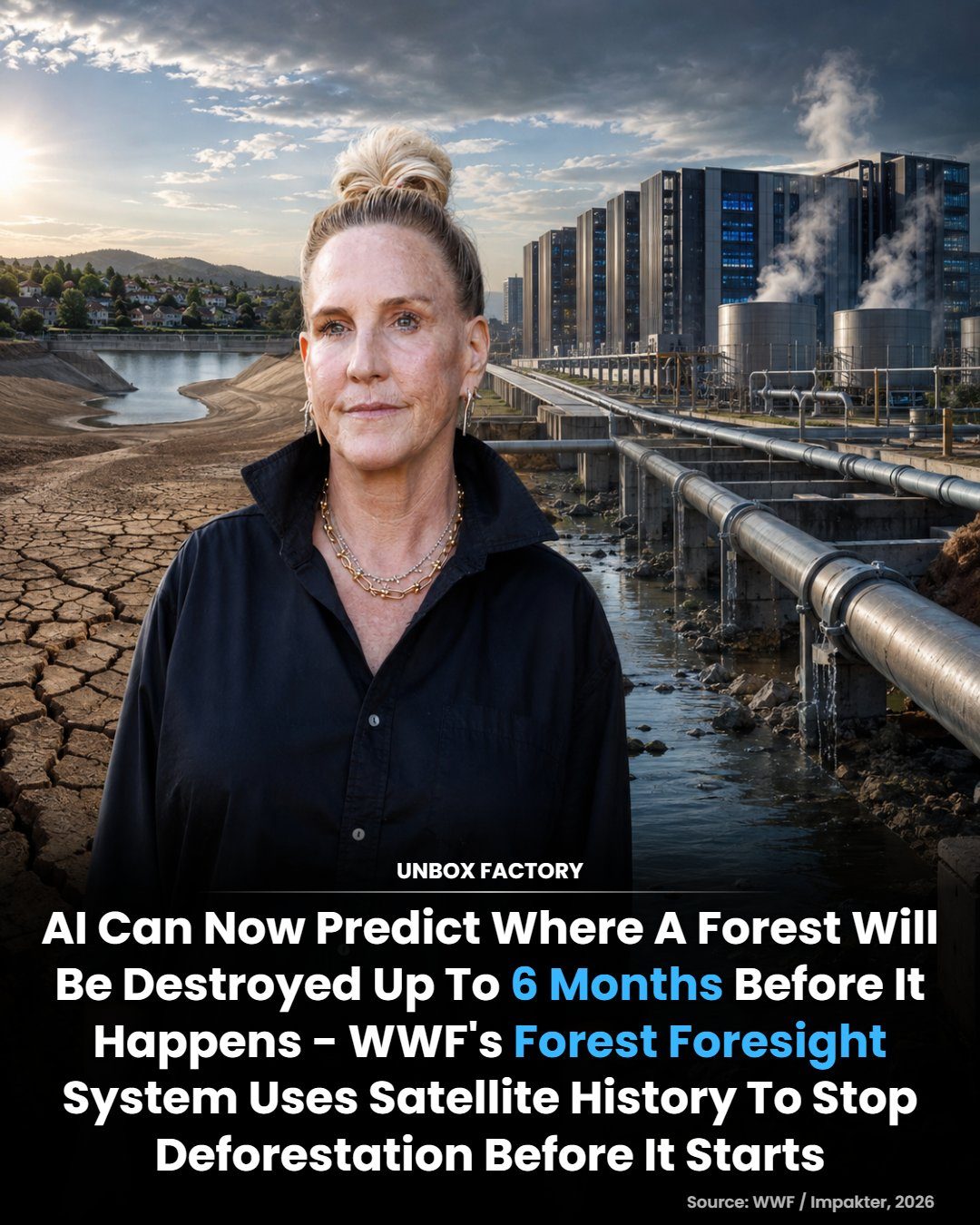
Forest Deforestation Prediction
The integration of AI in environmental conservation has opened new avenues for early detection and prevention of deforestation. WWF’s Forest Foresight System is a groundbreaking initiative that leverages AI and satellite data to predict deforestation up to six months in advance. This proactive approach aims to prevent deforestation before it starts, offering a beacon of hope in the fight against environmental degradation.
Why This Matters
Deforestation remains one of the most pressing environmental issues globally. It contributes to climate change, biodiversity loss, and soil erosion. The ability to predict deforestation before it occurs provides conservationists with a critical advantage. It allows for the implementation of preventive measures, resource allocation, and policy advocacy, ultimately safeguarding our forests and the ecosystems they support.
Predictive Power of AI in Conservation
AI and Satellite Data Integration
AI has revolutionized various industries, and environmental conservation is no exception. WWF's Forest Foresight System uses historical satellite data to analyze forest health and identify areas at risk of deforestation. By analyzing vast amounts of data, the system can detect patterns and anomalies that indicate impending deforestation, allowing for timely intervention.
AI models are trained on extensive datasets that include satellite imagery, geographical information, and historical deforestation patterns. These models can identify subtle changes in forest structure, color, and density that may not be visible to the human eye. By integrating AI with satellite data, conservationists can monitor large areas of forest more efficiently and accurately.
Six-Month Prediction Window
One of the most significant advantages of WWF's Forest Foresight System is its ability to predict deforestation up to six months in advance. This prediction window provides a critical lead time for conservation efforts. It allows governments, NGOs, and local communities to implement measures to protect at-risk areas before deforestation occurs.
This predictive capability is particularly valuable in areas with high deforestation risks, such as the Amazon rainforest, the Congo basin, and Southeast Asia. These regions are often targeted for logging, agriculture, and urban development, making them hotspots for deforestation. Early prediction can help in developing targeted conservation strategies, enforcing regulations, and raising public awareness.
Conservation Strategies
Preventive Measures
The six-month prediction window allows for the implementation of various preventive measures. For instance, conservationists can set up patrols and surveillance in high-risk areas to deter illegal logging and land clearing. Additionally, local communities can be educated about the importance of forest conservation and the threats posed by deforestation.
Resource Allocation
Predictive models also help in the efficient allocation of resources. Conservation efforts often face budget constraints, making it challenging to cover large areas effectively. With AI-driven predictions, resources can be directed to areas where they are most needed, ensuring that conservation efforts are impactful and sustainable.
Policy Advocacy
AI-driven predictions provide robust data and evidence to support policy advocacy. Conservationists can use this data to persuade governments and policymakers to enact stricter regulations and provide stronger protection for threatened forests. The data can also support public awareness campaigns, mobilizing communities to take action against deforestation.
Practical Tips
Community Engagement
Involving local communities in conservation efforts is crucial. AI-driven predictions can help raise awareness and educate communities about the threats to their forests. By working together, communities and conservationists can develop tailored strategies to protect their forests.
Technological Collaboration
Collaboration between conservation organizations, tech companies, and governments is essential for advancing AI in environmental conservation. By sharing data, resources, and expertise, these stakeholders can develop more accurate predictive models and implement effective conservation measures.
Data Sharing and Transparency
Transparent data sharing is vital for the success of predictive models. By providing open access to satellite data and predictive algorithms, conservationists can enhance the accuracy and reliability of deforestation predictions. This transparency also fosters trust and encourages collaboration among various stakeholders.
Important Takeaways
The integration of AI and satellite data in environmental conservation represents a significant leap forward in the fight against deforestation. WWF's Forest Foresight System exemplifies the potential of AI-driven predictions to transform conservation efforts. By providing a six-month prediction window, the system enables proactive measures, efficient resource allocation, and robust policy advocacy.
Conclusion
The future of environmental conservation lies in harnessing the power of technology. AI and satellite data offer unprecedented opportunities to predict and prevent deforestation. WWF's Forest Foresight System is a testament to the potential of these technologies in safeguarding our forests and the ecosystems they support. As we continue to advance AI and data analytics, the prospects for effective and sustainable conservation are brighter than ever.
Watch the Reel
Questions readers ask
What is the WWF's Forest Foresight System and how does it work?
The WWF's Forest Foresight System is an advanced tool that combines AI and satellite data to forecast deforestation up to six months in advance. It works by analyzing vast amounts of data to identify patterns and trends that indicate where and when deforestation is likely to occur, allowing for proactive measures to be taken.
How does AI enhance deforestation prediction efforts?
AI enhances deforestation prediction by processing large datasets from satellite imagery and other sources to detect subtle changes in forest landscapes. It identifies patterns that may indicate imminent deforestation, such as changes in land use or the presence of logging infrastructure, enabling more accurate and timely predictions.
What are the benefits of predicting deforestation before it happens?
Predicting deforestation before it occurs allows conservationists to implement timely preventive measures, such as increased patrols, community engagement, and policy interventions. This proactive approach helps to minimize the impact of deforestation on ecosystems and global climate.
How does satellite data contribute to deforestation prediction?
Satellite data provides a comprehensive view of forest landscapes, capturing changes over time that might indicate deforestation risks. By analyzing this data, AI models can identify areas undergoing rapid land-use changes and predict where deforestation is likely to occur, facilitating early intervention.
What are some preventive measures that can be taken based on deforestation predictions?
Based on deforestation predictions, various preventive measures can be implemented, including enhanced monitoring and patrols, community awareness campaigns, and advocating for stricter enforcement of forestry regulations. Collaborative efforts with local communities and governments can also help in protecting at-risk areas.
What role do AI and satellite data play in global forest conservation?
AI and satellite data play a crucial role in global forest conservation by enabling accurate and timely detection of deforestation risks. They help identify vulnerable areas and facilitate the deployment of resources for effective protection, thus contributing to the preservation of critical ecosystems and biodiversity.
How does the WWF's Forest Foresight System support sustainable forestry practices?
The WWF's Forest Foresight System supports sustainable forestry practices by providing early warnings of deforestation, allowing stakeholders to take proactive steps to protect forests. This helps in promoting sustainable land use and reducing the environmental impact of deforestation, thereby fostering long-term forest health and sustainability.
Related deep dives
Similar reads based on topic and creator.

Recent articles
Fresh deep dives from the latest Reels we unpacked.



Comments
Be the first to comment.