E-Waste from AI Hardware: A Growing Concern
Rapid advancements in artificial intelligence (AI) have brought about significant changes in the tech landscape, but they also come with an unforeseen consequence: e-waste.
The issue of e-waste is not new, but the accelerated pace of AI hardware replacement is exacerbating it. AI hardware, including graphics processing units (GPUs), central processing units (CPUs), and backup batteries, is being discarded at an alarming rate. These components contain toxic metals like lead and chromium, posing serious environmental risks.
Why This Matters
AI hardware adoption alone is projected to contribute substantially to e-waste: approximately 2.5 million tonnes annually by 2030, an enormous leap from the 2,600 tonnes generated in 2023. Researchers from the Chinese Academy of Sciences and Reichman University published a study in Nature Computational Science highlighting that if AI hardware adoption continues to grow, the total accumulated e-waste could reach between 1.2 and 5 million tonnes by 2030. This is equivalent to nearly two smartphones being discarded per person in the world's projected 8.5 billion population.
The Lifecycle of AI Hardware
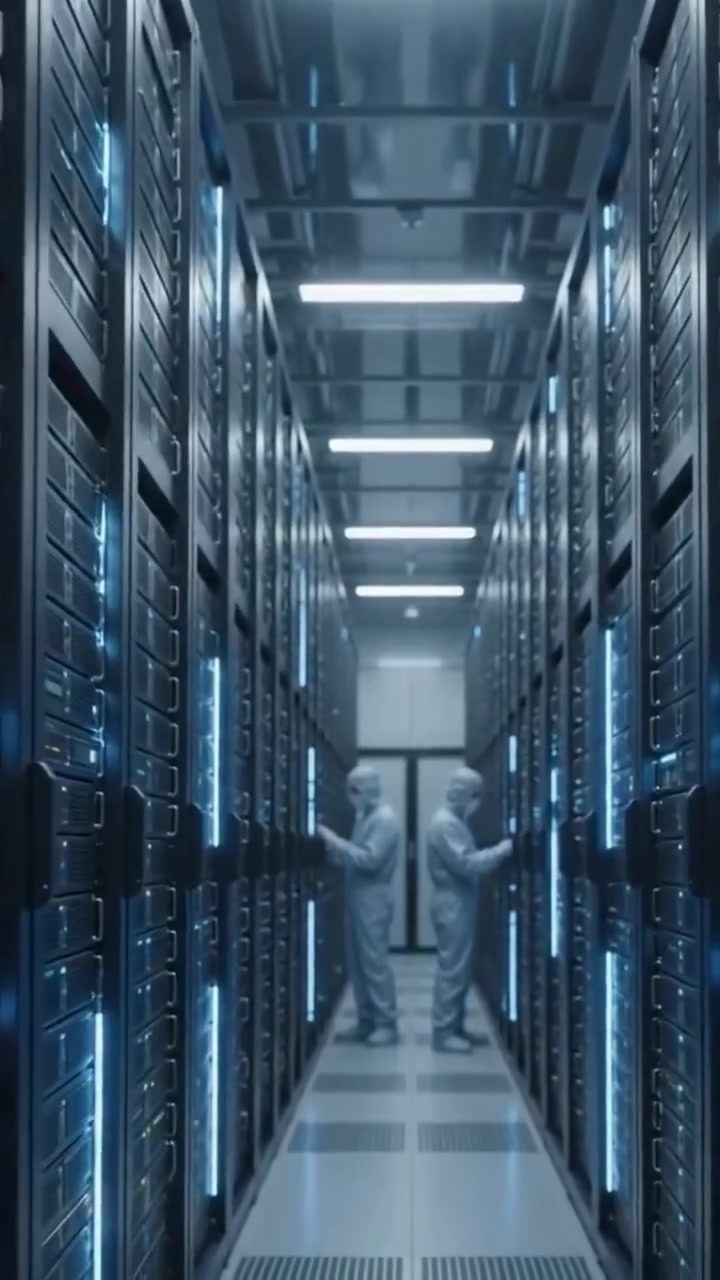
The lifecycle of AI hardware begins in data centers, where rows of servers process vast amounts of data. As technology advances, these servers become obsolete, leading to a massive accumulation of discarded circuit boards, GPUs, and other components. The visuals of piles of electronic waste underscore the environmental impact of this rapid technological advancement.
The discarded components often end up in landfills, where toxic metals leach into the soil and water, causing significant environmental damage. The images of cracked earth with viscous liquids leaking from damaged computer cases serve as a stark reminder of the potential hazards of improperly disposed of e-waste.
The Environmental Impact
The environmental impact of AI hardware e-waste extends beyond just electricity and water use. The production of new hardware requires significant resources, and the disposal of old hardware adds to the pollution. Toxic metals like lead and chromium can contaminate soil and water, posing health risks to both humans and wildlife.
A separate UN University study confirms that AI's material footprint goes beyond energy consumption, highlighting the broader environmental implications. The images of vast landscapes covered in piles of electronic waste, with a sunrise in the background, underscore the urgent need to address this issue.
The Role of a Circular Economy
A circular economy approach, which emphasizes recycling and reusing components, could significantly reduce the projected e-waste from AI hardware. Researchers suggest that this approach could cut the projected waste by up to 86%. This would involve not only recycling materials but also designing hardware for durability and upgradability, ensuring that components can be reused and repurposed.
Practical Tips for Reducing AI Hardware E-Waste
-
Extend the Lifespan of Hardware: Invest in components that can be easily upgraded. This allows you to keep the core components while replacing only the parts that become obsolete.
-
Recycle Responsibly: Ensure that old hardware is disposed of responsibly. Many companies offer e-waste recycling programs that can properly handle toxic materials.
-
Buy Used or Refurbished: Purchasing used or refurbished hardware can reduce the demand for new components, thereby lowering e-waste.
-
Support Sustainable Brands: Choose brands that prioritize sustainability and have robust recycling and reuse programs.
-
Promote Circular Economy Practices: Advocate for policies and practices that promote a circular economy, where components are reused and recycled to minimize waste.
Important Takeaways
The rapid adoption of AI hardware is leading to a surge in e-waste, with serious environmental implications. The projected 2.5 million tonnes of e-waste annually by 2030 is a wake-up call to the tech industry and consumers alike. A circular economy approach, which emphasizes recycling and reusing components, could mitigate this problem significantly. By extending the lifespan of hardware, recycling responsibly, buying used or refurbished, and supporting sustainable brands, we can work towards a more sustainable future for AI hardware.
Conclusion
The growing problem of e-waste from AI hardware is a critical issue that demands attention. As we continue to advance technologically, it is essential to consider the environmental impact of our innovations. By adopting a circular economy approach and making conscious choices about hardware use and disposal, we can reduce the environmental footprint of AI hardware and pave the way for a more sustainable future.
Watch the Reel
Questions readers ask
What are the primary AI components contributing to the e-waste crisis?
The primary AI components contributing to the e-waste crisis are graphics processing units (GPUs), central processing units (CPUs), and backup batteries. These components are often discarded as AI technology advances, leading to a significant increase in electronic waste.
What environmental risks do discarded AI hardware components pose?
Discarded AI hardware components pose serious environmental risks due to the presence of toxic metals like lead and chromium. These metals can contaminate soil and water, harming ecosystems and potentially impacting human health.
How much AI hardware e-waste is projected to be generated annually by 2030?
AI hardware e-waste is projected to reach approximately 2.5 million tonnes annually by 2030, a significant increase from the 2,600 tonnes generated in 2023. This highlights the urgent need for effective waste management strategies in the AI industry.
What are the main reasons for the rapid increase in AI hardware e-waste?
The rapid increase in AI hardware e-waste is primarily due to the accelerated pace of hardware replacement driven by technological advancements. As new, more powerful AI hardware becomes available, older components are quickly discarded, contributing to the growing e-waste problem.
What steps can be taken to manage AI hardware sustainability?
To manage AI hardware sustainability, it is crucial to promote recycling initiatives, extend the lifecycle of AI components, and encourage the development of eco-friendly hardware. Additionally, responsible disposal practices and regulations can help mitigate the environmental impact of AI electronic waste.
How does AI hardware e-waste compare to general e-waste?
AI hardware e-waste is a subset of general e-waste but is growing at a faster rate due to the rapid advancements in AI technology. While general e-waste includes a wide range of discarded electronic devices, AI hardware e-waste specifically refers to components used in artificial intelligence, such as GPUs and CPUs.
Related deep dives
Similar reads based on topic and creator.




Recent articles
Fresh deep dives from the latest Reels we unpacked.




Comments
Be the first to comment.