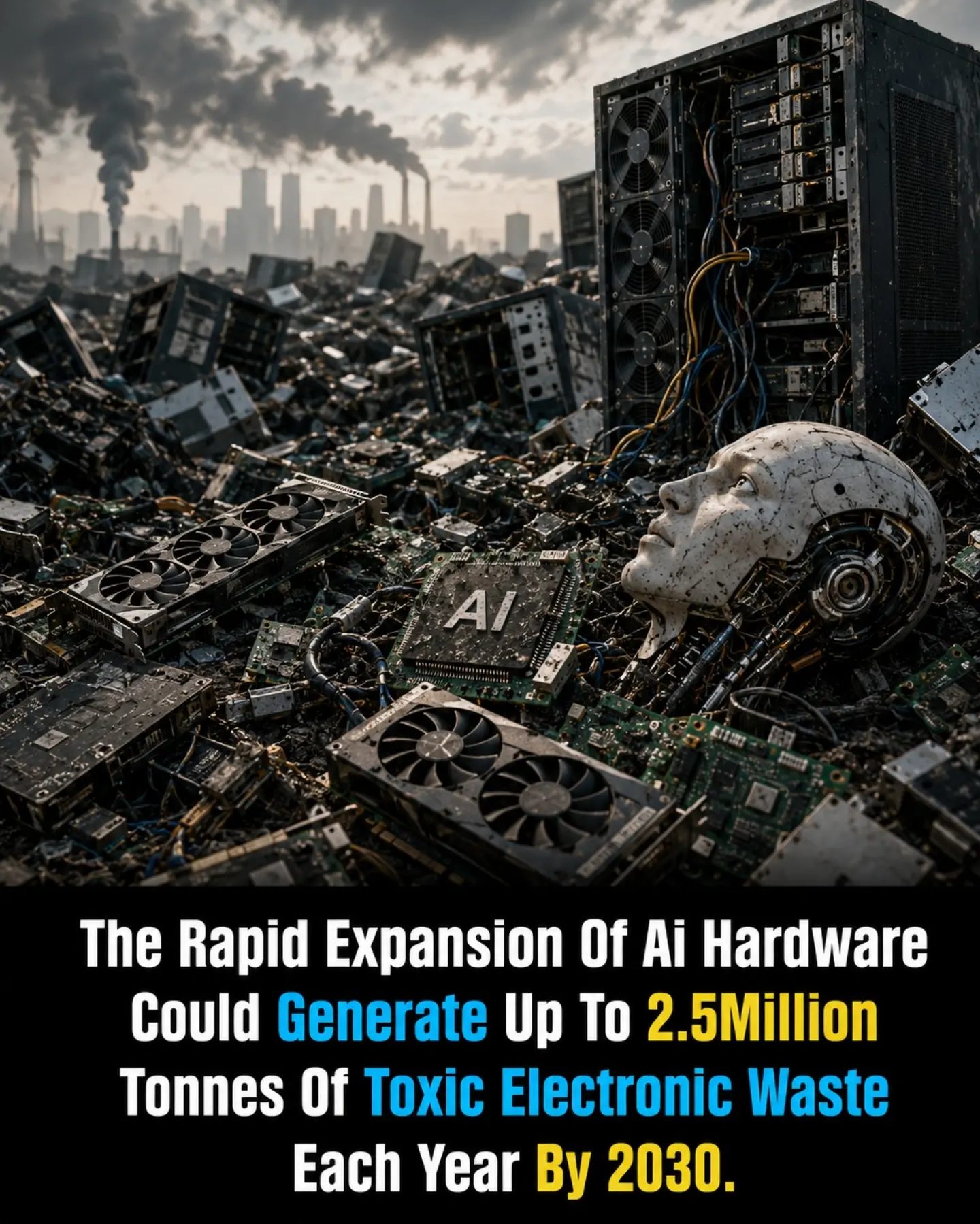
AI Hardware Waste: A Growing Challenge
The rapid expansion of AI hardware is driving a significant increase in electronic waste, posing substantial environmental challenges. By 2030, the industry could generate up to 2.5 million tonnes of toxic electronic waste annually. This waste includes a variety of components such as circuit boards, fans, and other computer hardware, all of which can have lasting impacts on the environment if not managed properly.
Context: Why this matters
The electronic waste generated by AI hardware is not just a matter of discarded devices; it encompasses hazardous materials like heavy metals, flame retardants, and other toxic substances. These materials can leach into soil and water, contaminating ecosystems and posing health risks to both wildlife and humans. Additionally, the energy and resources required to produce new hardware contribute to carbon emissions and deplete natural reserves.
The Scope of AI Hardware Waste
The Growth of AI Hardware
The demand for AI hardware is surging as more industries integrate advanced technologies. Data centers, autonomous vehicles, and smart devices all require powerful processors and specialized hardware to function effectively. This growth is essential for technological progress, but it comes with a hidden cost: the disposal of outdated or malfunctioning hardware. As AI technology advances rapidly, hardware becomes obsolete quickly, leading to a cycle of frequent upgrades and replacements.
Components of AI Hardware Waste
AI hardware waste is composed of various components, each posing unique environmental challenges:
- Circuit Boards: These contain precious metals like gold, silver, and copper, as well as toxic substances like lead and mercury. Proper recycling is crucial to recover valuable materials and prevent environmental contamination.
- Fans and Cooling Systems: These components often contain copper and other metals that can be recycled, but improper disposal can lead to contamination.
- Processors and Memory Modules: These high-tech components contain a mix of valuable and hazardous materials. Recycling these components can recover rare earth elements and other critical materials.
The Dystopian Future
The visual depiction of a dystopian future with piles of electronic waste highlights the potential consequences of unchecked AI hardware waste. The robotic head amidst the debris serves as a grim reminder of the intersection between advanced technology and environmental degradation. This scenario underscores the need for immediate and effective waste management strategies.
Practical Tips for Managing AI Hardware Waste
Responsible E-waste Management
Responsible e-waste management involves several key practices:
- Recycling Programs: Many regions have e-waste recycling programs that accept electronic devices for proper disposal. These programs ensure that hazardous materials are handled safely and that valuable components are recycled.
- Extended Producer Responsibility (EPR): This policy holds manufacturers accountable for the entire lifecycle of their products, including disposal. EPR encourages manufacturers to design products with recycling in mind and to provide take-back programs for old devices.
- Corporate Responsibility: Companies can take proactive measures such as implementing take-back programs, investing in refurbishment, and promoting the reuse of hardware components. This can significantly reduce the environmental impact of AI hardware.
Sustainable Design
Designing hardware with longevity and sustainability in mind is crucial. This includes:
- Modular Design: Components like processors, memory, and storage can be easily upgraded or replaced, extending the lifespan of the hardware.
- Use of Recycled Materials: Incorporating recycled materials in hardware manufacturing can reduce the demand for new resources and lower the overall environmental footprint.
Policy and Regulation
Governments and international bodies play a vital role in managing AI hardware waste by enforcing strict regulations and promoting sustainable practices:
- Regulatory Frameworks: Policies such as the Basel Convention on the Control of Transboundary Movements of Hazardous Wastes and Their Disposal aim to prevent the illegal dumping of e-waste in developing countries.
- International Collaboration: Global cooperation is essential for addressing the transboundary nature of e-waste. International agreements and collaborations can help standardize recycling practices and ensure that e-waste is managed responsibly worldwide.
Important Takeaways
- The rapid expansion of AI hardware is leading to a significant increase in electronic waste, posing environmental and health risks.
- Proper waste management, including recycling and extended producer responsibility, is crucial for mitigating the impacts of AI hardware waste.
- Sustainable design and corporate responsibility can help reduce the environmental footprint of AI hardware.
- International collaboration and strict regulations are essential for effective e-waste management.
Conclusion
The growing challenge of AI hardware waste requires immediate attention and action from all stakeholders, including manufacturers, consumers, governments, and international bodies. By adopting sustainable practices, responsible e-waste management, and promoting circular economy principles, we can mitigate the environmental impacts of AI hardware and ensure a more sustainable future. The dystopian scenario of excessive electronic waste is avoidable if we take proactive steps today.
Watch the Reel
Questions readers ask
What are the main components of AI hardware waste that pose environmental threats?
The main components of AI hardware waste that pose environmental threats include circuit boards, fans, and other computer hardware. These components often contain hazardous materials such as heavy metals and flame retardants, which can leach into soil and water if not properly managed.
How much electronic waste from AI hardware is expected by 2030?
By 2030, the AI industry is projected to generate up to 2.5 million tonnes of electronic waste annually. This rapid expansion of AI hardware is a significant contributor to the growing e-waste problem.
What are the potential health risks associated with AI hardware waste?
AI hardware waste contains toxic substances like heavy metals and flame retardants, which can pose serious health risks. These materials can contaminate ecosystems, affecting both wildlife and human populations, particularly those in areas where e-waste is disposed of improperly.
What makes disposal of AI components particularly challenging?
The disposal of AI components is particularly challenging due to the presence of hazardous materials. Circuit boards, cooling systems, and other components contain substances that require specialized handling and recycling processes to prevent environmental damage and health risks.
Why is proper management of AI hardware waste crucial?
Proper management of AI hardware waste is crucial to mitigate the environmental and health impacts of toxic materials. Without adequate disposal and recycling methods, these materials can contaminate ecosystems, harming both wildlife and human health.
What are the potential long-term impacts of AI hardware waste on the environment?
The long-term impacts of AI hardware waste on the environment include soil and water contamination, which can harm ecosystems and biodiversity. Improper disposal of these materials can lead to lasting environmental damage, affecting both local and global ecosystems.
What role do flame retardants play in AI hardware waste?
Flame retardants are commonly used in AI hardware components to prevent fires. However, they are also toxic and can leach into the environment when these components are disposed of improperly, posing significant health and environmental risks.
Related deep dives
Similar reads based on topic and creator.




Recent articles
Fresh deep dives from the latest Reels we unpacked.




Comments
Be the first to comment.