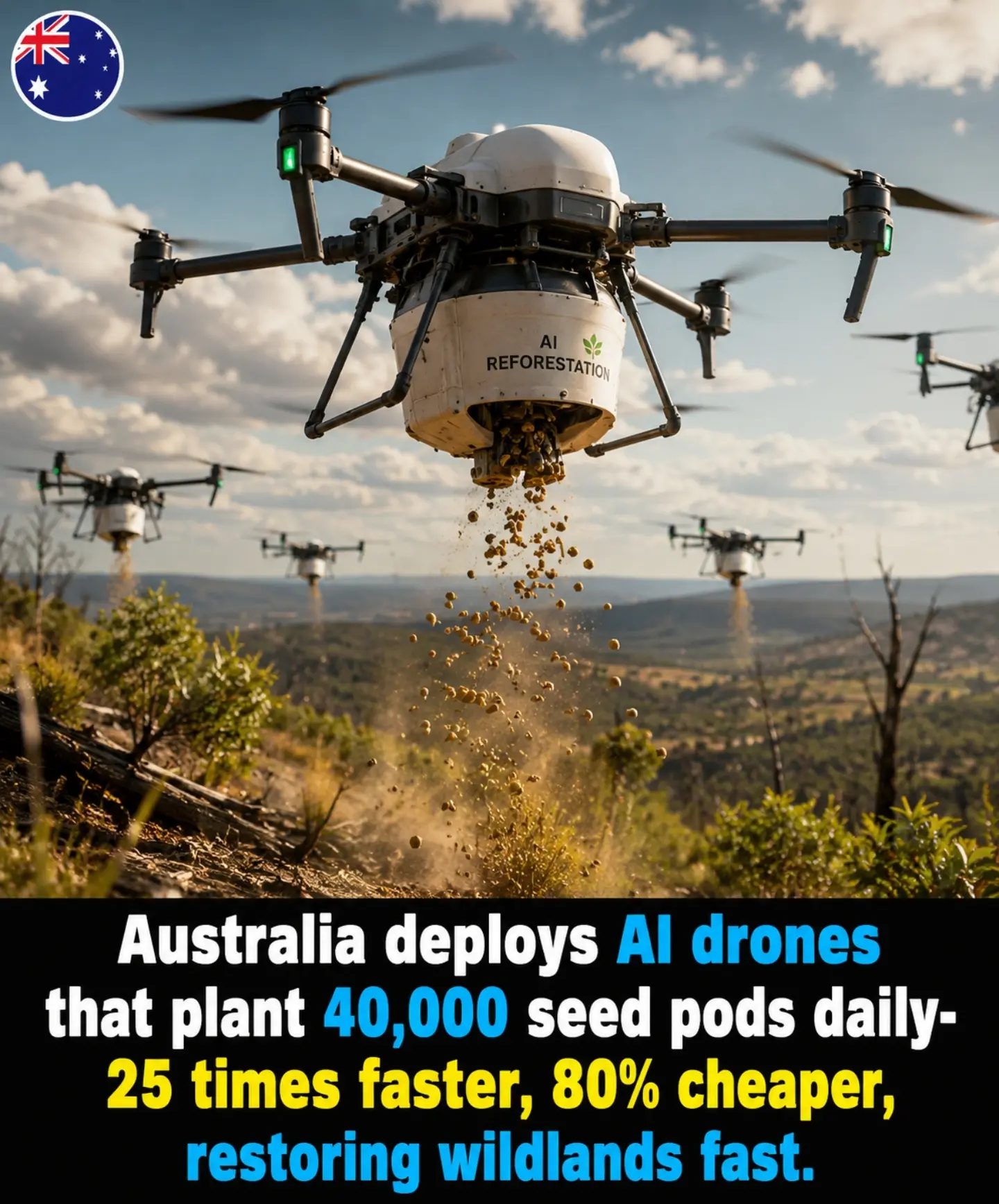
Drone Reforestation: Revolutionizing Land Restoration with AI-Driven Technology
Drone reforestation is a cutting-edge approach that leverages advanced technology to restore wildlands at unprecedented speeds, offering an efficient and cost-effective solution to land degradation. AI REFORESTATION's drones are at the forefront of this innovation, plantings thousands of seed pods daily and transforming the way we approach environmental restoration.
Context: The Need for Efficient Reforestation
Land degradation, deforestation, and environmental damage pose significant threats to ecosystems worldwide. Traditional reforestation methods, while effective, are often slow and labor-intensive. Drones equipped with AI technology are changing this landscape, providing a rapid and efficient solution to restoring wildlands.
The Environmental Impact of Land Degradation
Land degradation affects soil quality, water cycles, and biodiversity. Reforestation is crucial for mitigating these impacts, but traditional methods often fall short due to their slow pace and high costs. Drones offer a more efficient alternative, allowing for the rapid planting of seedlings across large areas.
The Rise of Drone Technology in Reforestation
Drones have emerged as a pivotal tool in environmental conservation. Their ability to cover extensive terrain quickly and plant large numbers of seedlings makes them ideal for large-scale reforestation projects. This technology is particularly relevant in areas where access is difficult or where traditional methods are impractical.
The Role of AI REFORESTATION
AI REFORESTATION is a company at the forefront of drone-based reforestation, utilizing advanced technology to plant thousands of seed pods daily in locations such as Australia. This method not only accelerates the restoration process but also significantly reduces costs, making large-scale reforestation more feasible.
The Technology Behind Drone Reforestation
AI REFORESTATION drones are designed to plant 40,000 seed pods daily. This remarkable efficiency is achieved through advanced AI and GPS technology, which allows the drones to navigate and plant seedlings with precision. The drones can cover vast areas quickly, making them far more effective than traditional methods.
Efficiency and Cost-Effectiveness
One of the standout features of AI REFORESTATION drones is their efficiency. This method is 25 times faster than traditional reforestation techniques, reducing the time required to restore large areas. Additionally, it is 80% cheaper, making it a cost-effective solution for governments and organizations looking to restore wildlands.
How Drone Reforestation Works
Understanding the mechanics of drone reforestation helps appreciate its advantages. The process involves several key steps, from planning to planting, ensuring optimal results.
Planning and Coordination
Before deploying the drones, extensive planning is required. This includes selecting the right seed pods, determining the optimal planting locations, and coordinating drone movements. Advanced mapping and GPS technology play a crucial role in this phase, ensuring that the drones work efficiently and effectively.
Seed Pod Preparation
The seed pods used in drone reforestation are carefully selected and prepared to ensure high germination rates. These pods often contain a nutrient-rich gel that provides the seedlings with the necessary nutrients to thrive in their new environment.
Drone Deployment
Deploying the drones involves launching them from a central location and guiding them to their designated planting areas. The drones use GPS technology to navigate and ensure that they cover the target area comprehensively. Multiple drones can work in coordination, increasing the overall efficiency of the operation.
Planting the Seed Pods
Once the drones reach their target area, they begin planting the seed pods. The drones are equipped with advanced mechanisms that allow them to disperse the pods precisely, ensuring that they are planted at the optimal depth and spacing. This precision is crucial for the survival and growth of the seedlings.
Practical Tips for Implementing Drone Reforestation
For those considering drone reforestation, here are some practical tips to ensure successful implementation.
Choosing the Right Technology
Selecting the right drone technology is essential for successful reforestation. Look for drones that offer advanced GPS and AI capabilities, as these features significantly enhance efficiency and effectiveness. Additionally, consider the specific needs of your project, such as the type of terrain and the species of plants being restored.
Preparing the Site
Preparing the site before drone deployment is crucial. This includes clearing any debris, ensuring the soil is suitable for planting, and addressing any potential obstacles that could hinder the drones' movements. Proper site preparation can significantly improve the success rate of the reforestation project.
Coordinating Drones
Effective coordination is key to maximizing the efficiency of drone reforestation. Use advanced mapping and GPS technology to plan the drones' routes and ensure they cover the target area comprehensively. Multiple drones should work in coordination, with clear communication and synchronization to avoid overlap and ensure optimal coverage.
Monitoring Progress
Regular monitoring of the reforestation progress is essential for ensuring the success of the project. Use drones equipped with cameras and sensors to track the growth of the seedlings, identify any issues, and make necessary adjustments. This ongoing monitoring helps maintain the project's momentum and ensures that the restored area thrives.
Important Takeaways
Drone reforestation, particularly with AI-driven technology like that offered by AI REFORESTATION, offers a revolutionary approach to restoring wildlands. The efficiency and cost-effectiveness of this method make it a viable solution for large-scale environmental restoration projects. By leveraging advanced technology, we can accelerate the recovery of degraded lands and foster healthier, more resilient ecosystems.
Efficiency and Speed
One of the most significant advantages of drone reforestation is its speed. With the ability to plant thousands of seed pods daily, drones can cover vast areas quickly, making them far more efficient than traditional methods. This rapid deployment is crucial for addressing environmental degradation and restoring wildlands.
Cost Savings
In addition to efficiency, drone reforestation is also cost-effective. The method is 80% cheaper than traditional reforestation techniques, making it accessible for organizations and governments with limited budgets. This cost savings allows for more extensive and frequent reforestation projects, leading to greater environmental benefits.
Environmental Impact
The environmental impact of drone reforestation cannot be overstated. By restoring degraded lands quickly and efficiently, we can help mitigate the effects of climate change, improve soil quality, and support biodiversity. This technology provides a practical solution for addressing some of the most pressing environmental challenges of our time.
Conclusion
Drone reforestation, particularly with AI-driven technology, represents a significant leap forward in environmental restoration. By leveraging advanced drones to plant thousands of seed pods daily, we can accelerate the recovery of degraded lands and foster healthier, more resilient ecosystems. This technology offers a cost-effective and efficient solution, making large-scale reforestation projects more feasible than ever before. With the right planning, coordination, and monitoring, drone reforestation can play a crucial role in restoring wildlands and addressing environmental degradation.
Watch the Reel
Questions readers ask
How do AI drones assist in reforestation efforts in Australia?
AI drones in Australia are used to plant thousands of seed pods daily in targeted areas. These drones are equipped with advanced AI that helps in selecting the optimal locations for planting, ensuring that the seeds have the best chance of germination and growth. This automated process significantly speeds up the reforestation efforts.
What makes drone-assisted reforestation more efficient than traditional methods?
Drones can cover large areas quickly and plant seeds in a precise manner, which is difficult to achieve with manual labor. Moreover, AI helps in analyzing the terrain and environmental conditions, ensuring that seeds are planted in the most suitable locations. This results in higher success rates and reduces the need for constant human supervision.
How does the use of AI in reforestation contribute to cost-effectiveness?
By automating the planting process, AI drones reduce the need for extensive manual labor, which is often the most significant cost in traditional reforestation efforts. Additionally, the high precision of AI planting minimizes waste and increases the success rate of seed germination, further reducing overall costs.
What are the main benefits of using drones for large-scale reforestation projects?
Drones can access hard-to-reach areas, making them ideal for large-scale reforestation. They can plant seeds in regions that are difficult for humans to access, ensuring that even remote and rugged terrains can be restored. This capability allows for more comprehensive and widespread reforestation efforts, covering vast areas efficiently.
How do AI drones ensure the success of reforestation efforts?
AI drones use advanced algorithms to analyze soil conditions, weather patterns, and other environmental factors. This data is used to determine the best times and locations for planting, increasing the likelihood of successful seed germination. Additionally, drones can monitor the planted areas, providing real-time data on the progress of reforestation efforts and allowing for timely interventions if necessary.
What role does AI play in the future of reforestation in Australia?
AI is expected to play a pivotal role in future reforestation efforts by continuously improving the efficiency and effectiveness of planting processes. As AI technology advances, drones will become even more precise and capable, allowing for faster and more extensive reforestation. This technology will be crucial in addressing the challenges of land degradation and deforestation, making large-scale restoration projects more feasible.
Related deep dives
Similar reads based on topic and creator.


Recent articles
Fresh deep dives from the latest Reels we unpacked.




Comments
Be the first to comment.