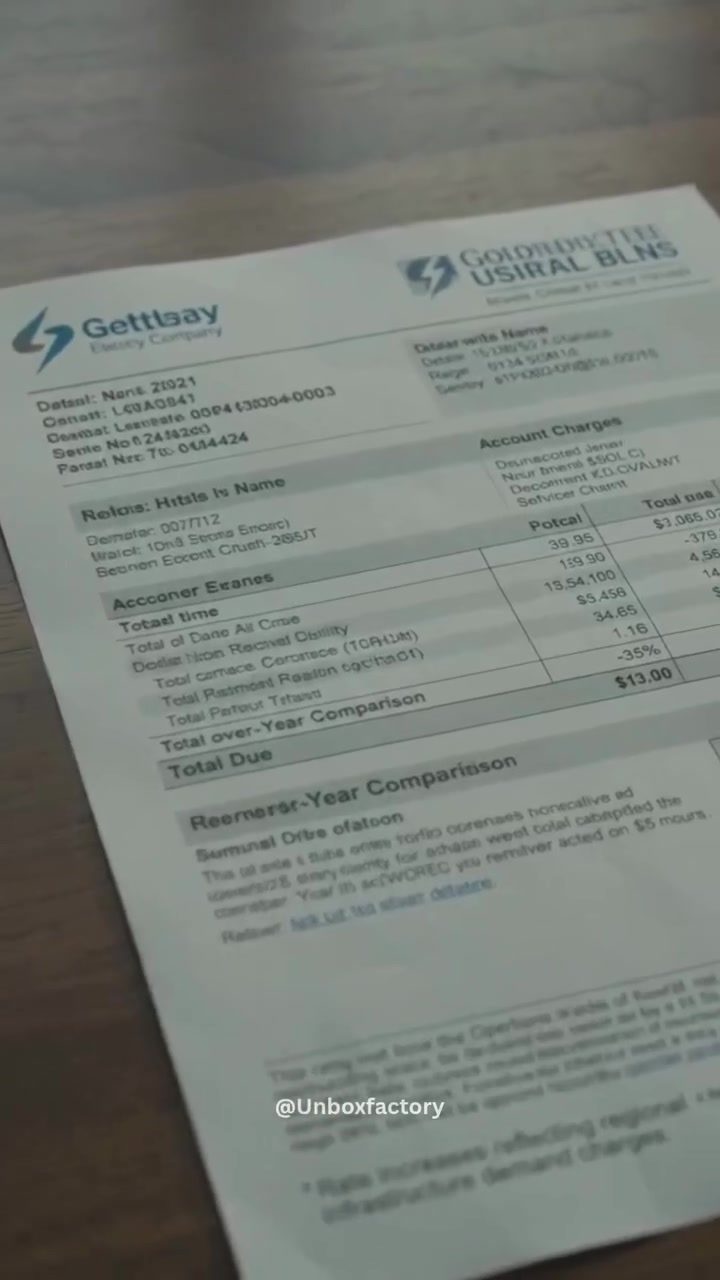
AI Data Centers and Rising Household Electricity Bills
The demand for data centers, particularly those supporting AI operations, is driving up household electricity bills across America. This trend, confirmed by Goldman Sachs, is a result of the intricate dynamics within the wholesale power market and capacity pricing mechanisms. Understanding this issue is crucial for both data center operators and residential consumers.
Context: The Intersection of AI and Power Demand
AI data centers require massive amounts of electricity to power their operations. This increased demand puts a strain on the power grid, leading to higher capacity prices. The PJM Interconnection, which serves 67 million people, has seen residential electricity bills rise by over 44% in some areas. This sharp increase is directly linked to the growing demand from data centers, which outpaces the grid's ability to supply power.
The Mechanism Behind Rising Electricity Bills
The root of this issue lies in capacity pricing. When data center demand surges, it drives up the cost of electricity on the wholesale market. This, in turn, affects the retail rates that residential customers pay. The increased capacity prices are a direct result of data centers pushing the grid to its limits, requiring additional investment in infrastructure. However, the costs of this investment are not borne exclusively by the data centers; instead, they are distributed across all customers on the same grid.
The Geographic Overlap
The most affected regions are those with the highest concentrations of data centers. In these areas, the demand for electricity is particularly high, and the grid is under significant strain. This imbalance leads to price spikes, which are reflected in the retail rates that residential customers pay. The data centers, which operate under commercial contracts, often pay negotiated rates that do not fully reflect the capacity costs they impose on the grid. This means that residential customers, who pay regulated retail rates, ultimately absorb the cost of capacity shortfalls.
The Impact on Residential Customers
The average U.S. household is now paying more for electricity than it did two years ago. This increase is primarily due to the rise in capacity prices driven by data center demand. The financial burden is felt most keenly by consumers in regions with dense data center concentrations. These consumers are paying not only for their own electricity use but also for the additional capacity required to support data center operations.
Practical Tips for Managing Electricity Costs
While the issue of rising electricity bills due to data center demand is complex, there are several steps that households can take to manage their electricity costs:
-
Energy Efficiency: Implementing energy-efficient practices and technologies can help reduce overall electricity consumption. This includes using energy-efficient appliances, improving home insulation, and adopting smart home technologies that optimize energy use.
-
Time-of-Use Pricing: Many utility companies offer time-of-use pricing plans, which charge different rates based on the time of day. By shifting energy-intensive activities to off-peak hours, households can save money on their electricity bills.
-
Renewable Energy: Investing in renewable energy sources, such as solar or wind power, can help reduce dependence on the grid and lower electricity costs. Some states offer incentives and rebates for households that switch to renewable energy.
-
Advocacy and Policy Engagement: Engaging with local policymakers and utility companies to advocate for fairer pricing structures and increased investment in grid infrastructure can also help address the issue. By raising awareness and pushing for policy changes, consumers can play a role in shaping the future of electricity pricing.
Important Takeaways
- AI Data Center Demand: The increasing demand for AI data centers is a significant driver of rising electricity prices.
- Capacity Pricing: The wholesale power market's capacity pricing mechanisms are the underlying cause of the price spikes that residential customers experience.
- Geographic Overlap: Regions with high concentrations of data centers are seeing the sharpest increases in electricity bills.
- Consumer Impact: Residential customers are paying more for electricity, reflecting the cost of capacity shortfalls driven by data center demand.
Conclusion
The intersection of AI data center demand and rising household electricity bills is a complex issue with far-reaching implications. By understanding the mechanisms behind this trend and taking practical steps to manage electricity costs, households can navigate the challenges posed by this new reality. The key to addressing the issue lies in a combination of energy efficiency, policy engagement, and investment in renewable energy. Ultimately, a balanced approach that considers the needs of both data center operators and residential customers is essential for creating a sustainable and equitable electricity market.
Watch the Reel
Related deep dives
Similar reads based on topic and creator.



Recent articles
Fresh deep dives from the latest Reels we unpacked.




Comments
Be the first to comment.