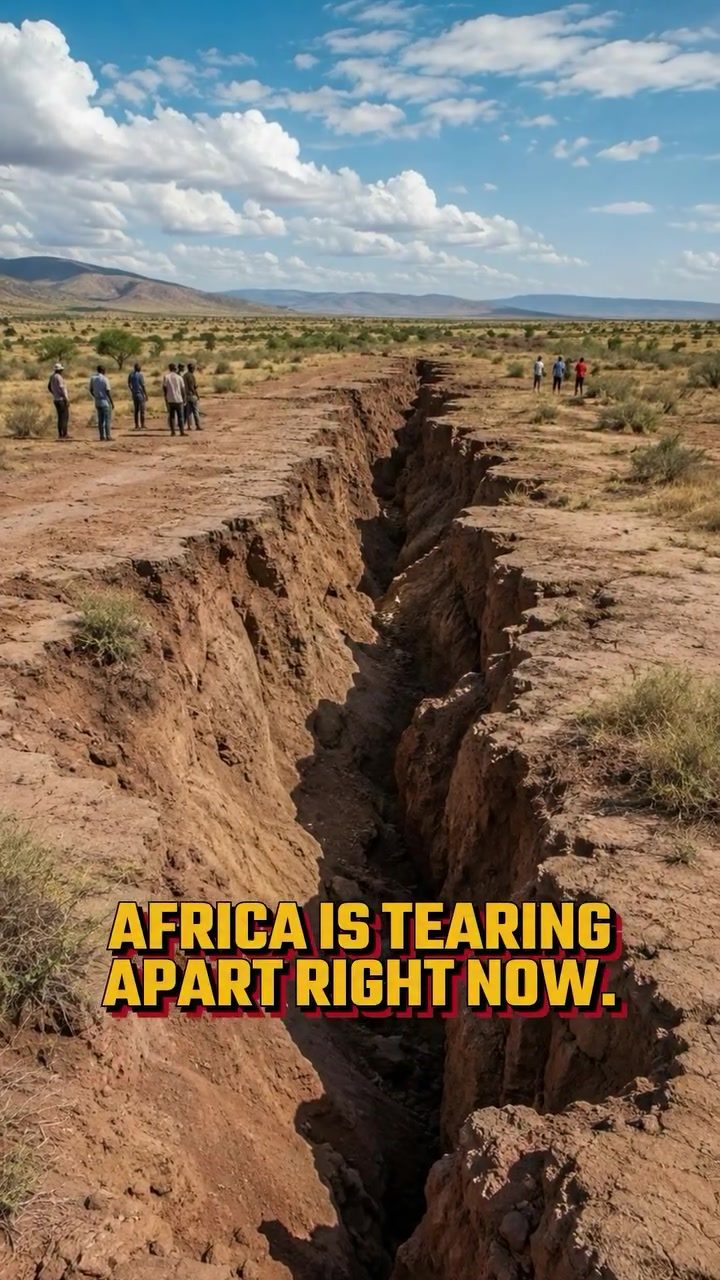
Africa Is Tearing Apart
Africa is experiencing a profound geological transformation. Scientists have discovered the first active "necking zone" in the East African Rift of Kenya, a region where the Earth's crust has thinned dramatically. This phenomenon marks a significant milestone in the process of continental breakup, which ultimately leads to the formation of new ocean basins. Although the full transformation will take millions of years, the tectonic forces driving this change are already active.
Why This Matters
Understanding the geological processes at work in East Africa is crucial for several reasons. This region is not only a hotspot for geological activity but also a critical area for studying the Earth's history and future. The East African Rift stretches thousands of kilometers across the continent and has played a pivotal role in shaping landscapes, ecosystems, and even the preservation of early human fossils. By examining the rifting process, scientists can gain deeper insights into how continents evolve and how new landforms and oceans are created.
Main Discussion
The East African Rift
The East African Rift is one of the most fascinating geological features on Earth. It is a divergent plate boundary where the African Plate is gradually splitting into two smaller plates: the Nubian Plate and the Somali Plate. This rifting process is driven by tectonic forces that pull the plates apart, creating a valley that can stretch thousands of kilometers. The rifting process is not uniform and occurs at different rates and intensities across the region.
The East African Rift is divided into several segments, including the Main Ethiopian Rift, the Kenyan Rift, and the Gregory Rift. These segments are characterized by a series of faults, volcanoes, and volcanoes, which are indicative of the intense geological activity. The rifting process has led to the formation of deep valleys, such as the Great Rift Valley, and has played a significant role in shaping the topography of the region.
The Necking Zone
One of the most intriguing aspects of the East African Rift is the presence of a necking zone in Kenya. A necking zone is an area where the Earth's crust has thinned significantly, reaching a thickness of just 12.7 kilometers from an original thickness of 35 kilometers. This thinning is a result of the tectonic forces pulling the African Plate apart, which is causing the crust to stretch and thin.
The discovery of this necking zone is significant because it is the first time geologists have observed a continent reaching this stage of breakup. This phenomenon indicates that the process of creating a new ocean has already begun, and it marks a major geological threshold. The necking zone is a critical area for studying the early stages of continental rifting and the formation of new ocean basins.
The Formation of a New Ocean
The rifting process in East Africa is expected to eventually lead to the formation of a new ocean basin. This process will take millions of years, and it is driven by the gradual separation of the Nubian and Somali Plates. As the plates continue to pull apart, the rift valley will widen and deepen, eventually flooding with seawater to create a new ocean.
The formation of a new ocean basin will have significant implications for the region's geology, climate, and biodiversity. The rifting process will create new marine environments, which will support a diverse range of marine life. It will also alter the climate and weather patterns in the region, potentially leading to the formation of new ecosystems.
The Geological Threshold
The discovery of the necking zone in Kenya marks a major geological threshold in the process of continental breakup. This threshold indicates that the forces driving the rifting process are already underway and that the creation of a new ocean basin is inevitable. The process of continental rifting is a slow and gradual one, but it is a critical aspect of the Earth's geological evolution.
The necking zone in Kenya is a unique opportunity for scientists to study the early stages of continental rifting and the formation of new ocean basins. By examining the geological processes at work in this region, scientists can gain deeper insights into the Earth's history and future. This knowledge is essential for understanding the complex dynamics of plate tectonics and the evolution of the Earth's surface.
Practical Tips
Monitoring Geological Activity
Living in or near a region of active geological activity, such as the East African Rift, requires vigilance and preparation. Here are some practical tips for monitoring and staying safe during geological events:
- Stay Informed: Keep up-to-date with the latest geological research and news from reputable sources. This will help you understand the risks and prepare for potential hazards.
- Know the Signs: Learn to recognize the signs of geological activity, such as increased seismic activity, ground deformation, and changes in water levels. These signs can indicate that a geological event is imminent.
- Prepare an Emergency Kit: Have an emergency kit ready with essential supplies, such as water, non-perishable food, a first-aid kit, and important documents. This will ensure you are prepared in case of an emergency.
- Have an Evacuation Plan: Develop an evacuation plan and know the safest routes to take in case of an emergency. Make sure your family and neighbors are aware of the plan and practice it regularly.
- Stay Safe During Events: If a geological event occurs, follow safety guidelines to stay safe. This may include evacuating the area, seeking higher ground, or sheltering in place.
Research and Education
For those interested in the geological processes in East Africa, there are several opportunities for research and education:
- Join Geological Surveys: Participate in geological surveys and excavations in the region. This will provide hands-on experience and a deeper understanding of the geological processes at work.
- Attend Workshops and Conferences: Attend workshops, conferences, and seminars related to geology and plate tectonics. These events provide opportunities to learn from experts and network with other professionals.
- Study Geology: Pursue a degree in geology or a related field. This will provide a comprehensive understanding of the Earth's geological processes and prepare you for a career in the field.
Supporting Scientific Research
Supporting scientific research is essential for advancing our understanding of geological processes. Here are some ways to support ongoing research:
- Donate to Research Projects: Contribute to research projects focused on the East African Rift and other geological hotspots. Your support will help fund critical research and advance our knowledge.
- Volunteer Your Time: Offer your time and skills to support research projects. This can include fieldwork, data analysis, or public outreach.
- Advocate for Funding: Advocate for increased funding for geological research and education. This can be done through letter-writing campaigns, public speaking, or lobbying policymakers.
Important Takeaways
The discovery of the necking zone in Kenya is a significant milestone in the study of continental rifting and the formation of new ocean basins. This phenomenon highlights the dynamic nature of the Earth's surface and the ongoing processes that shape our planet. By understanding the geological processes at work in the East African Rift, we can gain deeper insights into the Earth's history and future.
The formation of a new ocean basin in East Africa will have profound implications for the region's geology, climate, and biodiversity. This process will create new marine environments, alter climate and weather patterns, and potentially lead to the formation of new ecosystems. Monitoring and studying these changes will provide valuable insights into the complex dynamics of plate tectonics and the evolution of the Earth's surface.
Conclusion
The East African Rift is a remarkable geological feature that offers a unique opportunity to study the early stages of continental rifting and the formation of new ocean basins. The discovery of the necking zone in Kenya marks a major geological threshold, indicating that the process of creating a new ocean basin has already begun. This phenomenon highlights the dynamic nature of the Earth's surface and the ongoing processes that shape our planet.
By understanding the geological processes at work in the East African Rift, we can gain deeper insights into the Earth's history and future. This knowledge is essential for preparing for and mitigating the impacts of geological events, as well as for advancing our understanding of the complex dynamics of plate tectonics. Whether you are a scientist, student, or simply interested in the natural world, the East African Rift offers a fascinating glimpse into the ever-changing landscape of our planet.
Watch the Reel
Questions readers ask
What is the East African Rift and why is it significant?
The East African Rift is a large fissure in the Earth's crust that stretches across East Africa. It's significant because it marks where the African continent is slowly separating, a process that could ultimately lead to the formation of a new ocean and a new continent.
How does Africa's geological transformation benefit scientific research?
It provides a unique opportunity for scientists to study a continent in the process of breaking apart, offering insights into how new ocean basins form. This is a rare event, and studying it helps scientists understand the geological processes of our planet.
At what rate is Africa splitting apart and how long will the process take?
The process of Africa splitting apart is incredibly slow, with the continent separating at a rate of about 6–7 millimeters per year. The process will take millions of years to complete, so it is practically unnoticeable in human terms.
What is an active 'necking zone' and what is its significance to Africa's geological transformation?
The necking zone, discovered in Kenya, is where the Earth's crust has thinned dramatically. It is significant because it marks a crucial stage in the continental breakup, where the Earth's crust is stretching and thinning to the point where it may eventually rupture.
What is the East African Rift System and its importance in understanding Africa's geological transformation?
The East African Rift System is a network of faults and fissures that stretches thousands of kilometers across East Africa. It is important for understanding Africa's geological transformation as it is where the continent is actively separating and providing a firsthand look at the birth of a new ocean.
What are the tectonic forces driving the transformation of Africa?
The tectonic forces are primarily driven by a mantle plume, which is a hot upwelling of material from deep within the Earth. This causes the crust to thin and ultimately leads to the separation of the continent. Additionally, convection currents within the Earth contribute to the forces acting on the plates.
What are the potential impacts of Africa's geological transformation on the region's landscape and environment?
Over time, the transformation will lead to significant changes in the landscape, including increased volcanic activity, the formation of new landforms, and shifts in climate patterns. These changes will alter the environment, impacting local ecosystems and wildlife habitats.
Recent articles
Fresh deep dives from the latest Reels we unpacked.




Comments
Be the first to comment.