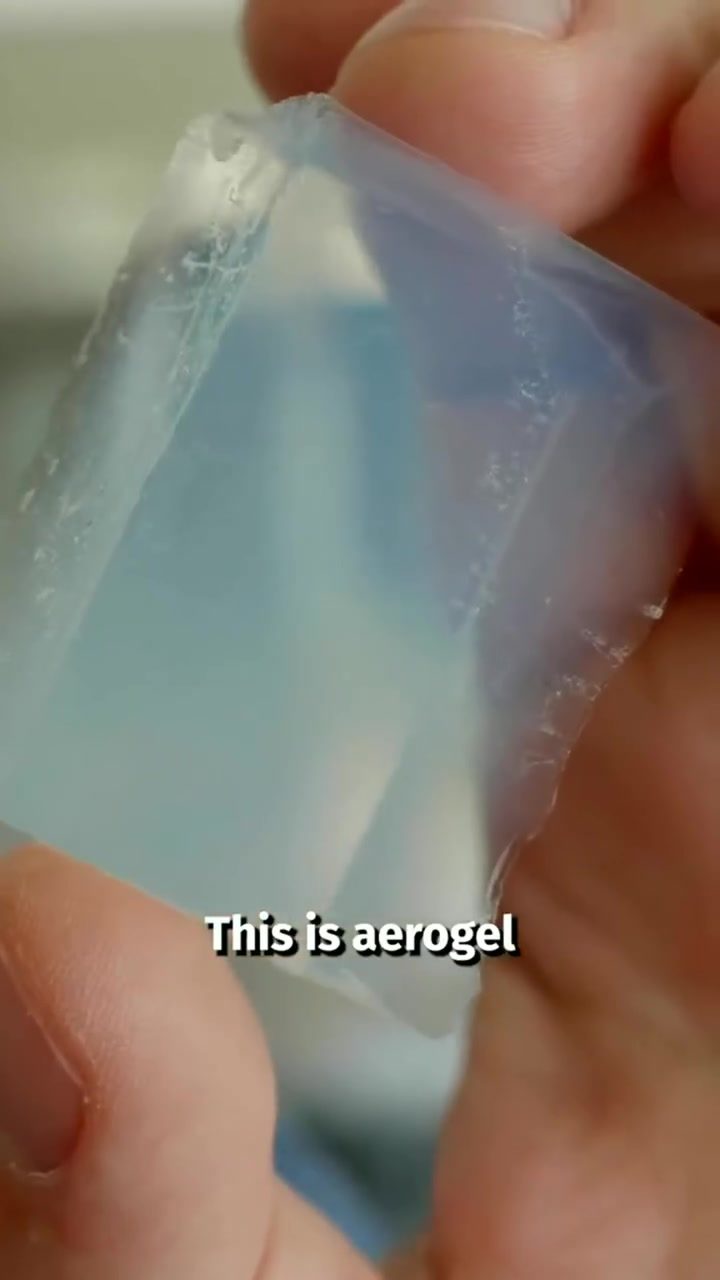
Aerogel: An Innovative Approach to Solar-Driven Desalination
Aerogel, one of the lightest solids on Earth, is known for its incredible insulating properties and resistance to extreme temperatures. But can this remarkable material also help make the ocean drinkable? Researchers at the Hong Kong Polytechnic University have been exploring exactly that, using aerogel to enhance solar-driven desalination through evaporation. Here’s how they’re doing it.
Why This Matters
Access to clean water is a global challenge, particularly in regions where seawater is the primary water source. Traditional desalination methods, while effective, can be energy-intensive and costly. Solar-driven desalination offers a more sustainable approach, but it faces significant efficiency issues. Aerogel, with its unique properties, could be the key to overcoming these challenges.
Aerogel and Solar Desalination
The Problem with Current Methods
Desalination by solar evaporation seems straightforward: heat up salty water and collect the resulting freshwater. However, water absorbs light deep below the surface, so most of the solar energy just warms the bulk of the water. Only around 40% of the energy actually drives evaporation, making the process highly inefficient. This is why solar evaporators struggle to produce large quantities of clean water effectively.
Aerogel's Unique Properties
Aerogel's extremely porous structure makes it an excellent material for enhancing solar desalination. To create an effective evaporator, researchers at Hong Kong Polytechnic University 3D print the aerogel material and then freeze it. This process leaves behind microscopic vertical channels within the aerogel, resembling bundles of drinking straws. When the aerogel is floated on water, these channels create a suction effect, drawing water up to the surface where it forms a thin film. Only this film gets heated, ensuring that almost all the energy goes into evaporation.
Overcoming the Boundary Layer Issue
Despite its effectiveness, aerogel-based evaporators face another challenge: the boundary layer. This is a thin layer of warm, humid air that forms just above the surface of the water, blocking dry air from entering and slowing down evaporation. Think of it like the steam lingering above a cup of coffee—it doesn’t rise straight off but instead creates a barrier that slows cooling.
For aerogel evaporators, this boundary layer creates a vapor blanket. While vapor near the edges can escape, the vapor in the middle gets trapped, backing up inside the pores and slowing evaporation to a crawl. This is why traditional solar evaporators become less efficient as they scale up.
The Solution: Spaghetti-Like Mesh
To address this issue, the researchers redesigned the aerogel structure. Instead of a dense bed of porous material, they created a strange-looking spaghetti-like mesh with open gaps hundreds of microns wide. These gaps act like open highways, preventing the boundary layers from merging and giving vapor a clean exit. This innovative design allows the aerogel evaporator to be scaled up effectively, with the potential to produce two kilograms of clean water per meter squared of material per hour.
Practical Tips for Effective Solar Desalination
If you’re considering using aerogel for solar desalination, here are some practical tips to keep in mind:
- Material Choice: Ensure you’re using high-quality aerogel with the right porosity and thermal conductivity.
- Structure Design: Opt for a spaghetti-like mesh structure with open gaps to prevent boundary layer issues.
- Scalability: Design your system with scalability in mind, ensuring that the structure can handle increased water volumes without losing efficiency.
- Energy Efficiency: Focus on minimizing energy loss by ensuring that most of the solar energy is used to heat the thin film of water on the surface.
Important Takeaways
Aerogel-based solar desalination offers a promising solution to the global water crisis. By addressing the inefficiencies of traditional methods, researchers have developed a scalable and effective system. The key takeaways are:
- Aerogel’s Porous Structure: Its microscopic channels draw water to the surface, enhancing evaporation.
- Boundary Layer Management: The spaghetti-like mesh design prevents vapor from getting trapped, improving efficiency.
- Scalability: The new design allows for large-scale production of clean water.
Conclusion
Aerogel’s unique properties and innovative design solutions offer a promising path forward for solar desalination. While the technology is still in the lab, it has the potential to make a significant impact on global water access. As engineers and scientists continue to push the boundaries of what’s possible, initiatives like Team Water are taking immediate action to bring clean water to people in need. By supporting local, lasting infrastructure, we can work towards a future where clean water is accessible to all.
Watch the Reel
Questions readers ask
How does aerogel enhance solar-driven desalination?
Aerogel enhances solar-driven desalination through its unique porous structure, which allows it to absorb and retain heat effectively. This property improves the efficiency of the desalination process by maximizing sunlight absorption and minimizing heat loss, making it a more effective material for converting seawater into drinking water.
What makes aerogel a promising material for desalination?
Aerogel is promising for desalination due to its light weight, excellent insulating properties, and ability to withstand extreme temperatures. Additionally, its porous structure facilitates better energy efficiency, making it an ideal material for improving the efficiency of solar-driven desalination processes.
How does the solar desalination process work with aerogel?
In the solar desalination process using aerogel, the material is positioned to absorb sunlight, which heats up the aerogel. This heat is then used to evaporate seawater, leaving behind salt and other impurities. The vapor is collected and condensed back into liquid form, producing clean water from seawater.
What are the benefits of using aerogel in solar water desalination?
Using aerogel in solar water desalination offers several benefits, including improved energy efficiency, reduced operational costs, and better performance in regions with abundant sunlight. Additionally, aerogel's ability to retain heat enhances the overall productivity of the desalination process.
Can aerogel be used in combination with other materials for solar desalination?
Yes, aerogel can be integrated with other materials to further enhance the solar desalination process. Researchers often combine aerogel with materials that have strong sunlight absorption properties or those that can help in the condensation process, creating hybrid systems that optimize the overall efficiency and yield of clean water.
What challenges does aerogel address in traditional desalination methods?
Traditional desalination methods often face challenges such as high energy consumption and high operational costs, which can be mitigated by using aerogel. Aerogel reduces the energy required for heating seawater, making the process more sustainable and cost-effective.
Related deep dives
Similar reads based on topic and creator.


Recent articles
Fresh deep dives from the latest Reels we unpacked.




Comments
Be the first to comment.