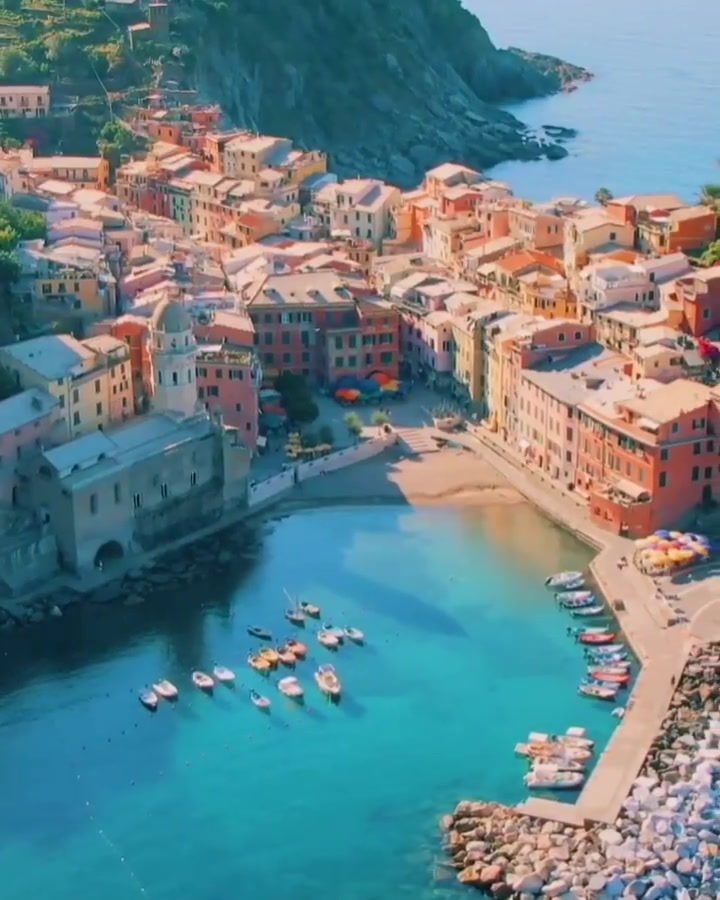
Scenic Italian Village
Nestled along the Italian coastline, there are villages that offer a unique blend of natural beauty and historic charm. These coastal towns are distinguished by their vibrant colors, tightly packed buildings, and tranquil harbors filled with boats. The scene exudes a sense of tranquility and picturesque beauty, highlighting the charm of a coastal Italian town.
Why This Matters
Italy is renowned for its stunning landscapes and rich cultural heritage. Coastal villages, in particular, offer a glimpse into a way of life that has remained relatively unchanged for centuries. These villages are not just charming tourist destinations; they are living testimony to Italy's maritime history and its deep connection to the sea. Whether you're a traveler seeking a serene getaway or a history buff eager to explore ancient traditions, these coastal towns offer an immersive experience that's hard to match.
Exploring the Coastal Charms
Vibrant Architecture
The villages are characterized by their colorful buildings, each with its own unique story to tell. The vibrant hues of the buildings are not just aesthetically pleasing; they also serve a practical purpose. The bright colors help to withstand the harsh Mediterranean sun and the salty sea air, which can wear down structures over time. The tightly packed buildings create a sense of community and togetherness, with narrow alleyways and courtyards that offer shade and protection from the elements.
Coastal Harbors
A prominent feature of these villages is their small harbor filled with boats. These harbors are the lifeblood of the community, serving as both a place for fishing and a hub of social activity. The boats, often brightly colored and adorned with symbols, are a testament to the villagers' deep connection to the sea. The harbors are also a great place to witness the daily activities of the locals, from fishermen mending their nets to children playing by the shore.
Rocky Shorelines and Natural Beauty
The rocky shorelines of these villages add to their charm, providing a stark contrast to the colorful buildings and the blue sea. The rugged terrain is often dotted with small beaches and coves, perfect for a quiet swim or a relaxing walk. The natural beauty of the coastline is further enhanced by the lush greenery that surrounds the villages, with olive groves, vineyards, and citrus orchards adding to the scenic landscape.
Practical Tips for Visiting
If you're planning a visit to these scenic Italian villages, here are some practical tips to help you make the most of your trip.
Best Time to Visit
The best time to visit these coastal villages is during the spring or fall. The weather is pleasant, and the crowds are smaller compared to the peak summer months. Spring offers the added bonus of blooming flowers and lush greenery, while fall brings with it the harvest season, allowing you to enjoy fresh local produce.
Getting Around
Many of these villages are best explored on foot. The narrow alleys and steep streets are not always accessible by car, and walking allows you to fully immerse yourself in the local culture. For those who prefer a more leisurely pace, consider renting a boat to explore the coastline from the water.
Local Cuisine
No visit to a coastal Italian village would be complete without sampling the local cuisine. Fresh seafood is a staple, with dishes like grilled fish, seafood pasta, and oysters being particularly popular. Don't forget to try the local wines, which are often produced from grapes grown in the surrounding vineyards. Local bakeries and markets offer a chance to indulge in traditional Italian sweets and pastries.
Important Takeaways
Visiting a scenic Italian village offers more than just beautiful scenery. It's an opportunity to immerse yourself in a rich cultural heritage, experience the local way of life, and enjoy some of the world's finest cuisine. These villages are a testament to Italy's enduring charm and its deep connection to the sea, making them a must-visit for any traveler.
Conclusion
Coastal Italian villages are a treasure trove of natural beauty and cultural richness. With their vibrant architecture, picturesque harbors, and rocky shorelines, these villages offer a unique and memorable experience. Whether you're looking to relax by the sea, explore historic sites, or indulge in delicious cuisine, these villages have something to offer everyone. So, if you’re planning your next getaway, consider these enchanting coastal towns for an unforgettable journey.
Watch the Reel
Questions readers ask
What makes Italian coastal villages unique compared to other Italian destinations?
Italian coastal villages stand out due to their vibrant colors, tightly packed buildings, and tranquil harbors. These villages offer a unique blend of natural beauty and historic charm, providing a glimpse into Italy's maritime history and cultural heritage.
What can visitors expect to see during an aerial tour of a coastal village?
An aerial tour reveals the picturesque layout of coastal villages, with colorful buildings cascading down to the sea, bustling harbors filled with boats, and stunning natural landscapes. It offers a bird's-eye view of the village's architecture and its harmonious integration with the coastal environment.
How do Italian coastal villages preserve their maritime history?
Many Italian coastal villages preserve their maritime history through their architecture, traditional boat-building techniques, and local fishing practices. These villages often feature historic harbors and buildings that have been used for centuries, showcasing a way of life deeply connected to the sea.
What is the best time of year to visit an Italian coastal village?
The best time to visit an Italian coastal village depends on your preferences. For pleasant weather and fewer tourists, consider visiting in the spring (April to June) or fall (September to October). Summer (July to August) is peak season with warmer temperatures and more crowded beaches, while winter (November to March) offers a quieter, more tranquil experience.
Are there opportunities for water activities in these coastal villages?
Yes, many Italian coastal villages offer a variety of water activities. Visitors can enjoy swimming, snorkeling, scuba diving, and boat tours. Some villages also provide opportunities for sporting activities like sailing, kayaking, and paddleboarding, allowing travelers to fully immerse themselves in the coastal experience.
Related deep dives
Similar reads based on topic and creator.




Recent articles
Fresh deep dives from the latest Reels we unpacked.



Comments
Be the first to comment.