The Privileges of Modern Travel
Traveling the world is an enriching experience. It broadens our horizons, exposes us to new cultures, and creates lasting memories. However, it's also important to acknowledge the privileges that come with this experience. From the comfort of economy class flights to the convenience of dining in foreign lands, these privileges highlight the disparities in global access to travel and leisure.
Why This Matters
Understanding the privileges of travel is crucial. It fosters gratitude and empathy, encouraging travelers to appreciate the opportunities they have. It also prompts a deeper reflection on the systemic barriers that prevent many from experiencing the world in the same way.
The Privilege of Air Travel
The Luxury of Economy Class
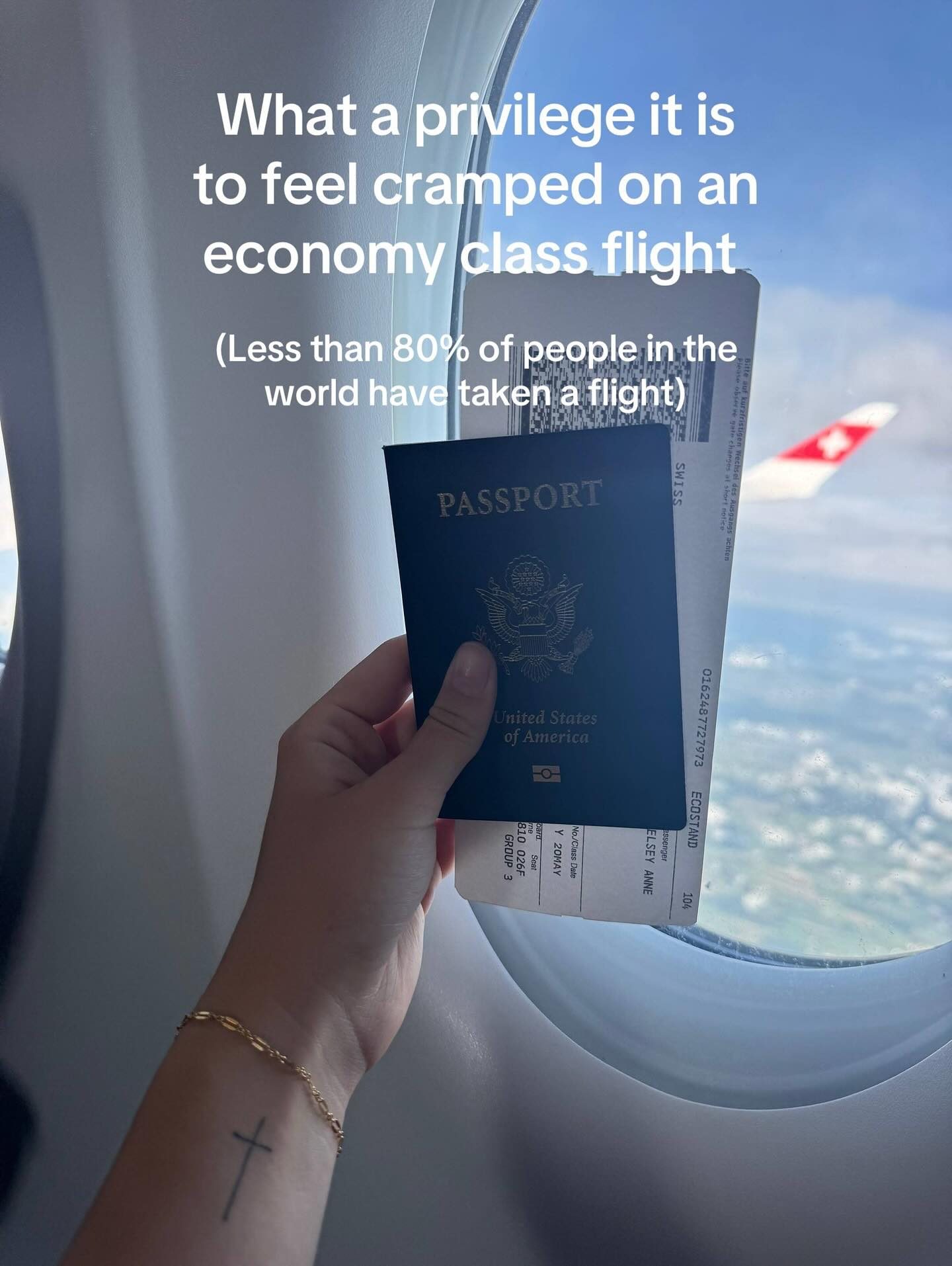
Flying in economy class, no matter how cramped, is a privilege. Less than 80% of the world's population has ever taken a flight. Holding a passport and an airline ticket signifies not just the ability to travel, but also the financial means and documentation to do so. This privilege extends beyond the physical journey; it encompasses the freedom to explore, the comfort of knowing you can return home, and the luxury of choosing your destination.
The Cost of Convenience
Many travelers take for granted the ease of booking a flight and the assurance of having a seat. The ability to afford and secure a flight highlights the economic privilege involved. This privilege is further underscored by the option to reschedule or purchase a last-minute replacement, as seen in the humorous scenario of missing a flight and scrambling for a new one. The financial flexibility to handle such mishaps is not available to everyone.
The Privilege of Dining in Foreign Lands
Cultural Exchange
Dining in a foreign country is more than just enjoying a meal; it's an opportunity for cultural exchange. The ability to communicate with servers, to be understood despite language barriers, is a privilege. It reflects the ease with which some travelers can navigate different cultures and the support available to them, such as accommodating service staff.
The Comfort of Familiarity
Imagine sitting at a table abroad, enjoying local cuisine, and being served by someone who understands your needs. This privilege is often taken for granted. It represents the ease of access to services and the luxury of feeling at home in a foreign land, which is a privilege not all travelers enjoy.
The Emotional Privilege of Waiting
The anticipation of returning home to loved ones is a unique privilege. Knowing that there are people waiting for you, eagerly anticipating your arrival, adds a profound emotional layer to travel. This sense of connection and belonging is not something everyone experiences in the same way.
Practical Tips
Embrace the privileges of travel by being mindful and grateful. Here are some practical tips to make the most of your experiences:
Appreciate Small Comforts
Whether it's the cramped seat on an economy flight or the convenience of accommodating servers, learn to appreciate these small comforts. They are reminders of the privileges that come with travel.
Reflect on Opportunities
Take time to reflect on the opportunities you have. This reflection can foster a deeper understanding of the barriers others face and inspire you to make the most of your own experiences.
Share Your Experiences
Share your experiences with those who may not have the same opportunities. This can inspire others and create a sense of community, even across distances and cultures.
Important Takeaways
Traveling is a privilege that comes with many layers of comfort and convenience. From the ability to fly to the ease of dining abroad, these experiences highlight the disparities in global access to leisure and travel. Being mindful of these privileges can foster gratitude and empathy, making your travel experiences even more meaningful.
Conclusion
Traveling is more than just a physical journey; it's an experience that encompasses privilege, comfort, and the ability to explore the world. By understanding and appreciating these privileges, travelers can foster a deeper sense of gratitude and empathy. This reflection not only enriches personal experiences but also encourages a broader understanding of global disparities in travel.
Watch the Reel
Questions readers ask
What percentage of the world's population has never flown in an airplane?
Approximately 80% of the world's population has never flown in an airplane, highlighting the significant privilege that air travel represents for those who have. This statistic underscores the substantial economic and systemic barriers that prevent many from experiencing air travel.
What are some of the economic barriers that prevent people from traveling by air?
Economic barriers to air travel include the high cost of tickets, additional expenses like visas, travel insurance, and the financial burden of time off work. These factors make air travel prohibitive for many individuals and families, especially those living in poverty or with limited financial resources.
How does understanding the privilege of air travel benefit frequent flyers?
Acknowledging the privilege of air travel fosters gratitude and empathy in frequent flyers. It encourages them to appreciate the opportunities they have and to reflect on the systemic barriers that prevent many others from experiencing the same privileges. This understanding can lead to greater mindfulness and potentially inspire actions to support greater access to air travel.
What are some of the systemic barriers to air travel?
Systemic barriers to air travel include lack of access to proper documentation, limited infrastructure in certain regions, and restrictive immigration policies. These barriers, often intertwined with economic challenges, create significant hurdles for many individuals and communities seeking to travel by air.
How does air travel privilege vary across different socioeconomic statuses?
Air travel is more accessible to those with higher socioeconomic status due to greater financial resources and better access to the necessary documentation and infrastructure. Conversely, individuals from lower socioeconomic backgrounds often face substantial obstacles, making air travel a distant luxury rather than a feasible option.
What role does air travel play in broadening horizons and creating lasting memories?
Air travel allows individuals to explore new cultures, meet diverse people, and experience different ways of life, all of which contribute to personal growth. However, it is essential to recognize that these enriching experiences are not equally accessible to everyone, with a significant portion of the global population never having the opportunity to fly.
How can acknowledging the privilege of air travel promote a more equitable world?
By recognizing the privilege of air travel, individuals can become more aware of the inequalities that exist in global access to travel and leisure. This awareness can inspire actions to address these disparities, fostering a more equitable world where more people have the opportunity to experience the benefits and joys of air travel.
Related deep dives
Similar reads based on topic and creator.




Recent articles
Fresh deep dives from the latest Reels we unpacked.



Comments
Be the first to comment.