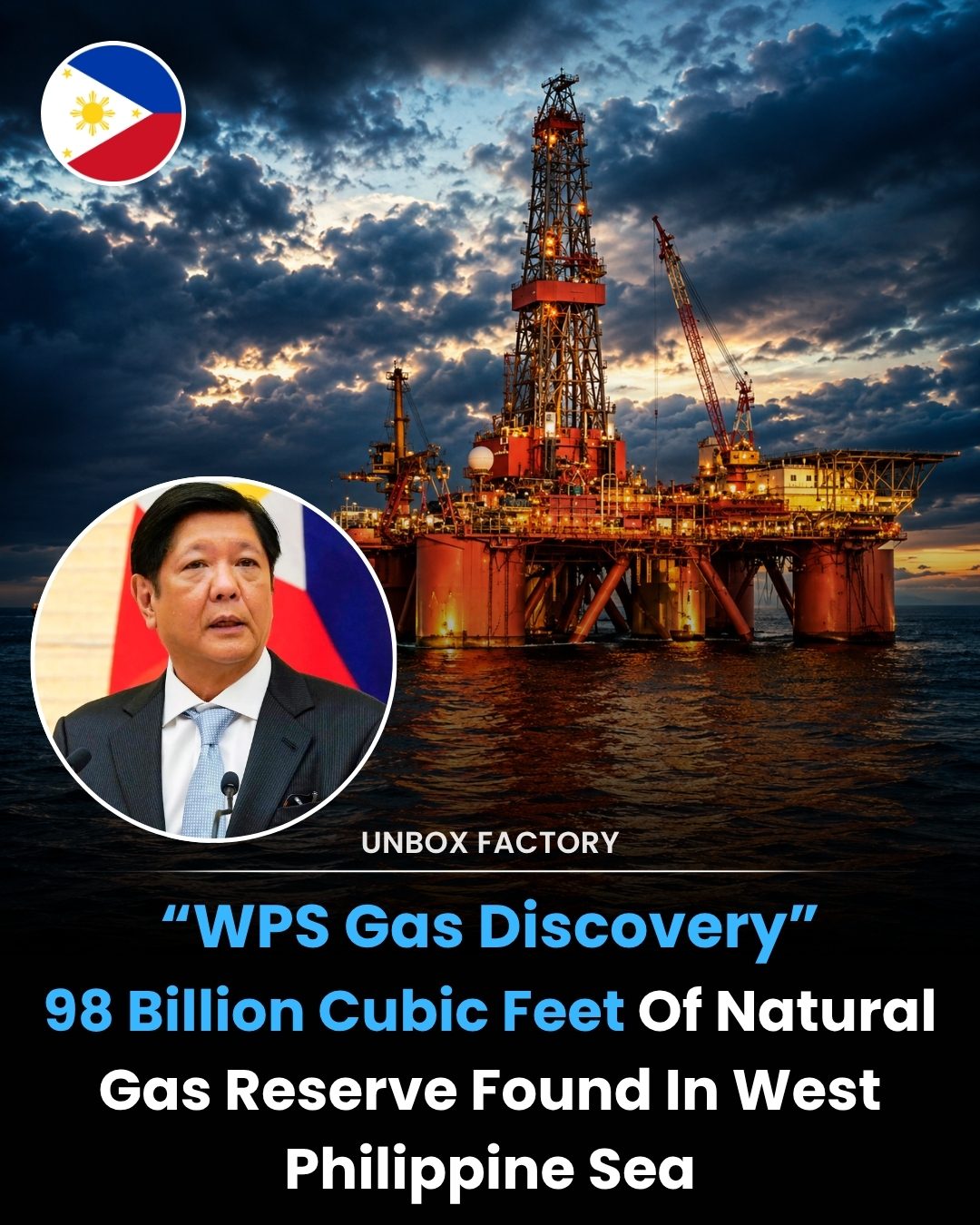
Natural Gas Discovery in the West Philippine Sea
The recently discovered natural gas reserve in the West Philippine Sea, estimated at 98 billion cubic feet (Bcf) of recoverable natural gas, is a significant development for the Philippines. This discovery holds the potential to bolster the country's domestic energy supply, especially as existing gas fields begin to deplete. The reserve's size is substantial enough to power hundreds of thousands of homes for several years, depending on energy demand.
Why This Discovery Matters
The Philippines' energy landscape is facing crucial shifts. The Malampaya gas field, a significant contributor to Luzon's electricity supply, has been steadily declining. This gas field has historically supplied around 20% of Luzon's electricity, making its continued operation vital for the region's energy stability. The discovery of a new natural gas reserve in the West Philippine Sea is timely, as it addresses the urgent need to reduce dependence on imported liquefied natural gas (LNG). By tapping into this domestic resource, the Philippines can enhance energy security and potentially lower costs associated with energy imports.
Understand the West Philippine Sea Discovery
Location and Significance
The West Philippine Sea is a strategically important region not only for the Philippines but also for the broader Southeast Asia. The newly discovered reserve is located in an area that has long been explored for its energy potential. Due to its proximity to major consumption centers, the new gas reserve can be efficiently transported and utilized, minimizing losses and ensuring a stable supply.
Estimated Reserves and Impact
The estimated 98 Bcf of recoverable natural gas represents a significant amount of fuel. This reserve can generate electricity for hundreds of thousands of homes over several years, making it a critical asset for the Philippines' energy future. The exact duration of energy supply will depend on various factors, including demand fluctuations, technological advancements in extraction, and overall energy efficiency improvements. However, the initial estimates suggest a substantial and lasting impact on the country's energy supply.
Practical Tips for Energy Consumers and Policymakers
For Energy Consumers
- Understand Energy Sources: Knowing that a significant portion of your electricity comes from domestic natural gas can instill confidence in the reliability of your power supply.
- Efficient Use: Encourage energy-efficient practices in homes and businesses. The more efficient we are, the longer the reserve will last.
- Stay Informed: Keep an eye on updates from the Philippine Department of Energy. They will provide important details on how this discovery will be integrated into the national energy grid.
For Policymakers
- Invest in Infrastructure: Allocate resources to build or upgrade infrastructure needed to transport and utilize the newly discovered gas. This includes pipelines, storage facilities, and power plants.
- Promote Domestic Energy Production: Encourage further exploration and extraction of domestic energy sources. This can reduce dependence on imported LNG and stabilize energy prices.
- Sustainable Energy Policies: Develop policies that prioritize sustainable energy use. This includes promoting renewable energy sources and ensuring that natural gas is used efficiently.
Important Takeaways
- Energy Security: The discovery of 98 Bcf of natural gas in the West Philippine Sea significantly enhances the Philippines' energy security by reducing dependence on imported LNG.
- Potential Impact: This reserve can generate electricity for hundreds of thousands of homes, providing a stable energy supply for several years.
- Strategic Location: The location of the reserve in the West Philippine Sea makes it strategically important for efficient transportation and utilization.
- Policy Implications: The discovery underscores the need for robust energy policies that prioritize sustainable energy use and domestic energy production.
Conclusion
The discovery of 98 billion cubic feet of recoverable natural gas in the West Philippine Sea marks a pivotal moment for the Philippines' energy future. This significant find can provide a much-needed boost to the country's domestic energy supply, reducing reliance on imported LNG and ensuring a stable electricity supply for hundreds of thousands of homes. As the nation continues to develop its energy infrastructure and promote sustainable energy practices, this discovery will play a crucial role in shaping the Philippines' energy landscape for years to come.
Watch the Reel
Questions readers ask
How much natural gas was discovered in the West Philippine Sea?
The discovery amounts to 98 billion cubic feet of recoverable natural gas, making it a notable addition to the region's energy resources.
What are the benefits of this discovery for the Philippines?
The discovery of this natural gas reserve allows the Philippines to decrease its reliance on imported liquefied natural gas (LNG) and strengthen its domestic energy supply, thereby enhancing energy security.
How will this discovery impact the Philippines' energy independence?
This discovery provides a pathway for the Philippines to reduce energy imports, thus paving the way to greater energy independence and resilience.
Which region of the Philippines will benefit most from this discovery?
The discovery is particularly beneficial for Luzon, where the Malampaya gas field, a significant energy contributor, has been declining.
How long can the discovered gas supply energy to Philippine homes?
The 98 billion cubic feet of natural gas can potentially power hundreds of thousands of homes for several years, depending on the energy demand.
What is the significance of the West Philippine Sea in the Philippines' energy strategy?
The West Philippine Sea is becoming increasingly important in the Philippines' energy strategy, providing a strategic source of natural gas to meet domestic demands and reduce reliance on imports.
What is the status of the Malampaya gas field and how does this discovery support it?
The Malampaya gas field has been supplying around 20% of Luzon's electricity but is now declining. This new discovery in the West Philippine Sea can help mitigate the impact of this decline by providing an alternative gas source.
Related deep dives
Similar reads based on topic and creator.

Recent articles
Fresh deep dives from the latest Reels we unpacked.




Comments
Be the first to comment.