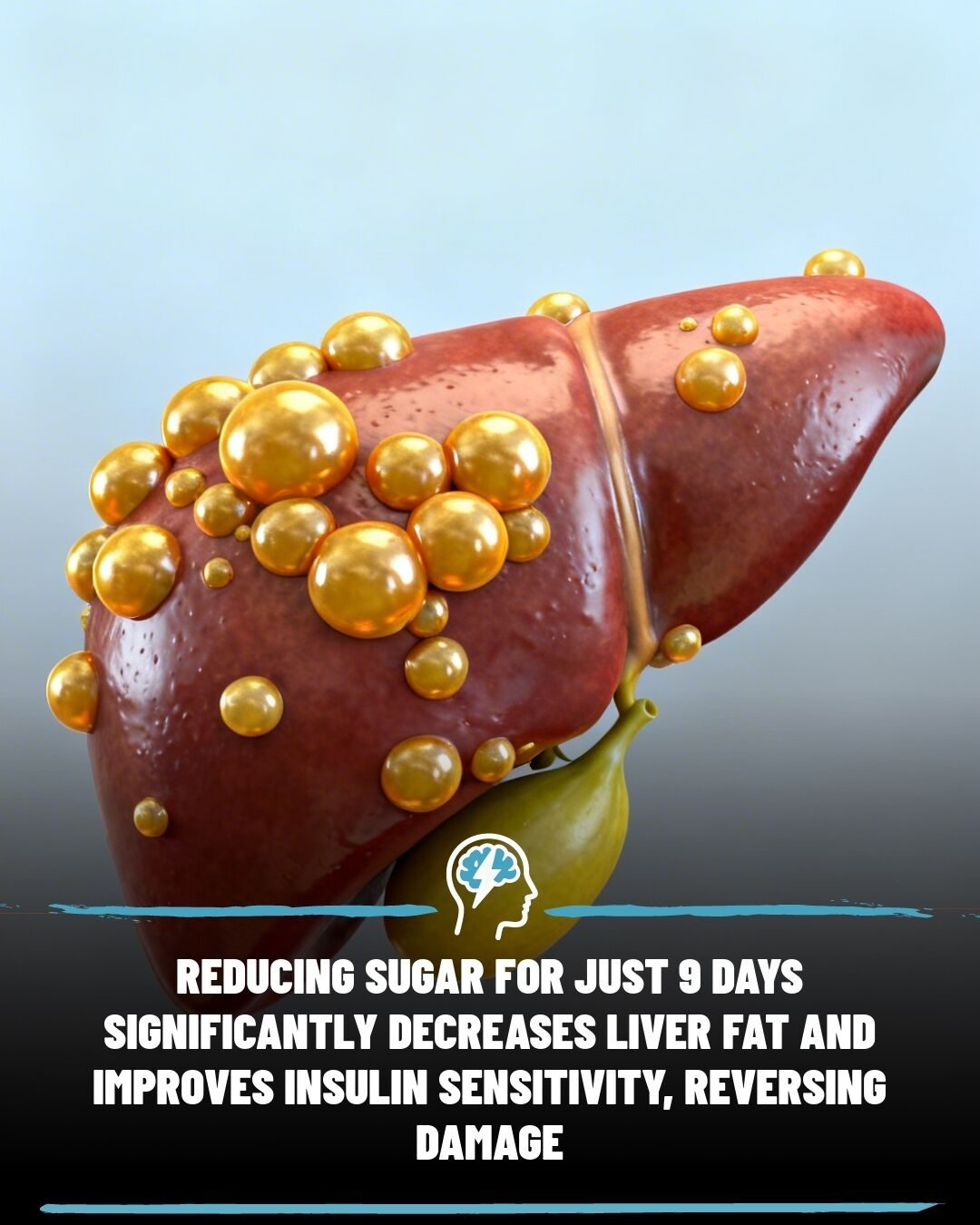
The Surprising Impact of Reducing Added Sugar on Liver Health
Reducing added sugar, especially fructose, can significantly improve liver health in a short amount of time. Recent research indicates that minimizing fructose intake for just 9 days can decrease liver fat by around 20 percent, enhance insulin sensitivity, and potentially reverse liver damage. This shift can occur without significant weight loss.
How Your Liver Processes Sugar
The liver processes fructose differently than other sugars. When you consume large amounts of fructose, especially from sodas and processed foods, your liver converts it directly into fat. Over time, this can lead to fatty liver disease, inflammation, and various metabolic problems.
The Study: Fructose and Liver Health
In a study conducted by Touro University and UC San Francisco, obese children and teens were instructed to replace most of their added sugar intake with complex carbohydrates like starch for 9 days. Their total sugar intake dropped from 28 percent to 10 percent of daily calories. The results were striking: liver fat decreased significantly, and insulin function improved. Notably, the participants lost less than 1 percent of their body weight, indicating that the benefits came from removing fructose specifically, not from eating fewer calories.
Why Complex Carbohydrates Matter
By swapping added fructose for complex carbohydrates, researchers were able to essentially turn off the liver's fat-building pathway. This gave the liver a much-needed break, allowing it to start recovering quickly. Complex carbohydrates like starch are broken down differently by the body and do not contribute to liver fat buildup in the same way that fructose does.
Practical Tips for Reducing Added Sugar
Implementing small changes to your diet can have a significant impact on liver health. Here are some practical tips to reduce added sugar:
- Read Food Labels: Pay attention to the ingredients list and look for hidden sugars. Ingredients like high-fructose corn syrup, sucrose, and dextrose are all forms of added sugar.
- Opt for Natural Sweeteners: Use natural sweeteners like honey or maple syrup sparingly.
- Stay Hydrated: Sometimes, thirst can be mistaken for hunger or a craving for sweets. Make sure you're drinking enough water throughout the day.
- Limit Processed Foods: Processed foods often contain high amounts of added sugars. Opt for whole, unprocessed foods instead.
- Choose Water Over Soda: Sodas and sugary drinks are major sources of added fructose. Replace them with water, herbal tea, or other sugar-free beverages.
Practical Tips for Reducing Added Sugar
- Avoid High-Fructose Foods: Pay attention to food labels and avoid items that have high-fructose corn syrup, sucrose, and dextrose as main ingredients. These are all forms of added sugar. Stay away from foods that list sugar as one of the first ingredients.
- Choose Whole Foods: Opt for whole, unprocessed foods like fruits, vegetables, lean proteins, and whole grains. These foods are naturally lower in sugar and higher in essential nutrients.
- Stay Hydrated: Sometimes, thirst can be mistaken for hunger or a craving for sweets. Make sure you're drinking enough water throughout the day. This can help curb sugar cravings and support liver health.
- Limit Processed Foods: Processed foods often contain high amounts of added sugars. Opt for whole, unprocessed foods instead.
- Choose Water Over Soda: Sodas and sugary drinks are major sources of added fructose. Replace them with water, herbal tea, or other sugar-free beverages.
Important Takeaways
- Fructose and Liver Fat: Reducing added fructose can significantly decrease liver fat, even without significant weight loss.
- Insulin Sensitivity: Lowering fructose intake can improve insulin sensitivity, which is crucial for metabolic health.
- Liver Recovery: The liver can start recovering quickly when the fat-building pathway is turned off by reducing fructose intake.
- Dietary Changes: Small changes in your diet, such as swapping added fructose for complex carbohydrates, can have a meaningful impact on liver health.
- Individual Results May Vary: While this approach can be beneficial, individual responses to dietary changes can differ. Always consult with a healthcare professional before making significant dietary changes.
Conclusion
Reducing added fructose from processed foods and sugary drinks may support liver health in meaningful ways. By understanding how your liver processes different types of sugars, you can make informed dietary choices that promote better liver health. Small changes to what you drink and snack on could give your liver the breathing room it needs to heal and function optimally.
Watch the Reel
Questions readers ask
What is the significance of a 9-day no-sugar diet on liver health?
A 9-day no-sugar diet can lead to a significant reduction in liver fat, enhance insulin sensitivity, and potentially reverse liver damage. This improvement is notable as it can occur without significant weight loss, making it a practical approach to boosting liver health and overall metabolic health.
Why is fructose particularly harmful to the liver?
Fructose is processed differently than other sugars by the liver. Consuming large amounts of fructose, particularly from processed foods and beverages, can lead to increased fat production and storage in the liver, contributing to fatty liver disease and other metabolic issues.
Can reducing added sugar improve insulin sensitivity?
Yes, reducing added sugar can enhance insulin sensitivity. By lowering your intake of added sugars, your liver can process sugars more efficiently, which in turn improves how your body responds to insulin and helps regulate blood sugar levels.
What role does a sugar-free diet play in metabolic health?
A sugar-free diet can significantly improve metabolic health by reducing liver fat, enhancing insulin sensitivity, and lowering the risk of metabolic diseases. These improvements are crucial for maintaining overall health, especially for those at risk of conditions like type 2 diabetes and heart disease.
How does a 9-day sugar detox compare to long-term diet changes for liver health?
A 9-day sugar detox can provide quick, noticeable improvements in liver health, such as a decrease in liver fat and enhanced insulin sensitivity. While long-term diet changes are important for sustained health benefits, a short-term sugar detox can act as a catalyst for adopting healthier eating habits and provide immediate benefits.
What are some common sources of added sugars that negatively impact the liver?
Common sources of added sugars that negatively impact the liver include processed foods, sodas, and sugary beverages, many of which are high in fructose. These foods and drinks can lead to increased fat production and storage in the liver, contributing to liver damage and metabolic problems.
How does avoiding processed foods support liver function?
Avoiding processed foods can support liver function by reducing the intake of added sugars and unhealthy fats. These foods often contain high levels of fructose and other sugars that the liver converts into fat, leading to fatty liver disease and impaired liver function. By limiting these foods, you can help your liver process sugars more efficiently and improve overall liver health.
Recent articles
Fresh deep dives from the latest Reels we unpacked.




Comments
Be the first to comment.