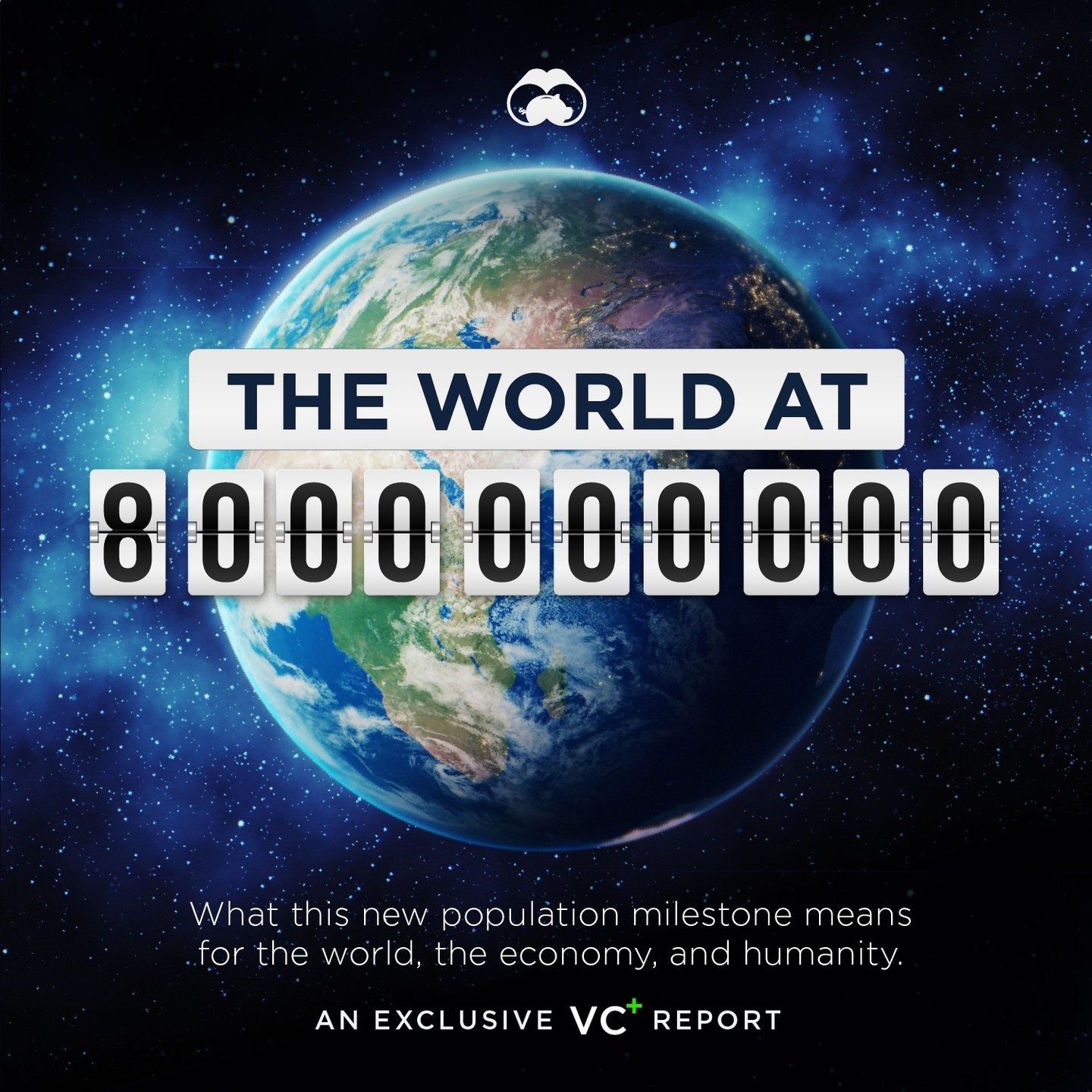
The world population is on track to reach 8 billion people. This is an incredible milestone, and the VC+ Report offers a detailed look at what it means for our planet, economies, and society as a whole. With impactful visuals, the report aims to provide a comprehensive understanding of the implications of this population growth.
Why this matters
Understanding the significance of the 8 billion population milestone is crucial. It affects global economies, policy-making, resource management, and the quality of life for people worldwide. By examining the details of this milestone, we can better plan for the future and address the challenges and opportunities that come with a growing population.
Main discussion
The growth of the world's population
The population milestone of 8 billion people is a testament to advancements in healthcare, technology, and economics. Over the past century, medical breakthroughs and improved healthcare systems have significantly reduced mortality rates. This, combined with better nutrition and living conditions, has led to a surge in population growth.
Implications for the world
An expanding population puts pressure on resources, infrastructure, and the environment. As more people require food, water, and shelter, sustainable resource management becomes critical. The demand for energy and raw materials is also expected to rise, prompting the need for innovative solutions and technologies to ensure everyone's needs are met.
Economic impacts
Economic growth tends to follow population growth, as a larger workforce can drive productivity and innovation. However, it also means increased competition for jobs and the need for robust economic policies to ensure equal opportunities. Governments and organizations will need to adapt and create policies that support economic stability and shared prosperity.
Societal changes
Increased population density can foster cultural exchange and diversity, enriching global society. However, it also presents challenges in terms of housing, urban planning, and public services. Urbanization trends are expected to accelerate, necessitating smart city planning and infrastructure development to manage growing metropolitan areas effectively.
Practical tips
Understanding the implications of the 8 billion population milestone can help individuals, communities, and governments prepare for the future. Here are a few practical tips:
Stay informed
Continue to engage with reliable sources of information, like the VC+ Report, to stay updated on global population trends and their impacts. Knowledge is power, and being proactive about understanding these changes can equip you to respond effectively.
Support sustainable practices
Adopting sustainable habits and promoting environmentally friendly practices can help mitigate the strain on resources. This includes recycling, conserving water, and supporting policies that encourage renewable energy and sustainable agriculture.
Advocate for equitable policies
Engage with your local government and representatives to advocate for policies that promote economic growth, social equity, and environmental sustainability. Collective action and advocacy can drive systemic changes that benefit everyone.
Invest in education
Education is a cornerstone of development. Investing in education and skill training equips individuals to thrive in a changing world and contributes to economic and social development.
Important takeaways
The 8 billion population milestone marks a significant turning point in human history. It brings challenges and opportunities, necessitating innovative solutions and adaptive policies. By staying informed, promoting sustainability, advocating for equitable policies, and investing in education, we can navigate this new era effectively and ensure a prosperous future for everyone.
Conclusion
Reaching 8 billion people is not just a numerical milestone; it's a pivotal point in our global story. Understanding the implications of this growth is essential for shaping a sustainable, equitable, and prosperous future. By embracing the insights provided by the VC+ Report, and taking proactive steps, we can harness the opportunities and address the challenges that come with this milestone.
Watch the Reel
Questions readers ask
What does reaching 8 billion people mean for global economies?
Reaching 8 billion people will likely accelerate economic growth in certain regions, particularly in developing countries with large youth populations. However, it may also exacerbate income inequality and place additional strain on global financial systems. Governments and businesses should prepare for shifts in labor markets and consumer demand.
How will global resource management be affected by the 8 billion population milestone?
With 8 billion people, the demand for resources such as food, water, and energy will increase significantly. This milestone stresses the importance of sustainable resource management practices and innovations in renewable resources to ensure that the growing population can meet its needs without depleting the planet's finite resources.
What societal dynamics will change as the world population reaches 8 billion?
The world will see shifts in age structures, with more countries experiencing aging populations and others still in the midst of youth bulges. Urbanization is also expected to accelerate, with more people living in cities than ever before. These changes will influence everything from housing and infrastructure to healthcare and social services.
What are some of the main global challenges that come with a population of 8 billion people?
Key challenges include ensuring food and water security, addressing climate change, managing waste, and maintaining biodiversity. Additionally, providing adequate healthcare, housing, and employment opportunities for the growing population will be critical. Effective global cooperation and policy-making will be essential to tackle these issues.
What opportunities arise from the world population reaching 8 billion people?
The growing population presents opportunities for innovation in technology, agriculture, and resource efficiency. It also offers a larger workforce and consumer base, which can drive economic growth. By investing in human capital and sustainable development, countries can harness these opportunities to improve quality of life and foster prosperity.
Is the world prepared for the 8 billion population milestone?
Preparation varies by region and country. While some nations have made significant progress in areas like healthcare, infrastructure, and economic development, others still face substantial challenges. Global cooperation and targeted investments in key areas will be crucial to ensure that the world is adequately prepared for this population milestone.
How will the 8 billion population milestone impact the world economy?
The world economy will experience both opportunities and challenges. On one hand, a larger population means a larger workforce and consumer base, which can drive economic growth. On the other hand, increased demand for resources and services may lead to inflation and strain on infrastructure. Governments and businesses should focus on sustainable development and innovation to capitalize on the opportunities while mitigating the risks.
Related deep dives
Similar reads based on topic and creator.


Recent articles
Fresh deep dives from the latest Reels we unpacked.




Comments
Be the first to comment.