
Stress Reduction with Water
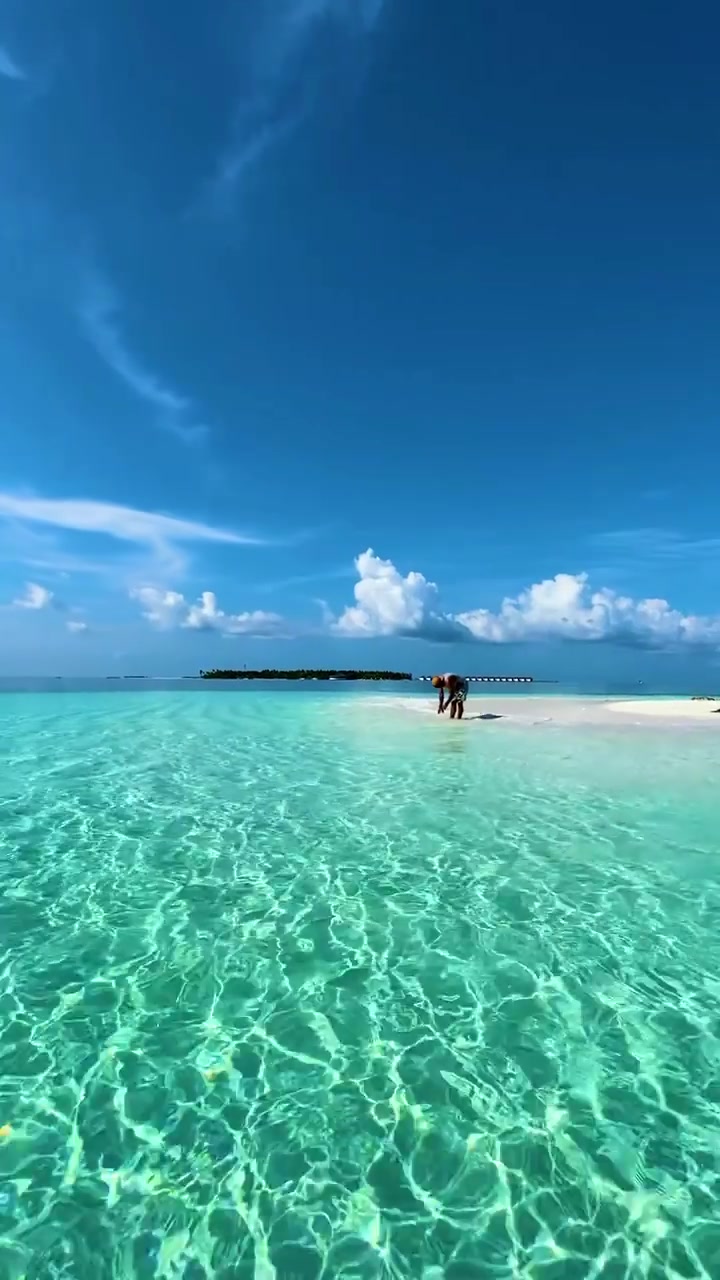
Spending time near bodies of water, known as "blue spaces," can significantly reduce stress and promote mental well-being. This is not just a anecdotal observation; scientific studies have shown that being near water can have a measurable impact on our physiological and psychological states.
Why this matters
In today's fast-paced world, stress has become a ubiquitous part of daily life. Chronic stress can lead to a variety of health issues, including anxiety, depression, and even physical ailments like high blood pressure and heart disease. Finding effective ways to manage and reduce stress is crucial for maintaining overall health and well-being. The simple act of spending time near water offers a natural and accessible method to achieve this.
Understanding the Science
The Impact of Water on Cortisol Levels
Cortisol, often referred to as the "stress hormone," is released by the body in response to stress. Elevated cortisol levels over prolonged periods can have detrimental effects on both physical and mental health. Studies have revealed that spending just 20 minutes near water can lower cortisol levels. This reduction in cortisol helps to shift the brain into a calmer, more relaxed state, promoting overall mental well-being.
The Environment Matters
The type of environment where you spend your 20 minutes is crucial. "Blue spaces" such as oceans, lakes, and rivers have a particularly powerful effect on mental well-being. These environments are known to induce a sense of tranquility and peace, making them ideal for stress reduction.
The Biological Response
Being near water triggers a biological response in the brain that actively reduces cortisol levels. This response is part of the body's natural stress-relief mechanism. As cortisol levels decrease, the brain shifts into a more relaxed state, which can help alleviate symptoms of stress and anxiety.
Practical Tips
Incorporating Water Time into Your Routine
To reap the benefits of water exposure, it doesn't have to be a significant disruption to your daily routine. Here are some practical tips to incorporate water time into your schedule:
- Morning Walk: Start your day with a 20-minute walk along a nearby beach, lake, or river. This can set a calming tone for the rest of your day.
- Lunch Break: If you live or work near a body of water, use part of your lunch break to sit by the water and relax.
- Evening Relaxation: End your day with a calming session by the water. This can help you unwind and prepare for a restful night's sleep.
Making the Most of Blue Spaces
While any body of water can have a positive impact, different types of water environments offer unique benefits:
- Oceans: The vastness and power of the ocean can induce a sense of awe and perspective, helping to put daily stressors into context.
- Lakes and Ponds: These quieter bodies of water can provide a peaceful, introspective experience.
- Rivers and Streams: The gentle flow of water can be soothing and calming, creating a natural white noise effect.
Important Takeaways
- Nature's Stress Reliever: Spending time near water is a natural and effective way to reduce stress.
- Time Required: Just 20 minutes near water can lower cortisol levels and calm the brain.
- The Environment: Blue spaces like oceans, lakes, and rivers have a powerful effect on mental well-being.
- Biological Impact: Being near water actively reduces cortisol and promotes a relaxed state.
Conclusion
Spending 20 minutes near water can significantly reduce stress and promote mental well-being. This natural approach to stress relief is backed by science and offers a simple, accessible way to improve overall health. Whether you choose to visit an ocean, lake, or river, incorporating blue spaces into your routine can have a profound impact on your mental and physical health.
Watch the Reel
Questions readers ask
What are 'blue spaces' and how do they help with stress reduction?
'Blue spaces' refer to bodies of water, such as oceans, lakes, or rivers. Being near these environments helps reduce stress by lowering cortisol levels, a hormone associated with stress. This natural shift promotes a calmer mental state, making water an effective tool for stress relief.
How long do I need to spend near water to experience stress relief?
Spending just 20 minutes near water can significantly reduce stress levels. It is advised for you to incorporate this practice into your routine for the best wellness results.
Can being near water really lower cortisol levels?
Yes, scientific studies have shown that exposure to water, or 'blue spaces,' naturally lowers cortisol levels. This makes it a highly effective means of managing daily stress and enhancing your overall health
What are some examples of 'blue spaces' I can visit for mental well-being?
Examples of blue spaces include oceans, lakes, rivers, and even smaller bodies of water like ponds. If you live near these areas, try to visit them regularly for 20 minutes to improve your mental health.
How does water therapy for the brain work?
Water therapy for the brain, or simply being near water, works by engaging multiple senses and shifting the brain to a calmer state. By combining visual, auditory, and even tactile experiences, it provides a holistic approach to stress management.
Can I use water features in my home or office to reduce stress?
Yes, incorporating water features like fountains or small indoor ponds can help reduce stress. These features can mimic the benefits of larger bodies of water, providing a calming effect and helping to lower stress levels in your daily environment
Are there any specific activities I should do while near water to maximize stress relief?
While simply being near water is beneficial, you can enhance the experience by practicing mindfulness, deep breathing, or other relaxation techniques. Engaging in these activities can amplify the stress-relieving effects of being in a blue space.
Related deep dives
Similar reads based on topic and creator.



Recent articles
Fresh deep dives from the latest Reels we unpacked.




Comments
Be the first to comment.