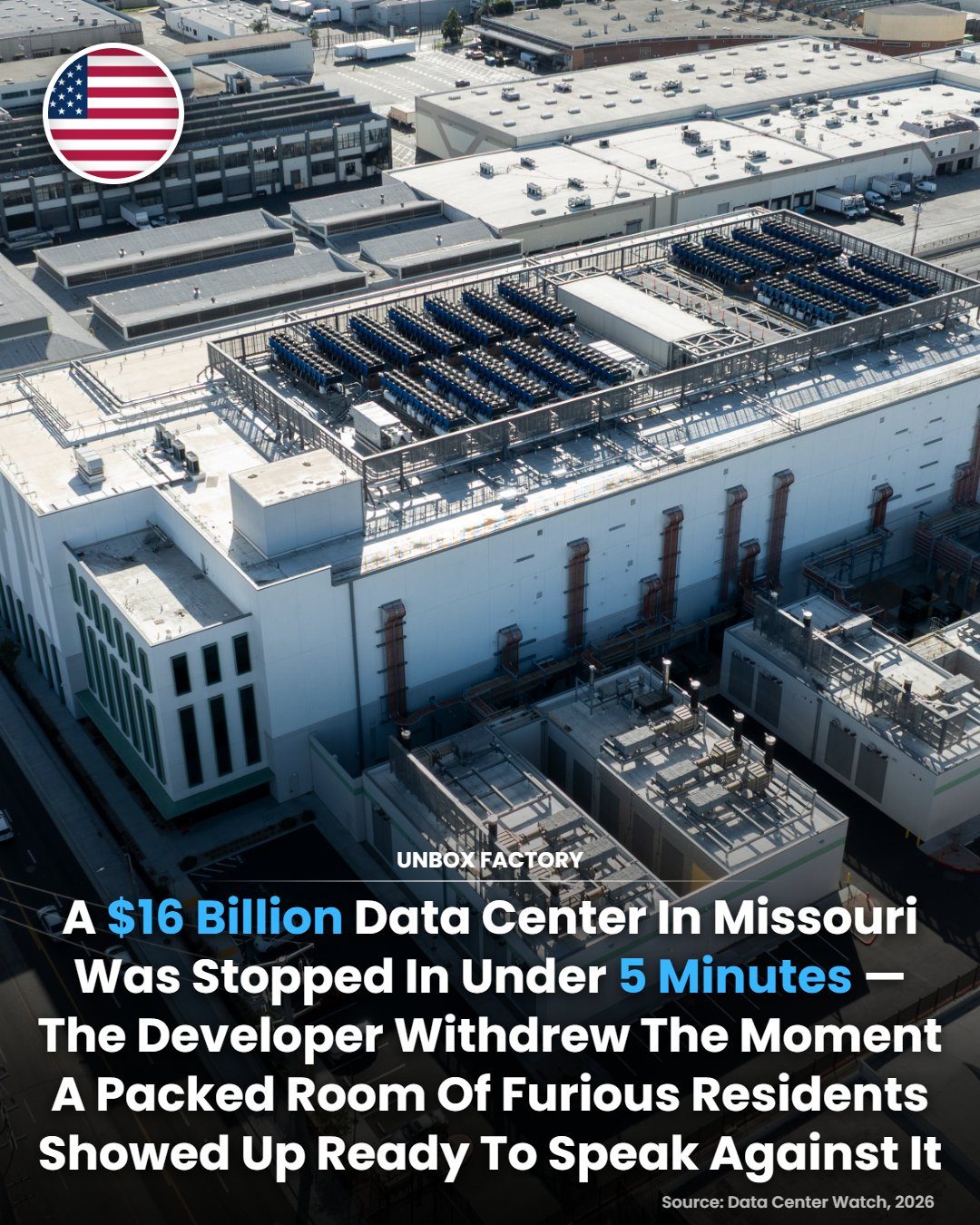
A $16 Billion AI Data Center Project in Missouri Halted by Public Opposition
A $16 billion AI data center project in Missouri was swiftly withdrawn after a public meeting revealed overwhelming opposition from local residents. The developer pulled the plug on the proposal before formal public testimony even began. This incident sheds light on the growing influence of local communities in shaping the future of hyperscale AI infrastructure across the United States.
Context / Why this Matters
Data centers are pivotal for the operation of modern AI and technology infrastructure. Their construction often brings significant economic benefits, including job creation and local investment. However, these projects also pose substantial challenges, such as increased electricity demand, water consumption, and potential environmental impacts. This makes the engagement of local communities crucial for sustainable development.
Main Discussion
The Missouri Data Center Project
The proposed data center in Missouri was a significant undertaking, with an estimated cost of $16 billion. This project aimed to support the growing demand for AI infrastructure but faced immediate opposition from local residents. The withdrawal of the project underscores the power of local activism and the need for developers to engage with communities from the outset.
Community Concerns
Residents raised several critical concerns about the proposed data center:
- Electricity Demand: Data centers consume enormous amounts of electricity, which can strain local power grids and lead to increased energy costs.
- Water Consumption: Data centers require significant amounts of water for cooling, which can impact local water supplies.
- Industrial Noise and Traffic: The construction and operation of data centers can generate excessive noise and increase traffic, disrupting daily life and affecting property values.
- Farmland Preservation: Many data centers are built in rural areas, where land is often used for agriculture. The construction of a data center can displace farmland and disrupt local ecosystems.
- Environmental Impacts: Long-term environmental impacts, including carbon emissions and waste management, are significant concerns for communities.
The Role of Public Meetings
Public meetings serve as a vital platform for community engagement and feedback. In this case, the packed room of furious residents made it clear that the developer had underestimated local opposition. The developer’s decision to withdraw the project before formal public testimony highlights the importance of early and transparent communication with the public.
Practical Tips
For Developers
- Engage Early: Start community engagement early in the planning process. This can help identify and address concerns before they escalate.
- Transparent Communication: Be open about the project’s details, including its benefits and potential drawbacks. Address community concerns honestly and transparently.
- Community Involvement: Involve local residents in the decision-making process. This can help build trust and ensure that the project aligns with community values and needs.
For Local Communities
- Stay Informed: Keep up-to-date with local development projects and their potential impacts. Attend public meetings and voice your concerns.
- Organize and Advocate: Work with neighbors and local organizations to advocate for your community’s interests. Use social media and local press to raise awareness.
- Seek Expertise: Consult with experts in environmental science, energy, and urban planning to better understand the potential impacts of proposed projects.
Important Takeaways
- Community Power: Local communities have a significant influence on large-scale infrastructure projects, including data centers.
- Sustainable Development: Balancing economic benefits with environmental and social impacts is crucial for sustainable development.
- Engagement and Communication: Early and transparent engagement with the public is essential for the success of any large-scale project.
Conclusion
The swift withdrawal of the $16 billion AI data center project in Missouri serves as a stark reminder of the power of community activism and the need for transparent communication in large-scale infrastructure projects. As the demand for AI infrastructure continues to grow, developers and local communities must work together to ensure that these projects are sustainable and beneficial for everyone involved. The future of AI infrastructure hinges on this collaborative approach.
Watch the Reel
Questions readers ask
What was the main reason for the withdrawal of the $16 billion AI data center project in Missouri?
The project was withdrawn due to significant public opposition from local residents who expressed concerns about the project's potential impacts on electricity demand, water consumption, and the environment. The developer decided to pull out before formal public testimony even began.
How did local residents in Missouri initially react to the AI data center project?
Local residents in Missouri showed overwhelming opposition to the AI data center project during a public meeting. Their concerns were primarily focused on the anticipated increase in electricity demand, water consumption, and overall environmental impact.
What are some of the key challenges associated with large-scale AI data center projects?
Large-scale AI data center projects often face challenges related to increased electricity demand, water consumption for cooling, and environmental impacts. These projects also require extensive land use and can potentially disrupt local ecosystems.
What role does community engagement play in the development of large-scale infrastructure projects?
Community engagement is crucial in the development of large-scale infrastructure projects. It allows local residents to voice their concerns and ensures that the project aligns with the community's needs and values. Public opposition can significantly influence the outcome of such projects, as seen in the Missouri data center case.
What are the potential benefits of AI data center projects despite the challenges?
AI data center projects can bring significant economic benefits, including job creation and local investment. These projects are pivotal for the operation of modern AI and technology infrastructure, driving innovation and technological advancements. However, they must be managed carefully to mitigate their environmental and resource demands.
What steps can developers take to address public opposition to data center projects?
Developers can address public opposition by engaging with the community early in the planning process, being transparent about the project's impacts, and actively seeking input from local residents. Additionally, developers can explore sustainable solutions to mitigate concerns related to electricity demand, water consumption, and environmental impacts.
What does the halt of the Missouri AI data center project signify for future large-scale infrastructure projects?
The halt of the Missouri AI data center project signifies that public opinion and community engagement play a critical role in shaping the future of large-scale infrastructure projects. It highlights the need for developers to consider and address local concerns to ensure successful project implementation.
Related deep dives
Similar reads based on topic and creator.




Recent articles
Fresh deep dives from the latest Reels we unpacked.




Comments
Be the first to comment.