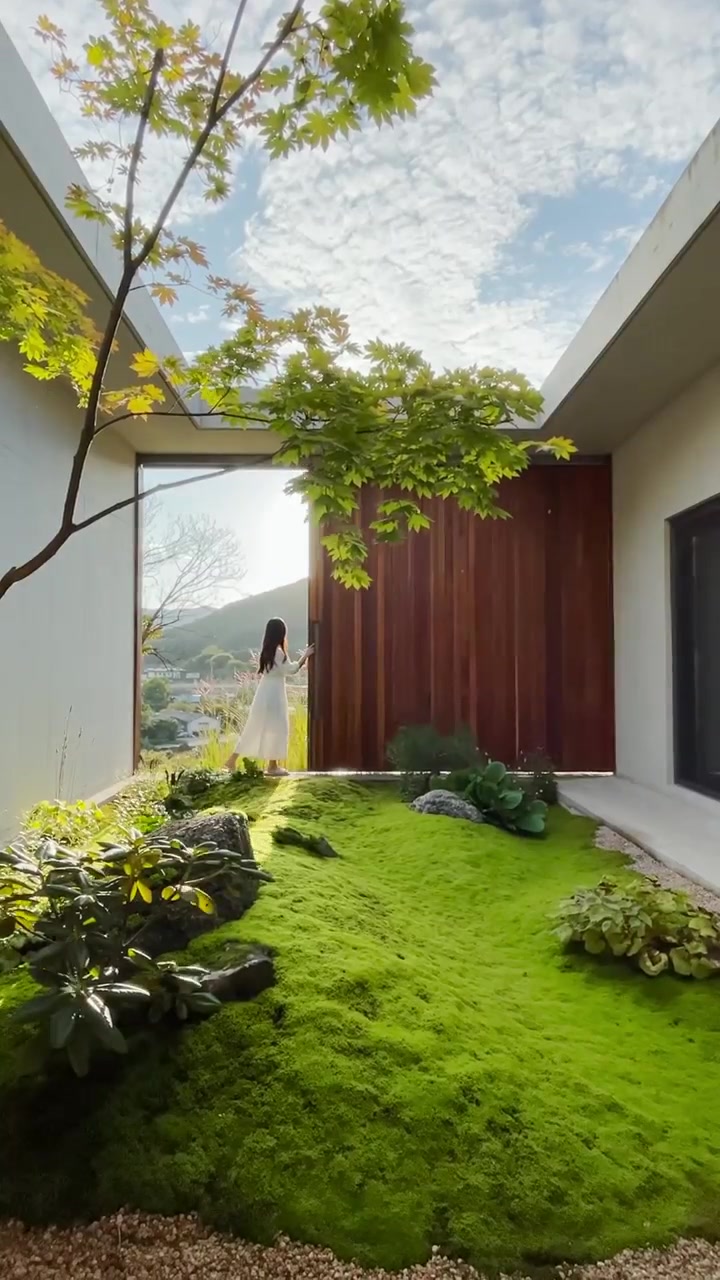
A zen garden, interlaced with moss and rocks, puts forth a unique scene of serenity. The creator drew a pointed comparison to fleeting days and passing time in the form of a serene Zen garden.
What is a Zen Garden? — Visual poetry in miniature form
Zen gardens, also known as Japanese rock gardens, are meticulously designed landscapes that evoke a sense of tranquility and contemplation — a profound statement even in a compact space. These gardens emphasize minimalism, with a focus on natural elements and aesthetics. Visually, Zen gardens are composed of a few key elements: rocks, sand or gravel, moss, and water features. Rocks may represent various natural features, including mountains or islands. Smooth, raked sand or gravel may mimic the ocean, rivers, or waterfalls, enhancing the garden's serene atmosphere. Moss is often used to create a soft, lush ground cover, providing a striking contrast to the rocks and sand. Served up in the post's visual frames, the garden is framed by a modern architectural structure, where large windows let in light and air. The juxtaposition of modern design and ancient garden tradition is intentional — this designer's choice balances the past and the present, an inviting setting for reflection and respite.
Commercial Instagrammability
Elevated to commercial logos, Zen gardens aren't the typical corporate-branded landscape. They are a rarity amidst unrelenting sprawl, a calm isle in an ocean of concrete and glass. The Japanese concept of Wabi-Sabi—the beauty of imperfection, impermanence, and in-completeness— is an antidote to modern cities' relentless perfectionist and cosmopolitan ambitions. With that in mind, Zen gardens provide a rejuvenating experience and a visual feast in an unlikely place.
Elements of a Zen Garden
Keys to Zen Balance
A Zen garden seeks harmony between natural and man-made components. The careful selection and placement of rocks, sand, moss, and plants are essential to creating this perfect balance.
- Rocks and Water: The concept of "ma", signifies the essence of emptiness, stillness, and the void. This visual silence becomes a focal point, like a stream or river, evolving in a variety of designs from a single stone to a cluster. * Sand and gravel can also mimic water or wind, as its pattern requires careful raking—a stressful ritual that creates a calming result * Moss and plants bring a soft, earthy touch to the garden.
Styles and Layouts
While Zen gardens share a common aesthetic of simplicity and tranquility, their styles and layouts can vary. Traditional Zen gardens often feature a central rock or stone formation to evoke strength and longevity. Some gardens are adorned with pathways, bridges, and staircases to create an immersive experience.
Redefining Workspaces
Zen gardens are traditionally designed for contemplation, and these gardens are finding their way into modern spaces, particularly offices and commercial establishments. * Like a green oasis, they've become a natural and relaxing escape in the midst of a bustling corporate environment. The modern environment is not only functional but also a personal touch that fosters tranquility and self-reflection. * Citing the garden as "a place for the human spirit to breathe," they are seen as an antidote to stress and a quick break from the daily grind and deliver an unparalleled calming experience in the workplace.
Hints for a Zen Garden Transformation
Creating your Island of Zen
A Zen garden has the power to transform a space, whether it's a small apartment balcony or a large corporate office. Choosing the right layout, balance of materials, and plants is the key to creating a serene Zen garden. Moss can add more vibrancy to the space. The placement of rocks, sand, and moss is crucial in creating a tranquil atmosphere.
Watch the Reel
Questions readers ask
What are the key elements that make up a Zen garden?
Zen gardens typically include rocks, sand or gravel, moss, and water features. Rocks can symbolize natural landscapes like mountains or islands, while raked sand or gravel often represents bodies of water. Moss adds a lush, soft texture to the garden, contrasting beautifully with the harder elements.
How does a Zen garden incorporate modern design elements?
In the article, the Zen garden is framed by a modern architectural structure with large windows. This juxtaposition of contemporary design with traditional Japanese aesthetics creates a unique and inviting setting for reflection and respite.
What is the significance of the raking ritual in a Zen garden?
Raking the sand or gravel in a Zen garden is a meticulous process that creates a calming visual pattern. The act itself is a ritual that can be meditative, helping to focus the mind and reduce stress.
Can Zen gardens be integrated into commercial spaces like offices?
Absolutely. The article highlights how Zen gardens can serve as a serene oasis within busy corporate environments. They provide a natural and relaxing escape, fostering tranquility and a personal touch in modern workspaces.
How does the concept of Wabi-Sabi relate to Zen gardens?
Wabi-Sabi is the Japanese concept of finding beauty in imperfection, impermanence, and incompleteness. Zen gardens embody this idea by creating a serene and harmonious space amidst the hustle and bustle of modern life, offering a calming and rejuvenating experience.
Are Zen gardens always small and compact?
While Zen gardens often emphasize minimalism and can be compact, their size can vary. The key is the thoughtful arrangement of natural elements to create a sense of tranquility and harmony, regardless of the garden's dimensions.
How do Zen gardens balance natural and man-made elements?
The balance in a Zen garden is achieved through the careful selection and placement of natural components like rocks, sand, and moss, alongside man-made elements like pathways and architectural structures. This harmony creates a serene and contemplative space.
Related deep dives
Similar reads based on topic and creator.




Recent articles
Fresh deep dives from the latest Reels we unpacked.



Comments
Be the first to comment.