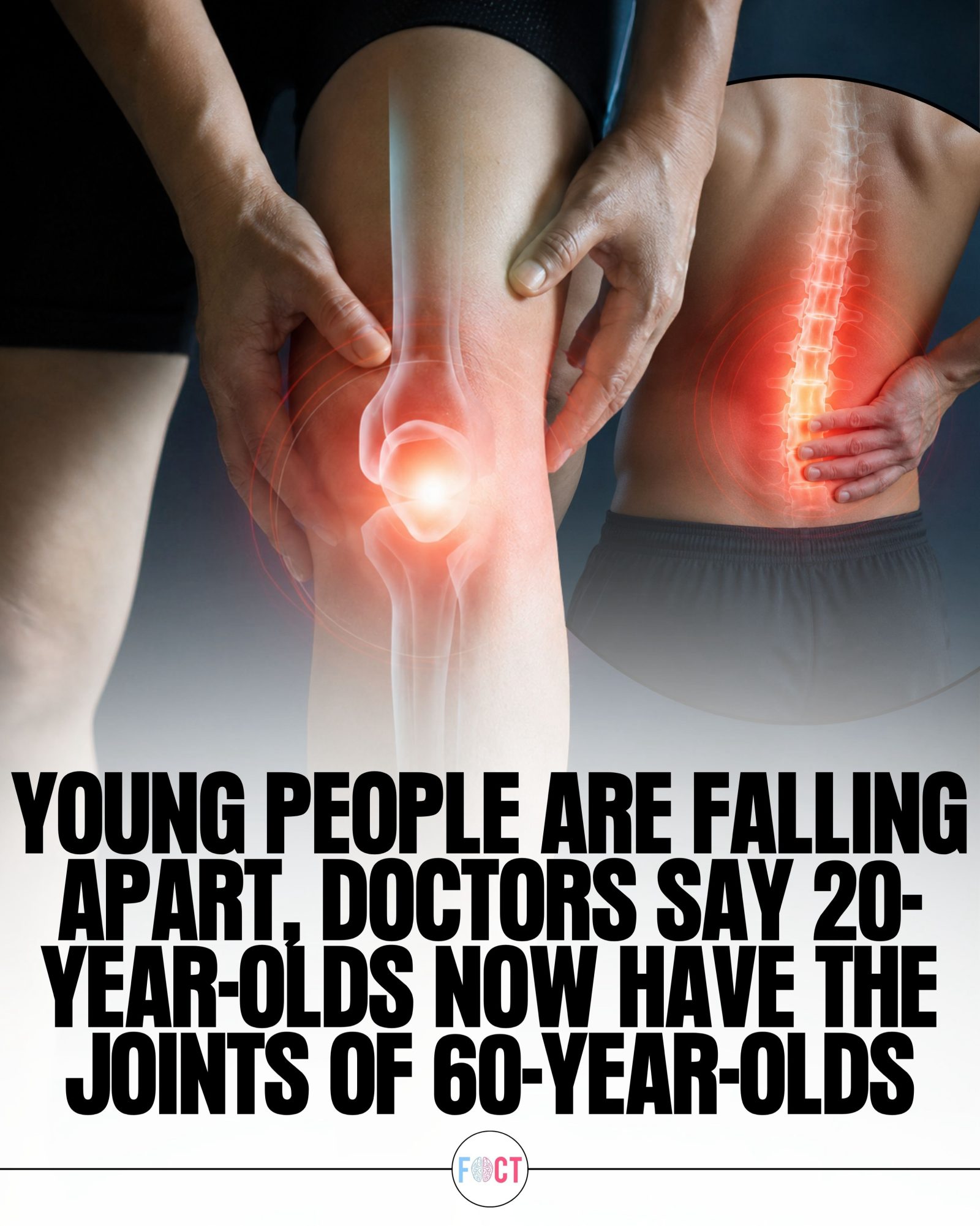
Joint Health Concerns: Why Young Adults Are Experiencing Joint Issues
Joint health is increasingly becoming a concern for younger adults. Doctors are observing a rise in joint issues among individuals under 40, with many experiencing the same level of joint deterioration typically seen in older adults. This trend is attributed to a combination of factors including sedentary lifestyles, excess weight, and repetitive strain.
Context: Why This Matters
Joint health is crucial for mobility and overall quality of life. The joints act as the body's shock absorbers and play a key role in movement and stability. Unfortunately, the modern lifestyle, characterized by prolonged sitting, lack of physical activity, and poor dietary habits, is taking a toll on young people's joints. Understanding the factors contributing to joint deterioration can help in adopting preventive measures and maintaining joint health.
Understanding the Factors Contributing to Joint Issues
Sedentary Lifestyle
A sedentary lifestyle is one of the leading causes of joint problems in younger adults. Prolonged sitting can weaken the joints and muscles, leading to stiffness and pain. According to health experts, long periods of inactivity can cause the muscles around the joints to atrophy, leading to decreased joint support and increased wear and tear. Incorporating regular physical activity and exercise into daily routines can help mitigate these risks.
Excess Weight
Excess weight is another significant factor contributing to joint issues. Carrying extra weight puts additional pressure on the joints, particularly the knees and hips, leading to accelerated joint wear and tear. Overweight and obese individuals are at a higher risk of developing joint conditions such as osteoarthritis. Maintaining a healthy weight through a balanced diet and regular exercise is essential for joint health.
Repetitive Strain
Repetitive strain, often associated with certain jobs or activities, can also lead to joint issues. Activities that involve repetitive movements, such as typing or lifting, can cause inflammation and damage to the joints. The risk of joint injuries is further increased by poor posture and improper technique. Proper ergonomics and taking regular breaks can help reduce the risk of repetitive strain injuries.
Low Physical Activity
Low physical activity levels contribute to joint health problems in younger adults. Regular exercise and physical activity help maintain the health and strength of the joints and muscles. Lack of physical activity can lead to reduced flexibility, decreased muscle strength, and increased risk of joint injuries. Engaging in regular exercise, such as walking, running, or swimming, can help maintain joint health.
Practical Tips for Maintaining Joint Health
Incorporate Regular Exercise
Regular exercise is crucial for maintaining joint health. Aim for at least 150 minutes of moderate-intensity aerobic activity or 75 minutes of vigorous-intensity activity per week. Incorporate strength training exercises to improve muscle strength and stability around the joints. Always start with low-impact exercises and gradually increase the intensity as your body adapts.
Maintain a Healthy Weight
Maintaining a healthy weight is essential for reducing the strain on your joints. A balanced diet rich in fruits, vegetables, lean proteins, and whole grains can help you achieve and maintain a healthy weight. Avoid processed foods, sugary drinks, and excessive alcohol consumption, which can contribute to weight gain and joint problems. Consult a healthcare provider or a registered dietitian to develop a personalized nutrition plan.
Practice Good Posture
Good posture is crucial for maintaining joint health. Poor posture can put excessive stress on the joints, leading to pain and discomfort. Practice good posture by keeping your back straight, shoulders relaxed, and feet flat on the ground. Use ergonomic chairs and desks to support proper posture, especially if you spend long hours sitting.
Avoid High-Impact Activities
High-impact activities, such as running or jumping, can put excessive stress on the joints. If you are at risk of joint problems, consider low-impact activities like swimming, cycling, or yoga. These activities provide a cardiovascular workout without putting excessive stress on the joints. Always listen to your body and avoid activities that cause pain or discomfort.
Stay Hydrated
Staying hydrated is essential for joint health. Proper hydration helps maintain the lubrication of the joints, reducing friction and wear and tear. Aim for at least 8 glasses of water per day and increase your intake during physical activity or hot weather. Eating hydrating foods, such as fruits and vegetables, can also help maintain proper hydration.
Avoid Smoking
Smoking is detrimental to joint health. It can impair blood flow, reducing the supply of oxygen and nutrients to the joints. Smoking can also weaken the immune system, making it harder for the body to repair joint damage. Quitting smoking can significantly improve joint health and reduce the risk of joint problems.
Important Takeaways
Joint health is largely shaped by everyday habits long before old age. Taking proactive steps to maintain joint health can prevent the onset of joint problems in younger adults. Understanding the factors contributing to joint issues and adopting preventive measures can help maintain mobility and overall quality of life. The key takeaways include:
- Exercise Regularly: Incorporate regular physical activity into your daily routine to maintain joint health.
- Maintain a Healthy Weight: A balanced diet and regular exercise can help achieve and maintain a healthy weight.
- Practice Good Posture: Good posture can reduce the strain on your joints and prevent joint problems.
- Avoid High-Impact Activities: Low-impact activities can provide a cardiovascular workout without putting excessive stress on the joints.
- Stay Hydrated: Proper hydration helps maintain the lubrication of the joints, reducing friction and wear and tear.
- Avoid Smoking: Quitting smoking can significantly improve joint health and reduce the risk of joint problems.
Conclusion
Joint health is a critical aspect of overall well-being, and it is never too early to start taking care of your joints. By adopting healthy habits and making informed choices, you can maintain joint health and prevent the onset of joint issues. Regular exercise, maintaining a healthy weight, good posture, low-impact activities, staying hydrated, and avoiding smoking are essential for joint health. Take proactive steps today to ensure long-term joint health and mobility.
Watch the Reel
Questions readers ask
Why are young adults experiencing joint issues typically seen in older adults?
Young adults are experiencing joint issues typically seen in older adults due to a combination of factors, including sedentary lifestyles, excess weight, and repetitive strain. These factors contribute to premature joint deterioration and increased joint pain.
What role does a sedentary lifestyle play in joint pain for young adults?
A sedentary lifestyle can lead to weakened muscles and reduced joint support, increasing the risk of joint pain and injury. Prolonged sitting also places sustained pressure on certain joints, such as the hips and knees.
How does excess weight contribute to joint deterioration in young adults?
Excess weight places additional stress on weight-bearing joints, such as the knees and hips. This increased pressure can accelerate the wear and tear of cartilage and lead to early-onset joint damage.
What is repetitive strain and how can young adults prevent it?
Repetitive strain occurs when a particular motion is repeated excessively and can result in injury, inflammation, and joint pain. To prevent this, young adults should take regular breaks, maintain proper posture, and incorporate varied activities into their daily routines.
What are some ways young adults can mitigate joint pain and improve joint health?
Young adults can mitigate joint pain by maintaining a healthy weight, engaging in regular physical activity, and strengthening the muscles around their joints. Additionally, incorporating low-impact exercises like swimming or cycling can help improve joint health without placing excessive strain on the joints.
What are the first steps for a young adult experiencing joint pain?
The first steps for a young adult experiencing joint pain are to consult a healthcare provider, rest the affected joint, apply ice, and consider over-the-counter pain relievers. It's important to avoid activities that aggravate the pain and to follow a customized plan to manage the pain and improve joint health.
Recent articles
Fresh deep dives from the latest Reels we unpacked.




Comments
Be the first to comment.