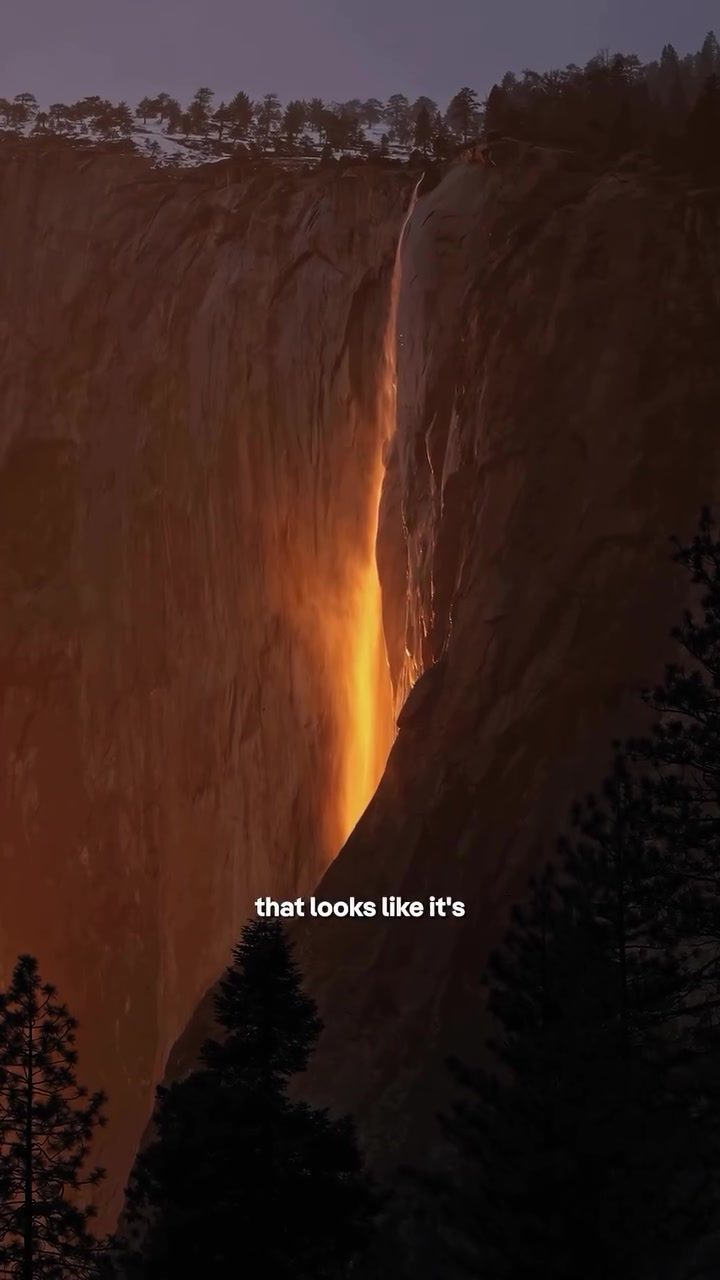
Horsetail Falls Glow
Yosemite National Park's Horsetail Falls is famous for its breathtaking transformation into a glowing stream of fire during a brief period each year. This natural phenomenon, often referred to as the "firefall," is a sight to behold, and knowing the details can enhance your experience.
Context / Why this Matters
Horsetail Falls is a seasonal waterfall in Yosemite that comes alive with a fiery glow during specific periods. This occurs when the setting sun hits the waterfall at just the right angle, creating an illusion that the water is flowing with lava. Captivated by this spectacle, visitors flock to Yosemite to witness the magic firsthand.
Main Discussion
The Science Behind the Glow
The fiery glow of Horsetail Falls is a result of precise alignment of natural elements:
- Sun's Angle: The sun must be at a particular angle to cast its light directly on the waterfall. This happens just before sunset during a few weeks in late February.
- Clear Skies: Cloud cover can block the sunlight, so clear skies are crucial for the effect.
- Water Flow: A good winter snowfall ensures the waterfall has enough water to create a visible stream.
Optimal Viewing Conditions
To experience the firefall, several conditions must be met:
- Timing: The best time to see the glow is mid-to-late February, just before sunset. Occasionally, it can also be observed in October, but this is less common.
- Location: The best views are from the El Capitan Picnic Area. Arrive early to secure a good spot, as the area can get very crowded.
- Weather: Check the weather forecast for clear skies. Even a little cloud cover can block the sunlight and ruin the effect.
- Wear Appropriate Clothing: Dress warmly and wear sturdy shoes, as you'll be standing in one spot for a while.
Historical Significance
The firefall phenomenon was first documented by photographers in 1973. Since then, it has become a must-see natural wonder, drawing visitors from around the world. The unique combination of natural elements creates a spectacle that is both awe-inspiring and fleeting.
Key Factors to Consider
- The Sun's Position: The sun's position is critical. It must be aligned perfectly with the waterfall for the glowing effect to occur.
- Water Availability: Consistent water flow from melting snow is essential. A good winter snowfall ensures the waterfall has enough water to create a visible stream.
- Weather Conditions: Clear skies are necessary for the sun's rays to illuminate the waterfall. Cloud cover can obstruct the view and diminish the effect.
The Glowing Effect
The glow is most visible for just 5-10 minutes before sunset, making it a brief but unforgettable experience. The waterfall appears to flow with lava due to the sun's reflection, creating a fiery red and orange hue that is mesmerizing.
Practical Tips
Planning a trip to see Horsetail Falls requires careful consideration of several factors:
Best Time to Visit
- February: Plan your trip for mid-to-late February. This is the prime time to witness the firefall.
- October: Although less common, the firefall can sometimes be seen in October as well. However, the conditions are less predictable.
What to Bring
- Warm Clothing: Dress in layers to stay warm, as temperatures can drop significantly in the evening.
- Comfortable Footwear: Wear sturdy shoes, as you'll likely be standing for an extended period.
- Camera Gear: Bring a camera with a tripod to capture the spectacle. A wide-angle lens can help capture the full extent of the waterfall and its surroundings.
Where to Stand
- El Capitan Picnic Area: This is the best spot to view the firefall. Arrive early to secure a good vantage point, as it can get crowded.
- Alternative Viewpoints: If the picnic area is too crowded, consider other nearby viewpoints, but be aware that the lighting effect may not be as pronounced.
Important Takeaways
- Rarity: The firefall phenomenon is rare and occurs only under specific conditions.
- Timing: The best time to see it is in late February, just before sunset.
- Preparation: Plan ahead, check the weather, and arrive early to secure a good spot.
Conclusion
Witnessing Horsetail Falls glow is a breathtaking experience that combines the beauty of nature with a bit of magic. Whether you're a seasoned photographer or a nature enthusiast, this natural phenomenon is a must-see. The key to a memorable experience lies in careful planning, clear skies, and the right timing.
Watch the Reel
Questions readers ask
What causes the firefall effect at Horsetail Falls?
The firefall effect at Horsetail Falls is caused by the alignment of the setting sun with the waterfall. When the sun is at a specific angle in late February, it illuminates the waterfall, creating the illusion of a flowing lava stream.
When is the best time to see the Horsetail Falls firefall?
The best time to see the Horsetail Falls firefall is typically in late February, from around 5:00 P.M to 5:20 PM, for a few minutes each evening. The exact dates can vary slightly each year, so it's important to check the latest forecasts and park updates.
Where is the best place to view the Horsetail Falls firefall?
The best viewing spots for the Horsetail Falls firefall are at El Capitan Meadow or near the El Capitan picnic area. Park rangers often guide visitors to the optimal spots for viewing, ensuring a great experience.
How long does the firefall effect last?
The firefall effect is a fleeting spectacle that typically lasts only 5-10 minutes. It occurs when the sun is at a precise angle, so timing is crucial for witnessing this natural wonder.
What if it's cloudy or raining during the expected firefall dates?
If the weather is cloudy or rainy during the expected firefall dates, the phenomenon may not be visible. Clear skies are essential for the setting sun to illuminate Horsetail Falls. Keep an eye on weather forecasts to plan accordingly.
Are there any special events or gatherings to watch the firefall?
While the National Park Service does not organize specific events for the firefall, visitors often gather in large numbers at viewing points. Park rangers usually provide information on the best spots to watch, but it's a good idea to arrive early to secure a good viewing location.
Can the firefall be viewed from other locations in the park besides Yosemite Valley?
The firefall is best viewed from Yosemite Valley, specifically from El Capitan Meadow or the El Capitan picnic area. While other locations in the park might offer partial views, the optimal viewing experience is in Yosemite Valley.
Related deep dives
Similar reads based on topic and creator.


Recent articles
Fresh deep dives from the latest Reels we unpacked.




Comments
Be the first to comment.