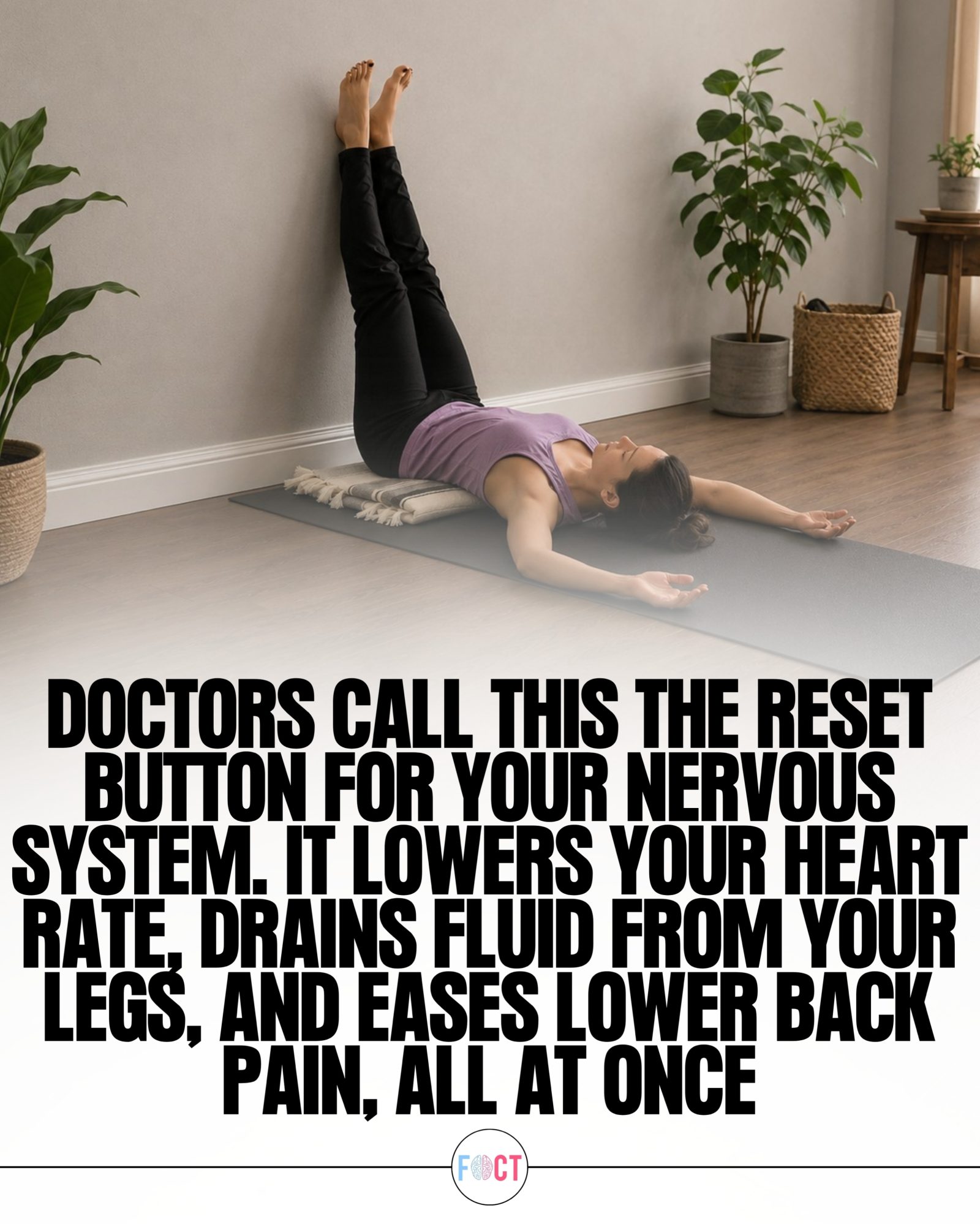
Legs Up the Wall: Yoga for Relaxation
The "legs up the wall" pose is a simple, restorative yoga position that offers a range of benefits for both the body and mind. This gentle inversion is particularly useful for promoting relaxation, reducing leg swelling, and alleviating temporary lower back discomfort after prolonged periods of standing or sitting. The pose is often praised for its ability to encourage a sense of calm and relieve stress, making it a popular choice for unwinding after a long day.
Why This Matters
In today's fast-paced world, finding moments of relaxation and stress relief is more important than ever. The "legs up the wall" pose provides a straightforward yet effective way to counteract the physical and mental tension that can build up throughout the day. Whether you're dealing with the effects of a sedentary lifestyle or the strains of a busy work schedule, this pose can help you find a sense of ease and rejuvenation.
The Benefits of Legs Up the Wall
Physiological Benefits
The "legs up the wall" pose offers several physiological benefits. One of the most notable is its ability to lower your heart rate, promoting a state of calm and relaxation. By elevating your legs above your heart, you also encourage the drainage of fluid from your legs, which can help reduce swelling and improve circulation. Additionally, this pose can temporarily alleviate lower back pain, making it a valuable tool for those who experience discomfort in this area.
Mental and Emotional Benefits
Beyond the physical benefits, the "legs up the wall" pose is often praised for its ability to ease anxiety and promote mental relaxation. While some refer to it as a "nervous system reset," it's important to note that this is not a medical term. However, the pose can certainly help to reduce mental tension and encourage a sense of tranquility, making it a useful addition to any stress-reduction routine.
Who Can Benefit
This pose is suitable for a wide range of individuals, from yoga beginners to seasoned practitioners. It is particularly beneficial for those who spend long hours sitting or standing, as well as for individuals who experience leg swelling, lower back discomfort, or general stress and anxiety. Pregnant individuals and those with certain medical conditions should consult with a healthcare provider before attempting this pose.
Practical Tips for Getting the Most Out of the Pose
Preparing for the Pose
To begin, find a quiet, comfortable space where you can lie down on your back with your legs extended. You may want to place a folded blanket or bolster under your hips to provide additional support. Place your pelvis close to a wall, then extend your legs up the wall, keeping your feet relaxed and your toes pointing upward. Allow your arms to rest comfortably at your sides, with your palms facing up. Close your eyes and take a few deep breaths to settle into the pose.
Enhancing the Experience
For a deeper sense of relaxation, consider incorporating some additional elements into your practice. For example, you can place an eye pillow over your closed eyes to block out light and enhance the calming effect. You can also play soft, soothing music or use a guided meditation to further promote mental relaxation. Experiment with different durations to find what works best for you, but generally aim for 5 to 15 minutes.
Modifications and Variations
If you find it challenging to keep your legs extended or experience discomfort in your lower back, consider bending your knees and placing the soles of your feet against the wall. This modification can help alleviate any strain and make the pose more accessible. Additionally, you can place a bolster or pillow under your knees to provide extra support and cushioning.
Important Takeaways
The Science Behind the Pose
While the "legs up the wall" pose is not a scientifically proven "reset" for the nervous system, it does offer several physiological benefits. By lowering your heart rate and encouraging fluid drainage, the pose can help to reduce both physical and mental tension. This makes it a valuable addition to any wellness routine, particularly for those seeking relief from the stresses of modern life.
Incorporating the Pose into Your Routine
To get the most out of the "legs up the wall" pose, make it a regular part of your daily routine. Whether you practice it in the morning to start your day on a calm note or in the evening to unwind and prepare for sleep, this simple pose can offer significant benefits. Experiment with different durations and variations to find what works best for your unique needs and preferences.
Conclusion
The "legs up the wall" pose is a gentle, yet powerful yoga position that offers a range of benefits for both the body and mind. By promoting relaxation, reducing leg swelling, and alleviating lower back discomfort, this pose can help you find a sense of ease and rejuvenation. Whether you're new to yoga or an experienced practitioner, incorporating this pose into your routine can be a valuable addition to your wellness toolkit.
Watch the Reel
Questions readers ask
How does the 'legs up the wall' yoga pose help reset the nervous system?
The 'legs up the wall' pose encourages relaxation and stress relief. By calming the mind and body, this pose helps to shift the nervous system from a sympathetic (fight or flight) state to a parasympathetic (rest and digest) state, promoting overall mental relaxation.
Can the 'legs up the wall' pose provide long-term relief from lower back pain?
While the 'legs up the wall' pose can offer temporary relief from lower back discomfort, especially after prolonged periods of sitting or standing, it is not a cure for chronic back pain. For long-term pain management, it should be combined with other exercises and treatments recommended by a healthcare professional.
How does the 'legs up the wall' pose help reduce leg swelling?
The 'legs up the wall' pose is a gentle inversion that promotes blood flow and helps drain fluid from the legs, reducing swelling. By elevating the legs, this pose encourages venous return, which can help to decrease puffiness and discomfort in the lower extremities.
Is the 'legs up the wall' pose suitable for those with high anxiety?
Yes, the 'legs up the wall' pose is an excellent yoga exercise for anxiety. It encourages deep breathing and relaxation, which can help lower the heart rate and promote a sense of calm, making it a useful tool for managing stress and anxiety.
How long should I hold the 'legs up the wall' pose for maximum benefit?
To experience the full benefits of the 'legs up the wall' pose, hold the position for at least 5-15 minutes. For deeper relaxation, you can stay in the pose for up to 20 minutes. Remember to listen to your body and adjust the duration as needed.
Can the 'legs up the wall' pose be practiced daily for stress relief?
Yes, the 'legs up the wall' pose can be practiced daily as part of a routine to relieve stress. Incorporating this pose into your daily routine can help promote consistent mental relaxation and stress relief, making it an excellent addition to your relaxation yoga poses.
Related deep dives
Similar reads based on topic and creator.



Recent articles
Fresh deep dives from the latest Reels we unpacked.




Comments
Be the first to comment.