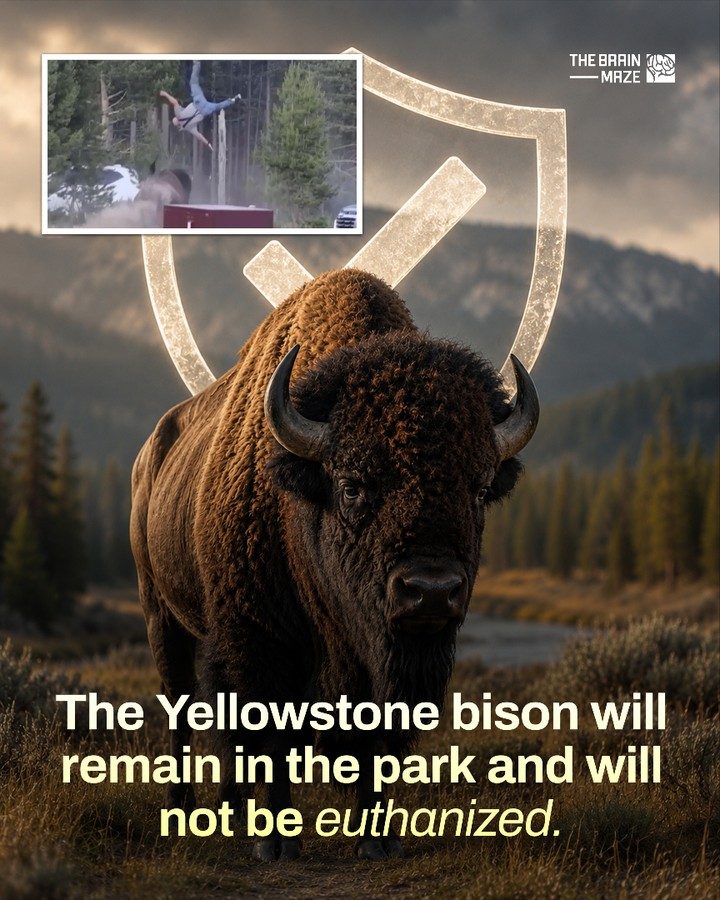
Yellowstone Bison Attacks and Park Safety
Yellowstone National Park is renowned for its stunning landscapes and abundant wildlife, including the iconic bison. However, a recent incident involving a bison attack on a visitor serves as a stark reminder of the potential dangers posed by these powerful animals. This event has sparked discussions about park safety, visitor behavior, and the management of wildlife in protected areas.
Context / Why This Matters
Yellowstone National Park attracts millions of visitors each year, eager to witness its natural beauty and diverse wildlife. The park's bison population is a major draw, but these animals are not to be underestimated. Bison are large, strong, and can be unpredictable, making close encounters potentially hazardous.
The recent bison attack resulted in a visitor, a grandfather, being seriously injured. The man suffered multiple broken bones but is recovering after surgery. This incident highlights the importance of maintaining a safe distance from wildlife and understanding the potential risks involved in wildlife viewing.
Main Discussion
Bison Behavior and Park Safety
Bison are the largest mammal in North America and can weigh up to 2,000 pounds. They are known for their strength and agility, which can make them dangerous if provoked or surprised. Park officials have emphasized that visitors should always keep a safe distance from bison and other wildlife.
The incident involving the grandfather serves as a reminder that even animals that appear docile can pose a significant threat. Bison, in particular, are known to charge when they feel threatened or when protecting their young. Visitors should be cautious and respectful of these animals, ensuring they do not inadvertently provoke an attack.
Park Officials' Response
In response to the attack, park officials decided not to euthanize the bison involved. This decision was likely influenced by several factors, including the unpredictable nature of wildlife behavior and the importance of maintaining the park's natural ecosystem. Bison are a key part of Yellowstone's ecosystem, and their presence contributes to the park's biodiversity and ecological balance.
Euthanizing the bison would not only deprive the park of an important member of its ecosystem but also send a message that wildlife should be blamed for human mistakes. Park officials have instead focused on educating visitors about the importance of wildlife safety and respecting the boundaries between humans and animals.
Understanding Wildlife Safety
It is crucial to understand the behavior of wild animals and the risks they pose. Bison, in particular, are highly territorial and can become aggressive when they feel their space is being invaded. Visitors should always keep a safe distance from these animals, especially during calving season when bison are more protective of their young.
By following basic safety guidelines, visitors can minimize the risk of an attack. This includes staying in designated areas, avoiding getting between a bison and its calf, and never approaching a bison that appears agitated or defensive.
Practical Tips
Visitors to Yellowstone National Park should follow several practical tips to ensure their safety and the well-being of the park's wildlife:
-
Maintain a Safe Distance: Always stay at least 25 yards (23 meters) away from bison and other large animals. If a bison approaches you, move away slowly and calmly.
-
Respect Wildlife Boundaries: Never approach or feed wild animals, as this can lead to aggressive behavior.
-
Stay on Designated Trails and Roads: Wildlife can be unpredictable, and staying on designated paths minimizes the risk of encounters.
-
Be Aware of Wildlife Behavior: Understand the behavior of the animals you are observing. Bison, for example, are most dangerous during calving season (April through June) and during mating season (July through August).
-
Carry Bear Spray: While primarily used for bear encounters, bear spray can also be effective against bison. Make sure you know how to use it before encountering wildlife.
-
Stay Alert and Informed: Follow park guidelines and pay close attention to park signs that warn about specific wildlife risks in different areas.
Important Takeaways
The recent bison attack in Yellowstone National Park serves as a reminder of the potential dangers posed by wildlife and the importance of maintaining a safe distance from these animals. Visitors should always be aware of their surroundings and respect the boundaries between humans and wildlife.
Park officials’ decision not to take action against the bison highlights their commitment to maintaining the park's natural ecosystem. This approach emphasizes the importance of education and awareness in preventing future incidents and ensuring the safety of both visitors and wildlife.
Conclusion
Yellowstone National Park is a treasure trove of natural wonders and diverse wildlife. The recent bison attack underscores the importance of respecting these powerful animals and following safety guidelines. By doing so, visitors can enjoy the park's natural beauty while minimizing the risks associated with wildlife encounters.
Always remember that wildlife should be observed from a safe distance, and respecting their space is crucial for both visitor safety and the well-being of the park's ecosystems.
Watch the Reel
Questions readers ask
What should I do if I encounter a bison in Yellowstone?
If you encounter a bison, maintain a safe distance of at least 25 yards (75 feet). Use binoculars, a telephoto lens, or a spotting scope to get a closer look. Never approach or feed the bison, and always keep a safe distance between it, your vehicle, and yourself.
How can I stay safe around bison in Yellowstone?
Stay safe by adhering to park guidelines, such as staying at least 25 yards away from bison and other wildlife. Never approach or feed them, and be cautious when driving through areas where bison are present. Keep your eyes on the bison at all times and be aware of their movements.
What should I do if a bison charges?
If a bison charges, do not run. Running can provoke the bison to chase you. Give them space by moving slowly and calmly away from the bison, and do not turn your back on it. If necessary, find a safe distance and let the animal pass, ensuring you don't block its path.
What are the most common causes of bison attacks in Yellowstone?
The most common causes of bison attacks are visitors approaching too closely, getting between a cow and her calf, or startling an animal. Bison can also be aggressive during mating season or when protecting their young.
Why should I avoid getting close to bison in Yellowstone?
Bison, despite their placid appearance, can be aggressive and unpredictable. They are large, powerful animals that can run up to 35-40 mph, weigh up to 2,000 pounds and can easily injure or kill people who get too close.
What precautions should I take when viewing bison in Yellowstone?
When viewing bison, maintain a safe distance, stay calm and quiet, and never approach or feed them. Use binoculars or a telephoto lens for a closer look, and always keep a safe distance between the animals and your vehicle or yourself. Be aware of your surroundings and the animals' behavior.
What is the best way to react if I come across bison in my car?
If you encounter bison in your car, stay in the vehicle and do not attempt to feed or approach the animals. If the bison are blocking the road, remain calm, turn off your engine, and wait for the animals to move. If necessary, call park rangers for assistance, and do not attempt to move the animals yourself.
Related deep dives
Similar reads based on topic and creator.




Recent articles
Fresh deep dives from the latest Reels we unpacked.




Comments
Be the first to comment.