The Rage Revival: Reclaiming Girlhood in a Society That Talks First, Listens Last
In the swirl of the everyday, it can be hard to realize how frequently women internalize their own objectification. "I used to blame girls too," for instance. They are women who have embraced the burden of striving to live up to unrealistic standards. People say, "the girls of this generation are so vain. Why can't they put their brains towards books instead of good looks?" a constant reminder that girls are seen only for their appearance, not their intellect, not their strength, and never their resilience. "Why can't they put their brains towards books instead of good looks?" No wonder so many girls feel they can't make a difference.
The Modern Censorship of the Female Voice
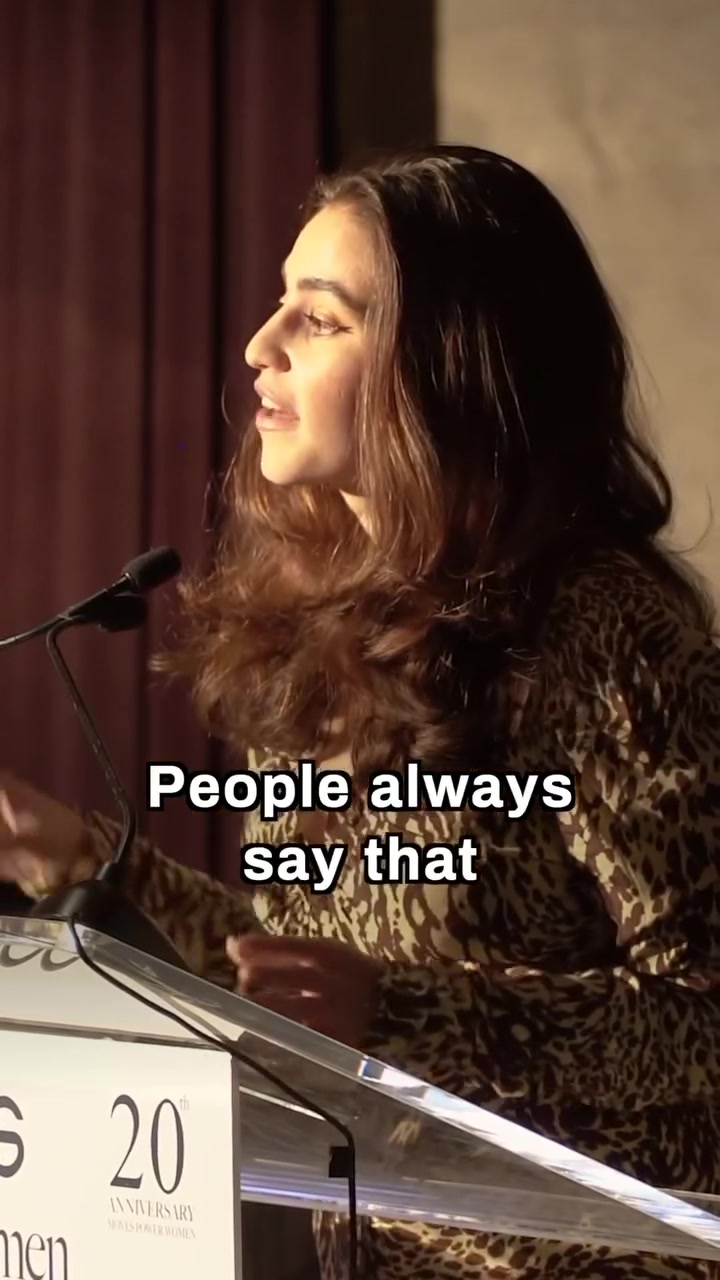
The speaker's journey begins with a harsh truth. Girls are held under a microscope, constantly scrutinized, and judged. "Big butt, big boobs, skinny waist includes small nose, plump lips, bony hips. Hairless, careless, but still has an awareness in all fairness." It's a checklist, and a harsh one. They must tweak and resize and compromise. The girl that emerges is merely a mold, and she is everywhere. That's the heart of it. People are shouting for approval that they won't get until they comply with everything. They want to be seen as beautiful, but not in the way that matters. We've arrived at a place where people can't stand the thought that their preferences don't rule the world. That's why, if they see a girl growing up out of the box, they feel entitled to punish her. "Or that your boss might tell you to stop giving him eyes. If you want to raise, you've got to compromise." The world is filled with people who are actively making girls feel shame and guilt. But the girl is always a person, her body is her body, and there is no allowance for it to be an object. When she decides to speak out, she is obliterating the one oppressive tool society has. When she opens her mouth, she is dismantling the cage. The speaker argues that this world has mistreated her as a performer and as a person. "Stuck in between being a girl and a woman growing up in a world that has taught me to look sexy, get a degree, maybe a little rhinoplasty, but never, never disagree with misogyny." It’s a disheartening truth. The girl is blamed for the way she looks, excoriating her for what she is or isn't. Yet she is not a performer. She is a person, and she is not a slave to this world. Even though she may not be the winner in this oppressive game, she does not agree with the rules. She is stronger. In the face of adversity, she has a unique ability to emerge, and with it, the courage to stand tall for who she is. "Don't blame me" is not an apology, it is an opportunity for the girl to reclaim her strength. Because even as women, we haven't arrived at "free." The vision of equality is not about scolding the oppressor, but about equity. Equality is accountability, she stresses, that my brother knows that I am equal to him. If women want to have strong voices, they have to be accountable. If society expects the girl to be an object, it must admit that it is embarrassed by how often it has been held under a microscope. It should recognize the impact of anger and harassment on girls of all ages. "Equality is education. From classrooms to courtrooms..."
**But women can't stand sitting and the spectator position
It is part of a broader effort to dismantle patriarchy, the rejection of an oppressive society. In order to truly dismantle patriarchy, girls must be free from societal expectations. They deserve to be free from the constant surveillance and judgement of a society that holds them under a microscope and imposes unrealistic expectations on their bodies. Girls must be empowered to stand up for themselves, pursue their dreams, and define their own paths. A future where girls can reclaim their bodies, their identities, and their stories.
*##### The Microaggressions
Microaggressions inflict harm on women everywhere. "Let me show you above those thighs." It is a constant reminder that their bodies are not their own, but property to be scrutinized, objectified, and exploited. "We are used to it all, and we are appalled." It is a depressing reality for the girl to be objectified. The girl is reduced to her body, and she is forced to navigate a world that treats her as a sexual object. When girls are young, they are taught that they must be sexy, deserve a degree, and never disagree with misogyny. They are taught that their bodies are not their own, but property to be scrutinized, objectified, and exploited. When girls reach adulthood, they are expected to fit into a mold that society has imposed on them.
**## Speech as Resistance, Speech as Shelter
This speech is an opportunity to get to the truth. "A hundred years ago, we could not vote. Look at what happens when you try to demote the very bodies that give birth to you." There is an opportunity to deconstruct the narratives that have kept women oppressed for centuries. Speech is freedom of thought, and speech is the freedom of expression. This is no time to be polite, half subtle, or apologetic. This is a time to say it clearly and loudly. Let your speech set you free. "And that's why we've got the power in our hands, because we will not sit back and nod and smile while certain people reconcile the rules to being fertile. Sorry, but it's my body, baby." She demands equality, justice, and freedom for all women. She is a lioness, and she is coming for her crown. That's what she'll take for her sisters. Its reach is wider than anyone seems to have. It's not just about raising the next generation — it's also about changing the future. For every woman and every man, the girl knows her voice will be heard, and she is aware of the power in her hands. "That my brother knows that I am equal to him, so equality is education."
***"Bam! CONTROL + ALT + DELETE"
Step 1: Stop listening to the haters. They have nothing but negative things to say. Think positive, and you will see that the world only has positive things to say to you. Step 2: Understand your problems. You do not belong in your bedroom. You belong in a conference room. You are not an object, and you don't want to be demeaned. Step 3: Never doubt your right to be heard. Step 4: Use your voice to speak out against injustice. Step 5: Follow the truth where it leads you.
Your Quest for Empowerment
When you discover that your voice is so valuable, you have to use it. It isn't time for silence. It is time to break through the silence that society has enforced. The world needs to be reminded that there is a women's empowerment movement for all women. It’s a movement that will change the world. Equality is accountability. From classrooms to conference rooms, equality is education, is strong voices, is breaking through the silence that exists because silence can't exist if it's not tolerated.
Watch the Reel
Questions readers ask
What does the speaker mean by 'the big butt, big boobs' checklist?
The speaker is referring to the societal pressure on girls and women to conform to a specific, unrealistic physical standard, which includes having a large butt, large breasts, a thin waist, and other specific features. This checklist is a critique of how women are often objectified and judged based on their appearance rather than their intellect or personal qualities.
How does the speaker address the idea of girls being objectified?
The speaker highlights that girls are often seen only for their physical appearance, not for their intellect, strength, or resilience. She argues that this objectification leads to a constant scrutiny and judgment, making it hard for girls to feel valued for who they are as individuals.
What does the speaker mean by 'the girl is always a person'?
The phrase 'the girl is always a person' emphasizes the speaker's belief that girls should be treated as individuals with their own thoughts, feelings, and autonomy, rather than as objects to be judged or controlled based on their appearance. It's a call to recognize and respect the humanity and agency of girls and women.
What is the speaker's perspective on the phrase 'stop giving him eyes'?
The speaker views the phrase 'stop giving him eyes' as a form of censorship and control, encouraging girls to suppress their natural expressions and behaviors to avoid making others uncomfortable. She argues that this kind of demand contributes to the silencing and objectification of girls and women.
Is the speaker's message only relevant to girls and women?
While the speaker focuses on the experiences of girls and women, her message about objectification, censorship, and the need for equity and accountability is relevant to anyone who has been marginalized or oppressed. Her call for accountability and equality can be applied to various forms of discrimination and injustice.
How does the speaker propose to address the issues she raises?
The speaker emphasizes the importance of accountability and equity. She believes that society must acknowledge and take responsibility for its role in objectifying and silencing girls and women. By recognizing the humanity and agency of girls, society can begin to dismantle the oppressive systems that perpetuate these issues.
Related deep dives
Similar reads based on topic and creator.


Recent articles
Fresh deep dives from the latest Reels we unpacked.




Comments
Be the first to comment.