Parkinson's Disease and the Extraordinary Sense of Smell
Joy Milne, a Scottish woman, has made an unprecedented contribution to Parkinson's disease research. It all began with a peculiar observation. Milne, a retired nurse, has a rare condition known as hyperosmia, which gives her an exceptionally strong sense of smell. This heightened ability allowed her to detect a unique, musky "oily biscuit" odor on her husband, Les, 12 years before he was diagnosed with Parkinson's disease.
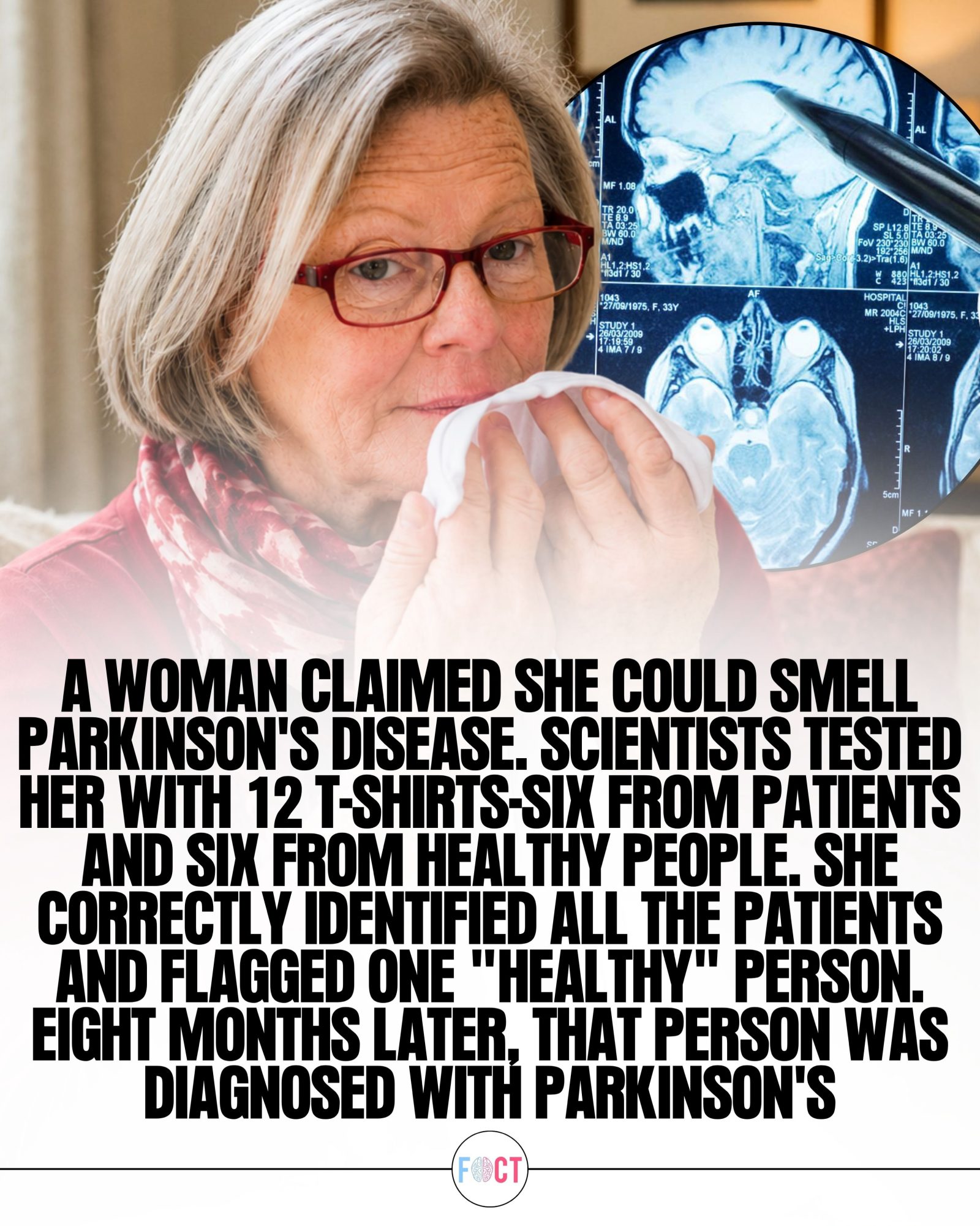
Milne's discovery led to a significant breakthrough in medical research. Researchers at the University of Edinburgh were initially skeptical of her claims, so they conducted a famous 12 T-shirt blind trial. The trial involved Milne identifying patients with Parkinson's disease and healthy individuals solely by their scent. The results were astonishing. She correctly identified all the patients and six from the healthy group—one of whom was diagnosed with Parkinson's eight months later. This 100% accuracy left the scientific community stunned.
Why This Matters
Parkinson's disease is a progressive neurological disorder that affects the body's motor system. Early diagnosis is challenging because the symptoms, such as tremors and stiffness, often appear only in the later stages. However, Joy Milne's unique ability has provided new insights into the early detection of the disease.
The Scientific Pivot
Milne's incredible sense of smell has directly inspired a major scientific pivot. Researchers have pinpointed that the distinct odor associated with Parkinson's disease concentrates on the upper back and neck. This odor originates from specific volatile biomarkers within sebum, the skin’s natural moisturizing oils. The chemical composition of sebum changes due to the disease, making it a potential biomarker for early detection.
The Development of a Non-Invasive Test
The University of Manchester's laboratories have developed a simple, non-invasive skin swab test using mass spectrometry. This test offers the potential to diagnose patients years before physical motor symptoms, such as tremors, ever begin. The test focuses on the specific volatile biomarkers in sebum, making it a groundbreaking tool for early detection.
Practical Tips for Those Concerned
Parkinson's disease is a complex condition, but there are practical steps one can take to stay informed and proactive:
-
Recognizing Early Signs: Familiarize yourself with the early signs of Parkinson's, such as subtle changes in smell, posture, and movement. While these signs may not be definitive, they can serve as a starting point for further investigation.
-
Consulting Experts: If you notice any of these signs in yourself or a loved one, it is crucial to consult a healthcare provider.
-
Staying Informed: Keep up-to-date with the latest research and developments in Parkinson's disease. Organizations like the Parkinson's Foundation and the Michael J. Fox Foundation provide valuable resources and support for patients and their families.
Important Takeaways
Joy Milne's extraordinary sense of smell has revolutionized Parkinson's disease research. Her ability to detect a unique odor associated with the disease has led to the development of a non-invasive skin swab test, offering the potential for early diagnosis. This breakthrough not only validates the importance of heightened sensory abilities in medical research but also underscores the potential for innovative diagnostic tools.
Conclusion
The journey of Joy Milne and her unique ability to smell Parkinson's disease is a testament to the power of human senses in medical research. Her discovery has paved the way for groundbreaking innovations in the early detection of this neurodegenerative disorder. As research continues, the hope is that such advancements will lead to better treatments and ultimately, a cure.
Watch the Reel
Questions readers ask
How did Joy Milne first discover her ability to detect Parkinson's disease through smell?
Joy Milne first noticed a unique, musky odor on her husband, Les, 12 years before he was diagnosed with Parkinson's disease. This odor, which she described as similar to 'oily biscuits,' was later found to be a potential indicator of the disease. Her heightened sense of smell, a condition known as hyperosmia, enabled her to make this remarkable observation.
What is the significance of the 12 T-shirt blind trial in Parkinson's research?
The 12 T-shirt blind trial was a pivotal moment in Parkinson's research. It involved Joy Milne identifying patients with Parkinson's disease and healthy individuals solely based on their scent. The trial's success validated the potential of using smell for early Parkinson's detection and paved the way for developing a non-invasive skin swab test.
Can a heightened sense of smell be developed or is it an inherent trait?
A heightened sense of smell, like Joy Milne's, is typically an inherent trait, often associated with a condition called hyperosmia. While it is possible to improve one's sense of smell through training and exercises, developing a level of sensitivity like Milne's is not achievable for most individuals.
How does the skin swab test for Parkinson's disease work?
The skin swab test for Parkinson's disease, inspired by Joy Milne's discoveries, is a non-invasive method. It involves collecting sebum, an oily substance produced by the skin, for analysis. This test is based on the idea that people with Parkinson's disease have a unique skin profile that can be detected, similar to the scent Milne identified.
What impact has Joy Milne had on Parkinson's research beyond the smell test?
Joy Milne's story has brought significant attention to the importance of early detection in Parkinson's disease. Her findings have inspired researchers to explore new avenues for identifying the disease in its early stages, potentially leading to better management and treatment options for patients.
Who was the Parkinson's researcher responsible for collaborating with Joy Milne?
The key researcher who collaborated with Joy Milne and led the 12 T-shirt blind trial was Dr. Tilo Kunath from the University of Edinburgh. Dr. Kunath, along with his team, played a crucial role in validating Milne's observations and advancing the understanding of Parkinson's disease through her unique sense of smell.
Recent articles
Fresh deep dives from the latest Reels we unpacked.




Comments
Be the first to comment.