Dramatic Sky Transformations: A Journey through Nature's Canvas
Backpacking or otherwise exploring the great outdoors? Waking up to dramatic sky transformations is one of the many rewards nature enthusiasts know well. The interplay of light and weather creates a dynamic spectacle that can shift rapidly, offering a mesmerizing display of colours and textures.
Why This Matters
The sky is more than just a backdrop; it's a dynamic canvas that reflects the ever-changing moods of nature. Understanding and appreciating these transformations can enrich outdoor experiences and even inspire photography and art. Whether you're a seasoned backpacker, a casual hiker, or simply someone who enjoys the beauty of nature, witnessing the sky's dramatic shifts is a unique and awe-inspiring experience.
The Magic of Nature's Colours
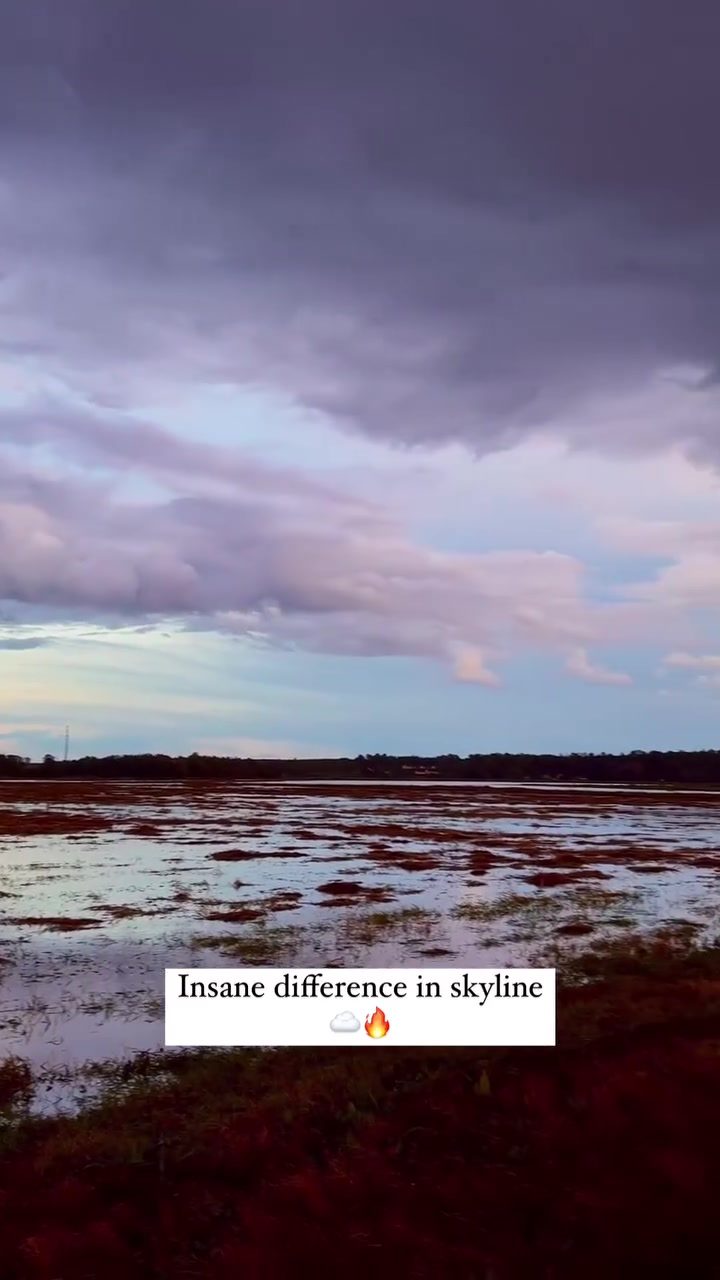
Imagine this: a cloudy, purple-tinged sky over a flooded field, which then transitions through vibrant orange and red hues, culminating in a breathtaking sunset. This journey through colours and textures is not just visually striking but also deeply satisfying for the soul. The changing colours in the sky are a result of the interplay between sunlight, atmospheric particles, and weather conditions. These factors combine to create a spectrum of hues that can range from soft pastels to vivid, dramatic tones.
The Science Behind the Colours
Light and Atmosphere Interaction
The colour of the sky is determined by how light interacts with the Earth's atmosphere. During the day, the sky appears blue due to a process called Rayleigh scattering, where the shorter blue and violet wavelengths of light are scattered more widely by the atmosphere. However, during sunrise and sunset, the sunlight has to pass through more of the Earth's atmosphere, which scatters the shorter blue and green wavelengths away from our line of sight. This leaves the warmer hues of red, orange, and yellow, which create the stunning sunsets and sunrises we often see.
Weather and Cloud Cover
Weather conditions play a crucial role in the dramatic shifts of the sky. Clouds, especially those with high water content, can reflect and scatter light in various ways, creating a range of colours. For instance, the presence of clouds can enhance the contrast between the dark and light areas of the sky, making the colours appear more vibrant.
The Role of Moisture
Moisture in the air, such as the mist from a flooded field, can also contribute to the dramatic transformation of the sky. The fine droplets of water in the air can act as tiny prisms, refracting and reflecting the sunlight in various directions, creating a shimmering effect that enhances the overall visual experience. This is why you might notice the sky's colours appearing more intense and vibrant over a body of water.
The Visual Impact
The visual impact of a dramatic sky transformation is often amplified by the surrounding landscape. A flooded field, for example, provides a consistent and serene foreground that contrasts beautifully with the changing colours of the sky. This juxtaposition creates a harmonious blend of earth and sky, making the entire scene appear almost surreal. The flooded field also adds a sense of tranquility, allowing viewers to fully immerse themselves in the awe-inspiring display of nature's beauty.
Practical Tips for Capturing the Magic
Timing and Location
To capture the best views of a dramatic sky transformation, choose the right time and location. Sunrise and sunset are the prime times for experiencing the most vibrant colours. Look for open spaces with minimal obstructions, such as fields, beaches, or mountains, where you can get a clear view of the horizon.
Additionally, consider the weather. Overcast skies can create stunning colours, and sometimes a bit of rain or fog can add an extra layer of intrigue to the scene.
Equipment and Settings
Camera or Phone
A good camera or smartphone with a high-resolution lens can make a big difference. For the best results, use a camera that allows manual adjustments, such as aperture, shutter speed, and ISO. This gives you more control over the final image and helps you capture the details and colours more accurately.
Tripod
Using a tripod can help stabilise your camera, especially during longer exposures. This is particularly useful during low-light conditions, such as during sunrise or sunset, when a small movement can blur the image.
Composition
Consider the composition of your shot. The rule of thirds can help create a balanced and visually appealing image. Positioning the horizon line along one of the third lines can add depth and perspective to your photo. Experiment with different angles and perspectives to find the most striking composition.
Editing Software
Post-processing tools like Adobe Lightroom or Photoshop can enhance the colours and contrast in your images. While it's essential to capture the best possible shot in-camera, a bit of editing can take your photos to the next level. Adjusting the white balance, exposure, and saturation can bring out the vibrant hues and details in your images.
Important Takeaways
Appreciate the Moment
While capturing the perfect shot is rewarding, don’t forget to take a moment to appreciate the beauty of nature with your own eyes. The sky’s transformation is a fleeting experience, and enjoying the moment can be just as fulfilling as capturing it on film.
Experiment and Explore
Each sky transformation is unique, so don’t be afraid to experiment with different angles, compositions, and settings. The more you explore and practice, the better you’ll get at capturing nature’s beauty.
Share Your Experience
Whether it’s through photography, painting, or simply sharing your story, the experience of witnessing a dramatic sky transformation is one to be cherished and shared. Your experiences can inspire others to appreciate and protect the natural world.
Conclusion
Dramatic sky transformations are one of nature's most breathtaking spectacles. The interplay of light, atmosphere, and weather creates a visually stunning display that can be appreciated by anyone who takes the time to look up. Whether you're a backpacker, a nature enthusiast, or someone who simply enjoys the beauty of the outdoors, these transformations are a reminder of the incredible beauty and complexity of our natural world.
Watch the Reel
Questions readers ask
How quickly can the colours in the sky change during a sunset or sunrise?
The sky's colours can shift rapidly, with dramatic changes occurring in as little as 10-15 minutes. This is especially true during sunrise and sunset when the sun’s position is low, causing vibrant hues to appear and evolve swiftly.
What factors influence the vibrant colours and textures in the sky?
Several factors contribute to the vibrant sky colours and textures, including the position of the sun, weather conditions, and the presence of clouds. The scattering of light through the atmosphere and the varying densities of clouds, can create a kaleidoscope of hues and textures.
How can capturing a sky time lapse enhance outdoor adventures?
Creating a sky time lapse can enhance outdoor adventures by allowing you to document the dynamic changes in the sky over time. This technique can capture the beauty of transitional moments, such as the shift from day to night, providing a unique perspective of the environment.
What are some tips for photographing the rapidly changing sky?
For creative sky photography, use a tripod to keep your camera steady and experiment with different exposure settings. Consider using a wide-angle lens to capture the vastness of the sky and include interesting foreground elements to add depth to your images.
How can understanding sky changes benefit backpackers and hikers?
Understanding sky changes can significantly benefit backpackers and hikers by helping them predict weather conditions. Recognizing the patterns in the sky, such as the movement of clouds or changes in colour, can provide clues about upcoming weather shifts, aiding in route planning and safety.
What are some unique features of night sky changes?
Night sky changes offer a different charm, with stars, constellations, and often the moon illuminating the night. Observing the transition from dusk to night, you might witness the emergence of celestial bodies, a gradual darkening of the sky, and a shift in the visible textures and hues.
Why is the skyline a dynamic canvas for nature enthusiasts?
The skyline is a dynamic canvas because it constantly evolves with the passage of time and weather. Whether it's the vibrant colours of a sunset, the ever-changing patterns of clouds, or the serene beauty of a starry night, the skyline offers a mesmerising display that can delight and inspire nature enthusiasts.
Related deep dives
Similar reads based on topic and creator.



Recent articles
Fresh deep dives from the latest Reels we unpacked.




Comments
Be the first to comment.