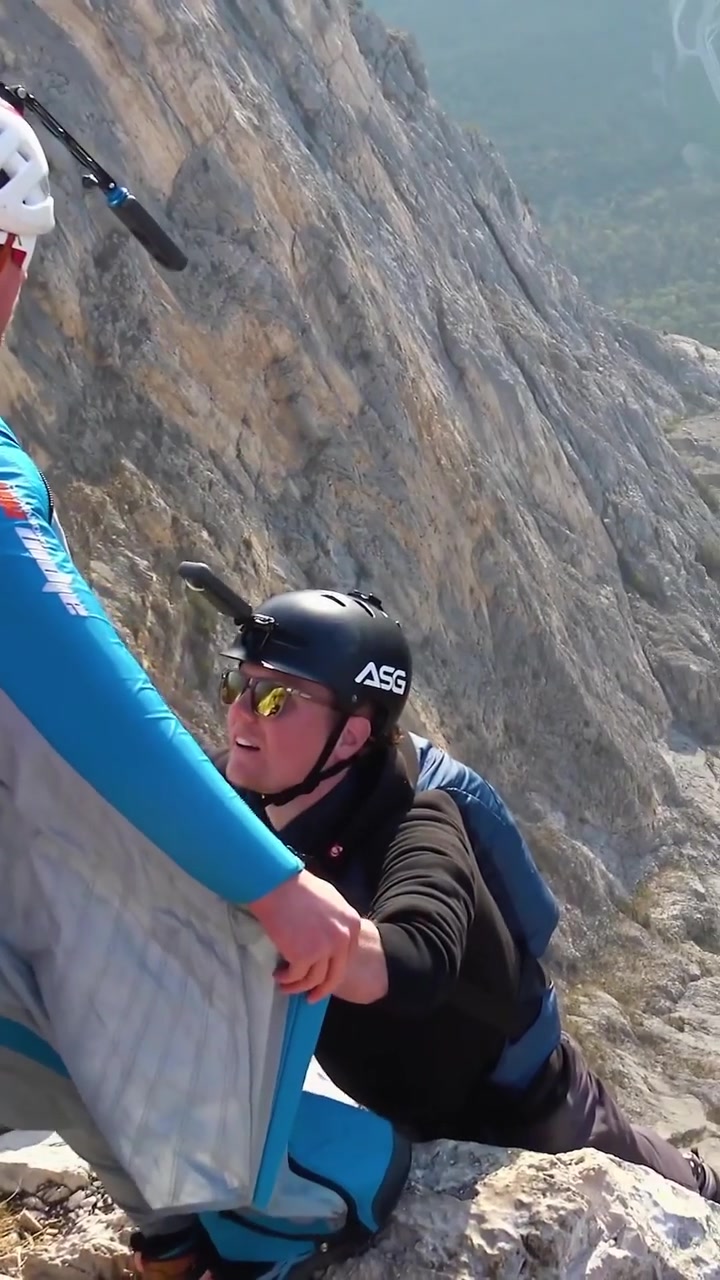
Wingsuit flying is a high-adrenaline pursuit that comes close to its promise. Excitement, not fear. The wind rushes screaming around you and the terrain flies by, so close that even the slightest mistake could lead to catastrophe. The video shows two people experiencing this headfirst, flying over a rocky, mountainous landscape.
The Sport of Wingsuit Flying
Wingsuit flying is an extreme sport used equipment called a wingsuit. A wingsuit is a jumpsuit that has fabric wings that connect the wearer’s arms to their legs, creating an aerodynamic surface. When skydiving from altitudes of at least 13,000 feet, the wingsuit allows the jumper to glide and maneuver through the air. Wingsuit flying is not without risks, which require competitive speed and precision. ASG wingsuits, the brand featured in this video, are known for their advanced designs and the safety they prioritize. Wingsuit flying combines the thrill of skydiving with the precision and maneuverability of gliding flight. The wingsuit's design increases the surface area of the jumper, allowing for longer flights and controlled descent. The sport demands exceptional mental and physical prowess, given the high speeds at which jumps occur — up to 200 mph. This isn't skimming the surface of a lake in a pontoon, but precisely navigating air currents close to walls and through gaps in the terrain. Wingsuit flight typically ends with a parachute deployment for a safe landing. It’s a blend of helicopter flight mechanics with gravity. This ability to navigate the air in wingsuit flying is a delicate balance, requiring a nuanced understanding of the body's movement and the aerodynamic forces at play. While the video shows two people, Wingsuit flying is typically a solitary sport. However, powerful wingsuiters might support each other in tandem flights.
Thrill and Fear are two sides of the same coin
Wingsuit flying represents the cutting-edge of extreme sports, pushing the boundaries of human capability. It’s a sport that has evolved significantly over the past few decades, thanks to advances in materials science, aerodynamics, and training techniques. There's hardly a sports equipment with so many degrees of freedom that the consequences of a mistake can be fatal. Wingsuit flying is also a sport with a history of innovation and daring feats. Some pilots have even flown underneath a bridge or through cliffs, highlighting the sport's unique combination of danger and precision. The technical aspects of Wingsuit flying also make it one of the most competitive sports. Competitions are on both the survival and performance side. Innovative skydiving techniques have been developed, including formations of wingsuit flying and wingsuit proximity flying — the sport of flying as close to the terrain as possible.
The Body and Mind of Wingsuit Flying
Wingsuit flying can be thought of as performing a choreographed routine in midair, with every movement deliberately controlled. Pilots must maintain a specific body position to achieve the desired flight path. In this way, this sport emphasizes the relationship between the human body and the physical environment, turning the earth into a dance floor, providing the navigator and performer both with a challenge and a reward. This kind of precision is essential in wingsuit flying, where even a slight miscalculation can lead to a collision with the ground. Most importantly, the pilot must have the hands of a surgeon: the slightest movement in the right or left wing of the wingsuit will cause the speed at which the body moves forward.
That Moment of Truth
The moment of truth in wingsuit flying is the departure from the aircraft. Pilots usually depart from altitudes of 20,000 feet, which means they have a jumbo jet under their feet. In case of technical issues at the takeoff, failing to open the parachute would be fatal. This is where nerves of steel and mental toughness are required. In the video, the countdown "Three, Two, one, race" could be the takeoff, although the video cuts out the origin of the flight. However, this moment of truth encapsulates the whole thrill of wingsuit flying. the video shows the wingsuits deployed, and they appear to be navigating the terrain. No doubt the attentive reader is left pondering: what is the feeling of such an experience? Is it like seeing the stars for the first time? The sense of flying above the terrain can be compared to flying a plane, although wingsuit flying involves a greater degree of risk. This thrill of wingsuit flying stems from the sport's inherent risks, particularly the fact that any mistake in the air could prove fatal. However, unlike other extreme sports, you’re not fighting against the wind, or against gravity, but with them. A wingsuiter can only trust the skies.
The Greatest Risks
Wingsuit flying is one of the deadliest sports on the planet. The pilot needs to stay within a narrow range of speeds and altitudes to avoid either stalling or accelerating too fast. There is a clear reason for that: wingsuits are not like parachutes. When the parachute fails to open, a skydiver doesn't need to worry—he or she can use a parachute redundancy to save himself. However, a wingsuiter can't deploy the parachute in a wingsuit malfunction because they have to pull with both hands. The risks are always present, and they are severe. Wingsuit flying is not a sport for everyone. Even the most experienced skydivers may find this sport difficult to handle.
Metrics to try Wingsuit Skydiving
Before you decide to jump, it's important to know how to choose the right wingsuit. Pick a beginner model: Wingsuits are designed with varying levels of performance and stability. Beginner models prioritize stability and ease of control, making them ideal for newcomers. Seek professional instruction: Before you even think about jumping, take a course from a certified wingsuit instructor. This will provide you with the necessary skills and knowledge to safely navigate the skies. Choose the right location and conditions: Selecting the right drop zone and weather conditions can greatly improve your overall experience. Calm weather conditions and a drop zone with plenty of clear space are ideal for beginners. Follow safety guidelines: Always adhere to safety guidelines, including wearing appropriate safety equipment and conducting proper pre-jump inspections. Practice regularly: Like any other sport, regular practice is essential for improving your skills and becoming more comfortable in the air. In addition to proper equipment and training, while wingsuit flying is a thrilling sport, it’s crucial to prioritize safety. Always check the weather conditions, ensure your equipment is in good working order, and stay within your skill level. Choose the right place to land. The video shows a rocky, mountainous landscape — a setting that is often chosen by wingsuiters, because it is the place where the flight, the air currents, and the proximity to the terrain are more intense. The last impression to have will always be the jump. Wingsuit flying is not just a sport; it's an experience that pushes the limits of human capability and offers an unparalleled sense of freedom and exhilaration. It is often said that in wingsuit flying, you are no longer a spectator of nature — you become part of it.
Watch the Reel
Questions readers ask
What exactly is a wingsuit and how does it enable wingsuit flying?
A wingsuit is a specialized jumpsuit equipped with fabric wings that extend from the arms to the legs, creating an aerodynamic surface. This design allows the jumper to glide and maneuver through the air during a skydive, effectively turning the body into a controlled flight vehicle. It increases the surface area, enabling longer flights and controlled descents, but it requires high skill and precision.
How high do you need to jump to go wingsuit flying?
Wingsuit jumps typically start from altitudes of at least 13,000 feet. This height provides enough time and space for the wingsuit flyer to glide and maneuver before deploying their parachute for a safe landing. The higher altitude allows for the thrill of high-speed flight and the precision required to navigate the terrain.
What makes ASG wingsuits stand out from other brands?
ASG wingsuits are recognized for their advanced designs and emphasis on safety. The brand incorporates innovative features to enhance the flying experience and ensure that the wingsuiters can perform high-speed maneuvers with confidence. These features make ASG a preferred choice for many wingsuit enthusiasts.
Is wingsuit flying always a solo activity, or can it be done in groups?
While wingsuit flying is typically a solitary sport due to the precision and concentration required, experienced wingsuiters can sometimes perform tandem flights. These flights involve two wingsuiters working together, which adds an extra layer of complexity and coordination.
How does wingsuit flying blend elements of skydiving and gliding?
Wingsuit flying combines the thrill of skydiving with the precision of gliding flight. The wingsuit allows the jumper to glide and maneuver through the air, experiencing high speeds and close proximity to the terrain. This blend requires exceptional mental and physical skills, as well as a nuanced understanding of aerodynamic forces and body movement.
Related deep dives
Similar reads based on topic and creator.

Recent articles
Fresh deep dives from the latest Reels we unpacked.



Comments
Be the first to comment.