The Relentless Fury of Wildfires
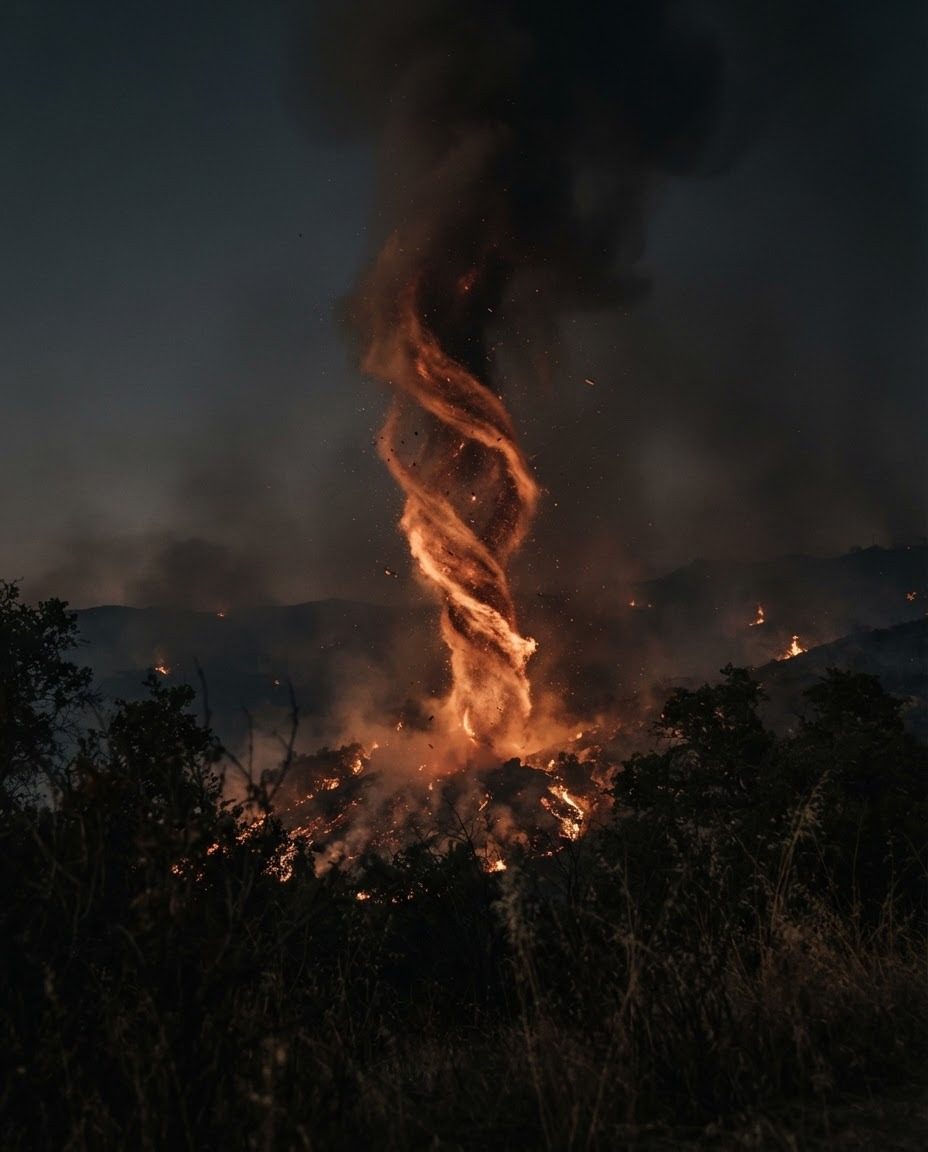
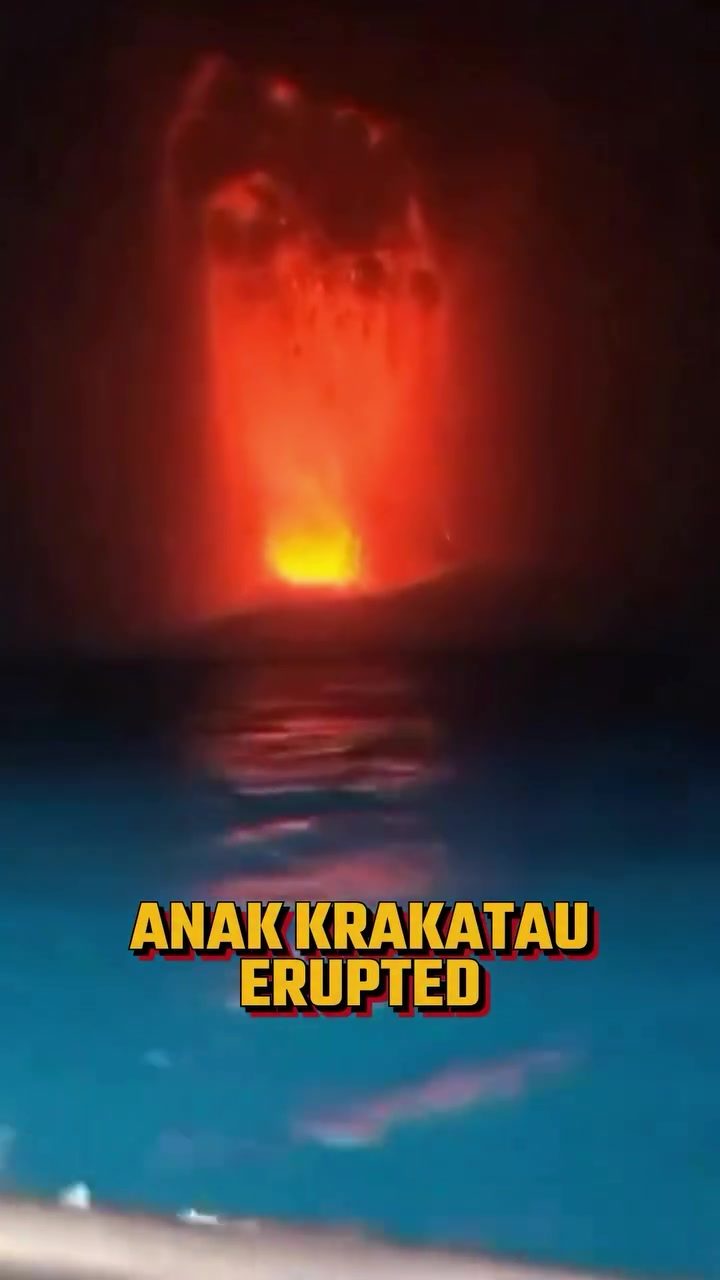
Each year, wildfires rage across the globe, incinerating vast expanses of wilderness. These fires leave behind landscapes blackened by destruction. The night sky is no longer visible as it is filled with a large pillar of rising fire and smoke. The flames dance uncontrollably across the terrain, consuming everything in their path. The wildfires can last for days or even weeks, terrifying communities and ecosystems alike. Wildfires wreak havoc on natural ecosystems, decimating habitats and obliterating wildlife. Trees, shrubs, and other vegetation are consumed, leaving behind charred remains. Wildlife displaced or perishing during the flames. Post-fire landscapes are a stark reminder that the destruction wildfires unleash is not just a single event. The aftermath involves a slow recovery. Scorched earth must wait for rain and new growth. The long-term impact on soil health and nutrient cycles will take many years.
The Cyclical Nature of Wildfire Destruction
Wildfires feed on more than just dry vegetation; they thrive on a combination of heat, wind, and fuel like dead leaves and trees. The destructive potential of a wildfire intensifies with every passing year. When severe droughts dry out vegetation, the combustible materials stack up like fuel on a massive bonfire. This phenomenon is seen year after year. These conditions create a perfect storm for wildfires, making them larger, faster, and more devastating. The sight of flames licking the underbrush and racing up trees is a terrifying sight. Flaming trees fall and a column of smoke and fire rising into the sky cherish. Every piece of the ecosystem impacts the destruction. Wildfires can outrun firefighters and outlast the most determined emergency services. The reason is often because the fire's unpredictability and ferocity.
The Race Against Time
Ultimately, wildfires are a part of the natural cycle of many ecosystems. As firefighters battle flames, it is also a race against time. Fire spreads quickly and there are limits to what can be done to contain it. The flames must burn through all available fuel before they can be extinguished. Dry conditions and windy weather can turn a small blaze into a raging inferno in a matter of hours. Residents near wildfire-prone areas must be prepared to evacuate at a moment’s notice. The changing climate only exacerbates the situation, with longer, hotter, and drier summer seasons adding to the destructive potential of wildfires.
Watch the Reel
Related deep dives
Similar reads based on topic and creator.

Recent articles
Fresh deep dives from the latest Reels we unpacked.

Comments
Be the first to comment.