Exploring the Cognitive Abilities of Wild Capuchin Monkeys in Costa Rica
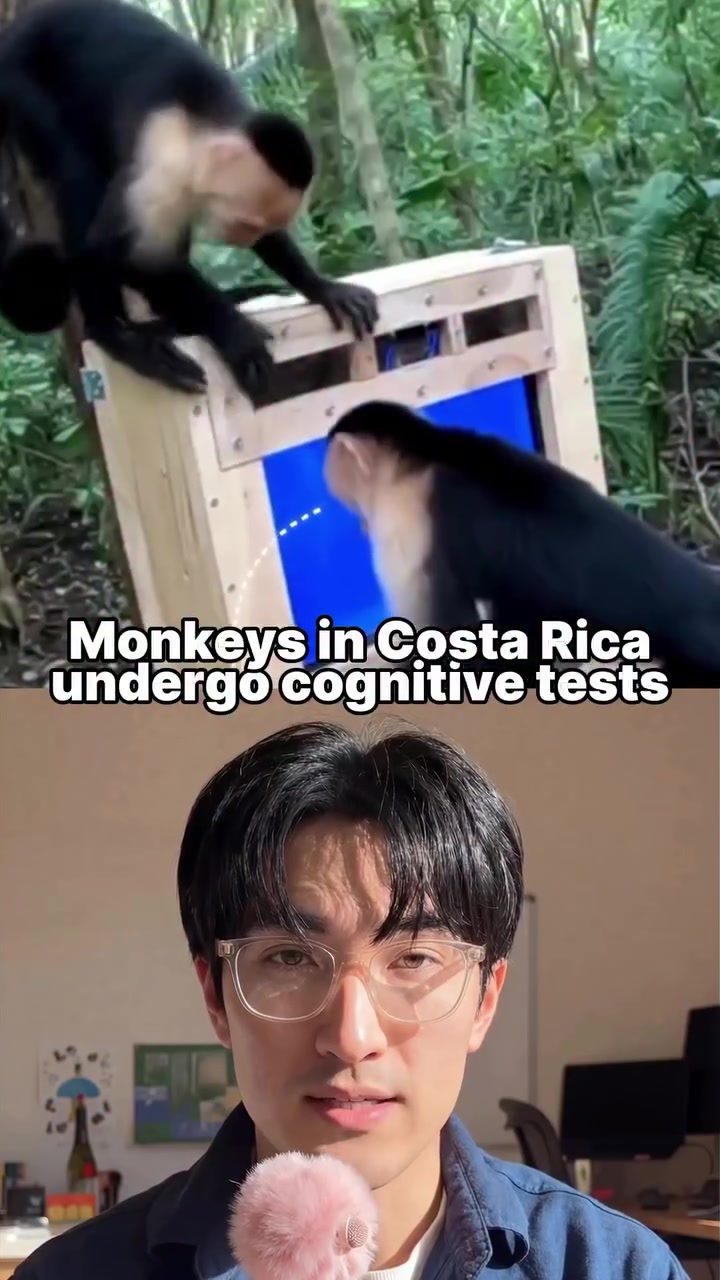
Wild capuchin monkeys in Costa Rica are engaging in cognitive tests in the heart of the jungle, providing researchers with valuable insights into their problem-solving skills and memory. Researchers from Emory University set up a portable touchscreen station in a tropical forest, equipped with a 15-inch screen, a webcam, and a 3D-printed food dispenser. This innovative setup allows scientists to observe how these monkeys interact with the technology and reward them with dried banana slices.
Why This Matters
Understanding the cognitive abilities of wild animals is crucial for several reasons. It helps us comprehend their survival strategies, social structures, and adaptive behaviors. By studying capuchin monkeys, researchers can gain insights into broader patterns of primate intelligence and behavior, which can inform conservation efforts and our understanding of human evolution. Additionally, observing how these monkeys interact with technology provides a unique glimpse into their problem-solving capabilities and learning processes in a natural setting.
The Setup and Initial Challenges
The portable station was designed to be non-intrusive and durable, capable of withstanding the harsh jungle environment. The AI facial recognition system detects when a capuchin monkey approaches and initiates the test. The first challenge for the monkeys is simple: touch the screen to receive a slice of dried banana. This initial task is designed to familiarize the monkeys with the equipment and encourage them to interact with it.
Initially, the monkeys were hesitant to engage with the touchscreen. For several days, nothing happened, and the researchers wondered if the monkeys would ever figure out the task. However, eventually, one curious capuchin approached the box, and its fingers landed on the screen. This small but significant interaction marked the beginning of a series of cognitive tests.
Testing Capuchin Monkeys' Cognitive Skills
Over time, 16 capuchins interacted with the touchscreen, and 10 of them figured out the task. Remarkably, at least 8 of these monkeys remembered the task in later sessions, demonstrating their ability to retain information and recall it when needed. This memory retention is a crucial aspect of their cognitive skills and indicates their capacity to learn and adapt to new stimuli in their environment.
Interestingly, one monkey had a different approach. Instead of touching the screen, it climbed on top of the box and repeatedly slapped it. This behavior highlights the individual differences in problem-solving strategies among the capuchins and the diverse ways they interact with their environment.
Upgrading the AI for Deeper Insights
This summer, the researchers plan to upgrade the AI system to recognize individual monkeys with over 97% accuracy. This enhancement will allow scientists to track each monkey's progress over time, providing a more detailed understanding of their cognitive development and problem-solving skills. By recognizing individual monkeys, the researchers can ensure that each animal picks up where it left off, maintaining continuity in their learning process.
This upgrade is particularly exciting because it will enable scientists to explore the link between intelligence and survival in the wild. By observing how smarter monkeys fare in their natural habitat, researchers can determine whether higher cognitive abilities contribute to better survival rates and overall fitness.
Practical Tips for Conducting Cognitive Tests with Wild Animals
Conducting cognitive tests with wild animals requires careful planning and consideration of various factors. Here are some practical tips to ensure successful and ethical research:
-
Non-Intrusive Equipment: Use durable, non-intrusive equipment that can withstand the natural environment and blend seamlessly into the habitat. This ensures that the animals' behavior is not influenced by the presence of the equipment.
-
Reward Systems: Implement a reward system that is appealing and motivating for the animals. In this case, dried banana slices proved to be an effective reward for the capuchin monkeys, encouraging them to interact with the touchscreen.
-
Gradual Introduction: Introduce the tasks gradually, starting with simple challenges and gradually increasing the complexity. This approach allows the animals to familiarize themselves with the equipment and build their confidence.
-
Long-Term Monitoring: Track individual animals over time to observe their progress and development. This provides a more comprehensive understanding of their cognitive abilities and learning processes.
-
Ethical Considerations: Prioritize the welfare of the animals and ensure that the research does not cause them harm or distress. Always obtain necessary permits and follow ethical guidelines for conducting animal research.
Important Takeaways
The cognitive tests conducted with wild capuchin monkeys in Costa Rica offer several important takeaways:
-
Adaptability: Capuchin monkeys demonstrate remarkable adaptability and problem-solving skills, even in a natural setting. They quickly learn to interact with new technology and retain information for future use.
-
Individual Differences: There are significant individual differences in how monkeys approach and solve problems. Some may take a more direct approach, while others may experiment with different strategies.
-
Memory Retention: These monkeys show strong memory retention, recalling tasks and interactions from previous sessions. This ability is crucial for their survival and adaptation in the wild.
-
Technology and Research: Advanced technology, such as AI facial recognition, plays a pivotal role in studying animal cognition. It allows researchers to track individual animals and gain deeper insights into their cognitive development.
-
Natural Environment: Conducting cognitive tests in a natural environment provides a more accurate representation of the animals' behavior and problem-solving skills. It eliminates the biases and influences that may occur in a controlled laboratory setting.
The Future of Animal Cognition Research
As researchers continue to upgrade their methods and technology, the future of animal cognition research looks promising. The ability to track individual monkeys and observe their cognitive development over time will provide valuable insights into their problem-solving skills, memory, and overall intelligence. This knowledge can inform conservation efforts, help us understand human evolution, and contribute to our broader understanding of animal behavior.
Conclusion
The cognitive tests conducted with wild capuchin monkeys in Costa Rica shed light on their remarkable problem-solving skills, memory retention, and adaptability. By using a portable touchscreen station equipped with AI facial recognition, researchers can observe these animals in their natural habitat and gain valuable insights into their cognitive abilities.
This research not only enhances our understanding of primate intelligence but also highlights the importance of advanced technology in studying animal behavior. As the field continues to evolve, we can expect more groundbreaking discoveries that will deepen our appreciation for the cognitive capabilities of wild animals.
Watch the Reel
Questions readers ask
How do researchers test the cognitive skills of wild capuchin monkeys in Costa Rica?
The researchers use a portable touchscreen station equipped with a 15-inch screen, a webcam, and a 3D-printed food dispenser. This setup is placed in the jungle to study the monkeys' problem-solving skills and memory as they interact with the technology.
What do the wild capuchin monkeys receive as a reward during these tests?
The monkeys are rewarded with dried banana slices when they successfully complete the tasks on the touchscreen. This encourages them to engage with the tests and allows researchers to gather data on their cognitive abilities.
Who is conducting the research on the cognitive skills of these monkeys?
The research is being conducted by scientists from Emory University. They have set up a unique testing environment in the tropical forest to observe the monkeys' interactions with the touchscreen technology.
What specific cognitive abilities are the researchers studying in these monkeys?
The researchers are primarily studying the monkeys' problem-solving skills and memory. By observing how the monkeys interact with the touchscreen tasks, scientists can gain insights into their cognitive processes and survival strategies.
What is the significance of studying the cognitive skills of wild capuchin monkeys?
Understanding the cognitive skills of these monkeys helps researchers comprehend their survival strategies, social structures, and adaptive behaviors. This knowledge can contribute to a broader understanding of primate intelligence and its role in their natural habitats.
How does the touchscreen technology help in studying the cognitive abilities of these monkeys?
The touchscreen technology allows researchers to present various tasks and challenges to the monkeys. By analyzing their interactions with these tasks, scientists can measure their problem-solving abilities, memory retention, and other cognitive functions in a natural setting.
Related deep dives
Similar reads based on topic and creator.

Recent articles
Fresh deep dives from the latest Reels we unpacked.




Comments
Be the first to comment.