The Art of Structural Engineering: Lessons from a Classroom Challenge
Building a tower from wooden sticks and rubber bands might seem like a simple task, but it's a common structural engineering challenge that reveals complex principles. This hands-on activity is often used in classrooms to teach students about the intricacies of structural design and the importance of iterative testing. Here, we delve into the fascinating world of structural engineering through the lens of a classroom challenge and the surprising results that emerged.
Why This Matters
Structural engineering principles underpin the design and construction of buildings, bridges, and other infrastructure. Understanding these principles is crucial for creating stable, safe, and efficient structures. This challenge, where students build towers from simple materials, offers a tangible way to explore these concepts. It highlights the importance of design, material selection, and testing in engineering.
The Challenge: Building a Tower
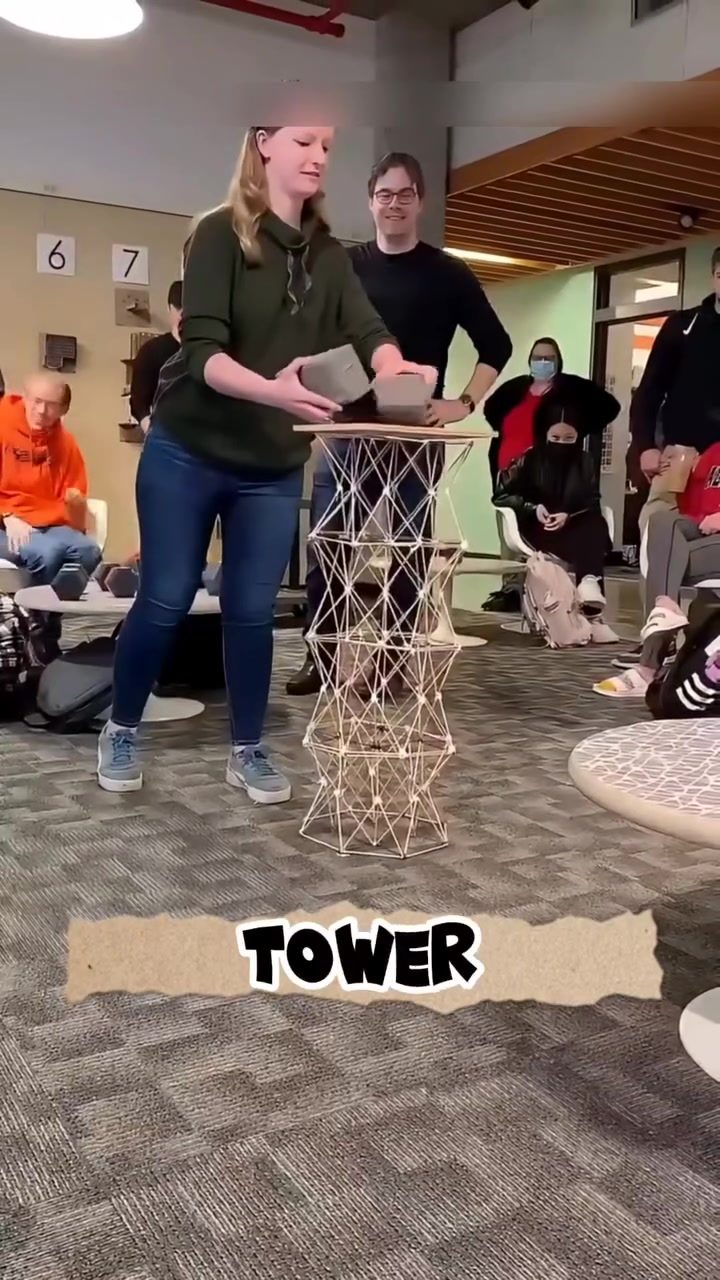
The challenge begins with a straightforward goal: build a tower from wooden sticks and rubber bands that can support a dumbbell. If the tower can hold the weight, the entire class passes their final exam. However, the simplicity of the task is deceptive. The students quickly realize that creating a structurally sound tower is far from easy.
Initial Designs and Failures
Many students initially opt for square structures, believing that using plenty of materials will ensure stability. However, these designs often buckle under pressure. Square structures, while stable in some configurations, can be prone to buckling when subjected to significant loads. The students learn that square structures face more complex stress distributions, leading to early failures.
Others attempt to use strong triangular supports, relying on the inherent stability of triangles. Despite this, their structures still collapse when the dumbbell is placed on top. The reason lies in the distribution of weight and the overall design of the structure. While triangles are stable, the placement and distribution of these supports can affect the structure's ability to bear loads uniformly.
The Surprising Success
Just when it seems like the class is doomed to failure, a unique design emerges. A woven tower with no obvious base surprises everyone by holding not just one, but multiple dumbbells without moving an inch. This structure exemplifies the principles of tensile strength and distributed weight. The woven pattern allows for a more even distribution of stress, preventing any single point from bearing too much weight.
This success underscores the idea that engineering solutions often come from unconventional designs and iterative testing. The students' initial failures provided valuable lessons, guiding them toward a more effective solution.
Practical Tips for Structural Engineering
The classroom challenge offers several practical tips that can be applied to real-world structural engineering:
-
Iterative Testing: Engineering isn't about getting it right on the first try. Iterative testing and learning from failures are essential. Each failure brings new insights that can lead to better designs.
-
Material Selection: The choice of materials is critical. In this case, wooden sticks and rubber bands are simple, but their properties—such as tensile strength and flexibility—play a significant role in the structure's stability.
-
Design Innovation: Conventional designs may not always be the best. Sometimes, thinking outside the box and experimenting with unconventional designs can lead to breakthroughs. The woven tower is a testament to this.
-
Weight Distribution: Understanding how weight is distributed throughout a structure is crucial. Even the most robust materials can fail if the weight is not evenly distributed.
-
Structural Stability: Different shapes and configurations have varying levels of stability. While triangles are generally stable, the overall design and configuration matter. Square structures, for instance, can be less stable under certain conditions.
Important Takeaways
The challenge demonstrates several key takeaways about structural engineering:
-
Failure is a Stepping Stone: Every failure in the classroom challenge led to a deeper understanding of structural principles. This iterative process is fundamental to engineering, where learning from mistakes is as important as achieving success.
-
Unconventional Designs Can Succeed: The woven tower, with its unique design, illustrated that unconventional methods can sometimes outperform traditional ones.
-
Testing and Improvement: Engineering is not about perfecting a design on paper but through continuous testing and improvement. This hands-on approach is invaluable in real-world applications.
Conclusion
The structural engineering challenge involving wooden sticks and rubber bands is more than just a classroom activity; it's a microcosm of the broader principles that govern the design and construction of buildings. It teaches students the importance of material selection, design innovation, and iterative testing.
By engaging in this hands-on activity, students gain a deeper understanding of structural engineering principles. They learn that success in engineering often comes from failure and that unconventional designs can lead to breakthroughs. Whether in a classroom or a professional setting, the principles learned in this challenge are invaluable for anyone interested in structural engineering.
Watch the Reel
Questions readers ask
What is the dumbbell tower challenge?
The dumbbell tower challenge is a hands-on activity where participants build towers using wooden sticks and rubber bands, aiming to support a significant amount of weight, often measured by how many dumbbells the tower can hold. This challenge is a practical application of structural engineering principles.
Why are wooden sticks and rubber bands used in this challenge?
Wooden sticks and rubber bands are used due to their accessibility and ability to mimic real-world engineering materials. Wooden sticks provide structural strength, while rubber bands offer flexibility and stability, teaching students about material selection and structural design.
How does this challenge relate to real-world engineering projects?
This challenge mirrors real-world structural engineering by requiring participants to understand and apply principles such as load distribution, stability, and material properties. It also emphasizes the iterative process of engineering, where designs are repeatedly tested and refined.
What is the iterative process of engineering in this context?
The iterative process in this challenge involves building, testing, and modifying the tower design. After each test, participants analyze the results and make improvements, such as changing the tower's shape or the placement of rubber bands, to enhance its strength and stability.
What principles of structural engineering are tested in this challenge?
Key principles include understanding load distribution, tension and compression forces, and the importance of stability. Students learn how different designs and material arrangements affect the tower's ability to support weight and remain standing under pressure.
How does this challenge help students understand engineering material selection?
By working with wooden sticks and rubber bands, students learn to consider the strengths and weaknesses of different materials. They experiment with various configurations to optimize the tower's performance, gaining practical insights into material selection and structural design.
What are some common strategies for building a strong tower in this challenge?
Common strategies include creating a wide base for stability, using triangular shapes to distribute weight evenly, and strategically placing rubber bands to provide additional support and tension. Students often experiment with different designs to find the most effective configuration.
Related deep dives
Similar reads based on topic and creator.


Recent articles
Fresh deep dives from the latest Reels we unpacked.




Comments
Be the first to comment.